Sahel Jihadist Groups in Flux: JNIM Launches Major Offensives Across Burkina Faso and Neighbors Amid High-Profile Defections to Islamic State Affiliates
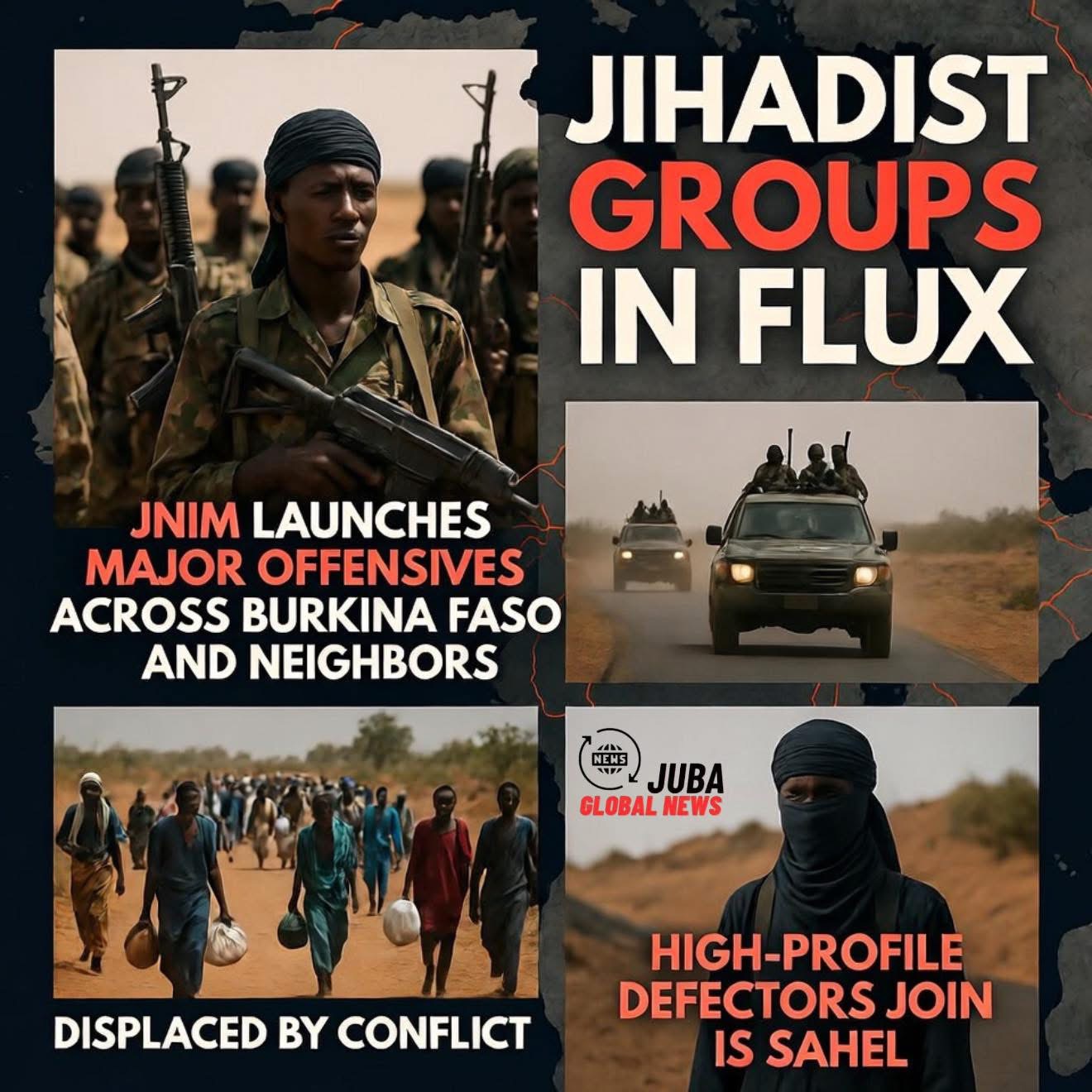
The Sahel region—spanning Mali, Burkina Faso, and Niger—continues to be the epicenter of global jihadist violence in early 2026, with the al-Qaeda-affiliated Jama’at Nusrat al-Islam wal-Muslimin (JNIM) and Islamic State affiliates like the Islamic State Sahel Province (IS Sahel, formerly ISGS) locked in a deadly rivalry while both groups escalate attacks against state forces and civilians. As of March 13, 2026, JNIM has intensified major offensives across Burkina Faso and into neighboring states, capitalizing on recent high-profile defections from its ranks to IS affiliates, which have triggered widespread crackdowns by military juntas and further destabilized an already fragile security landscape.
This dynamic reflects a broader flux in jihadist alliances: internal schisms, resource competition, and shifting loyalties are reshaping the insurgency, even as violence surges to record levels. The Sahel now accounts for a disproportionate share of global terrorist fatalities, with Burkina Faso remaining the world’s most terrorism-affected country, followed closely by Mali and Niger.
JNIM’s Escalating Offensives in Burkina Faso
Since mid-February 2026, JNIM has claimed responsibility for a string of large-scale, coordinated assaults primarily in northern and eastern Burkina Faso, marking one of the group’s most aggressive campaigns in recent months. Key incidents include:
- A February 15 attack on a military base in Titao (northwest), where JNIM claimed dozens of soldiers killed.
- Multiple raids across regions, resulting in heavy losses for Burkinabè forces, civilians, and allied militias like the Volunteers for the Defense of the Homeland (VDP).
- Coordinated operations in the East region, including executions of civilians suspected of collaboration and destruction of infrastructure.
These offensives target military outposts, supply lines, and civilian areas to degrade state authority, impose shadow governance, and expand influence. JNIM’s northern corridor serves as a bridge to its Mali-based command, while eastern operations leverage vast border reserves to probe into Niger, Benin, and Togo. Analysts note JNIM has appointed senior leaders in eastern Burkina Faso specifically to drive expansion southward toward coastal West Africa.
The group’s tactics have evolved: increased use of drones, IEDs, rocket attacks, and complex ambushes highlight growing sophistication amid reduced foreign counterterrorism support (e.g., post-French withdrawal and limited Wagner/Africa Corps effectiveness).
Rivalry with Islamic State Affiliates and Defections
The JNIM-IS Sahel rivalry—ongoing since 2019—has flared anew, with clashes in border zones like the tri-state area (Mali-Burkina Faso-Niger). Recent high-profile defections from JNIM to IS Sahel have weakened JNIM in pockets but sparked aggressive responses:
- Defectors, including fighters disillusioned with leadership or lured by rival incentives, have shifted allegiances, particularly in contested areas like Menaka (Mali) and eastern Burkina Faso.
- These defections prompted JNIM crackdowns—targeted killings, purges, and intensified operations to reclaim lost influence—while IS Sahel exploits the chaos for recruitment and raids.
Despite inter-jihadist fighting (e.g., clashes in Seno province and Gao region killing dozens), both groups prioritize state forces and civilians. JNIM dominates Mali and much of Burkina Faso; IS Sahel holds strongholds in northern Burkina Faso and western Niger. The rivalry fragments resources but sustains high violence levels, with mutual accusations of betrayal fueling cycles of retaliation.
Crackdowns and Regional Instability
Military juntas in Burkina Faso, Mali, and Niger—facing legitimacy crises—have responded with harsh crackdowns: airstrikes, mass detentions, and militia operations often resulting in civilian casualties and abuses. In Burkina Faso, operations against suspected collaborators have escalated amid JNIM advances.
The flux exacerbates humanitarian disasters: millions displaced, food insecurity worsening, and aid access restricted. Expansion threatens coastal states like Benin and Togo, where JNIM raids on border posts signal southward momentum.
Broader Implications
The Sahel’s jihadist landscape remains fluid: JNIM’s offensives demonstrate resilience despite defections, while IS affiliates gain from shifts. Reduced Western involvement and reliance on Russian mercenaries have created vacuums for exploitation. Without addressing root causes—marginalization, ethnic tensions, weak governance—the insurgency risks enveloping more of West Africa.
As March 2026 progresses, monitoring from ACLED, Critical Threats Project, Crisis Group, and others highlights the urgent need for regional cooperation and inclusive strategies to stem the tide. The situation evolves rapidly amid ongoing offensives and shifting alliances.