

Peace Agreement Day in South Sudan: Reflecting on 21 Years Since the Historic Accord
On January 9, 2026 , South Sudan marks Peace Agreement Day , an observance commemorating the signing of the Comprehensive Peace Agreement (CPA) on January

On January 9, 2026, South Sudan marks Peace Agreement Day, an observance commemorating the signing of the Comprehensive Peace Agreement (CPA) on January 9, 2005. This day, also known as Comprehensive Peace Agreement Day, is listed as an official observance in the nation’s calendar, though it is typically a working day. It serves as a moment for reflection on a pivotal chapter in the country’s history—one that ended decades of devastating conflict and laid the foundation for independence.
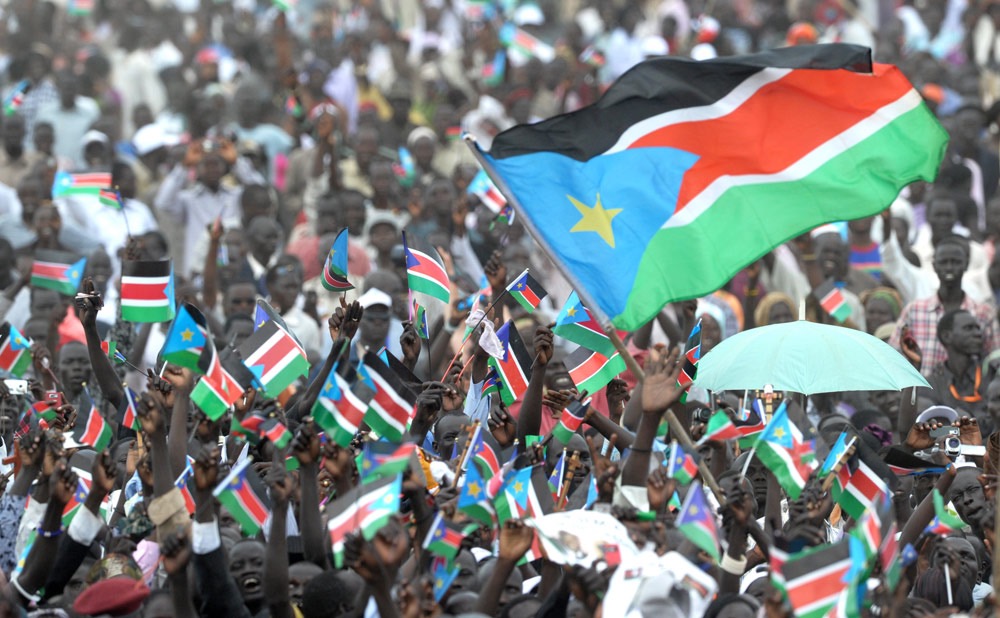
The signing of the CPA in Naivasha, Kenya, brought together key figures: Dr. John Garang de Mabior, leader of the Sudan People’s Liberation Movement/Army (SPLM/A), and representatives from the Government of Sudan.
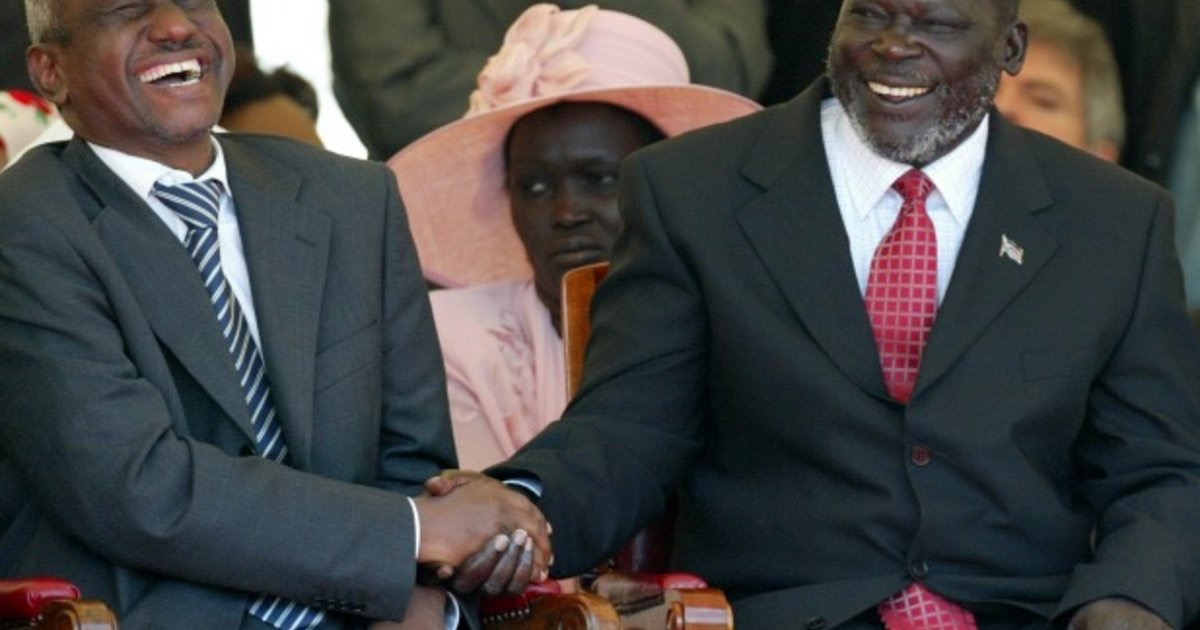
Dr. John Garang, a visionary leader whose efforts were central to the southern Sudanese struggle, tragically passed away in a helicopter crash just months after the agreement.
The Historical Context: A Long Road to Peace
The CPA ended the Second Sudanese Civil War (1983–2005), one of the longest and deadliest conflicts in African history. This war was a continuation of earlier strife, rooted in marginalization, resource disputes, religious and cultural differences, and unequal power sharing between the north and south of the former unified Sudan.
The conflict claimed over 2 million lives, displaced millions, and devastated infrastructure. Mediated by the Intergovernmental Authority on Development (IGAD), with support from international partners including the United States, United Kingdom, and Norway, the CPA incorporated protocols on power-sharing, wealth-sharing (particularly oil revenues), security arrangements, and the contentious regions of Abyei, Southern Kordofan, and Blue Nile.
Key provisions included:
- A six-year interim period with autonomy for southern Sudan.
- Equitable distribution of oil revenues.
- The application of Sharia law limited to the north.
- A referendum on self-determination for the south.
The agreement was hailed globally as a breakthrough, offering hope for unity or peaceful separation.
Path to Independence and Beyond
Tragically, Dr. Garang’s death in July 2005 created uncertainty, but his successor, Salva Kiir Mayardit, steered the process forward. The interim period saw the establishment of the Government of Southern Sudan.
In January 2011, the promised referendum overwhelmingly favored independence (98.83% voted for secession). On July 9, 2011, South Sudan became the world’s newest nation, greeted with jubilation in Juba and international recognition.
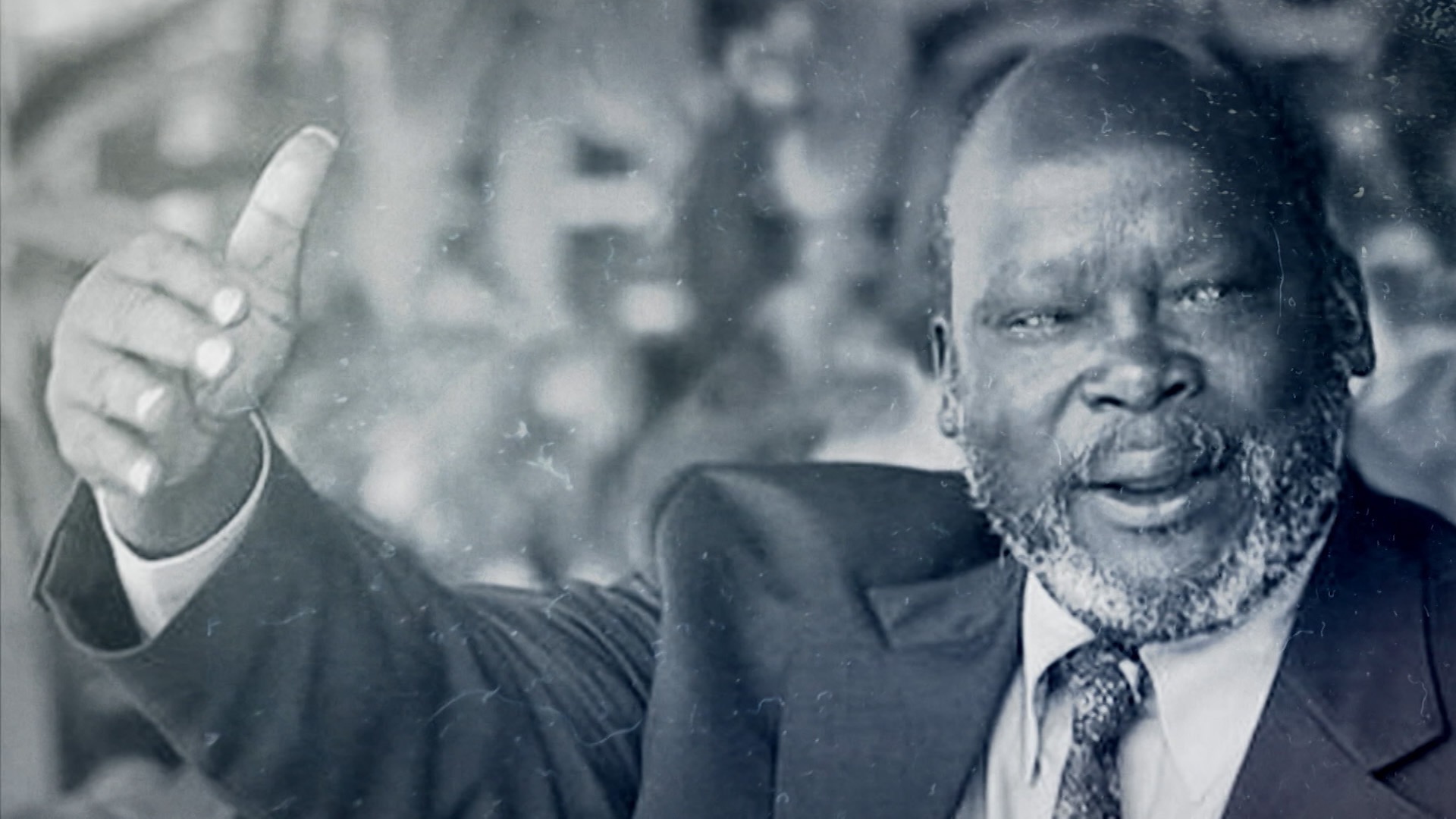
Crowds in Juba and across the region celebrated the birth of the Republic of South Sudan.
However, independence brought new challenges. In 2013, political tensions erupted into civil war, leading to the 2018 Revitalized Agreement on the Resolution of the Conflict in South Sudan (R-ARCSS). The transitional period has been extended multiple times, with elections now scheduled for December 2026 amid ongoing efforts to unify forces, draft a permanent constitution, and foster reconciliation.
The Significance of Peace Agreement Day Today
In 2026, this observance coincides with broader reflections on peace in the region. While South Sudan continues its journey toward stable governance and development, the CPA’s legacy endures as a testament to dialogue over division.
Juba, the vibrant capital, symbolizes resilience amid challenges.
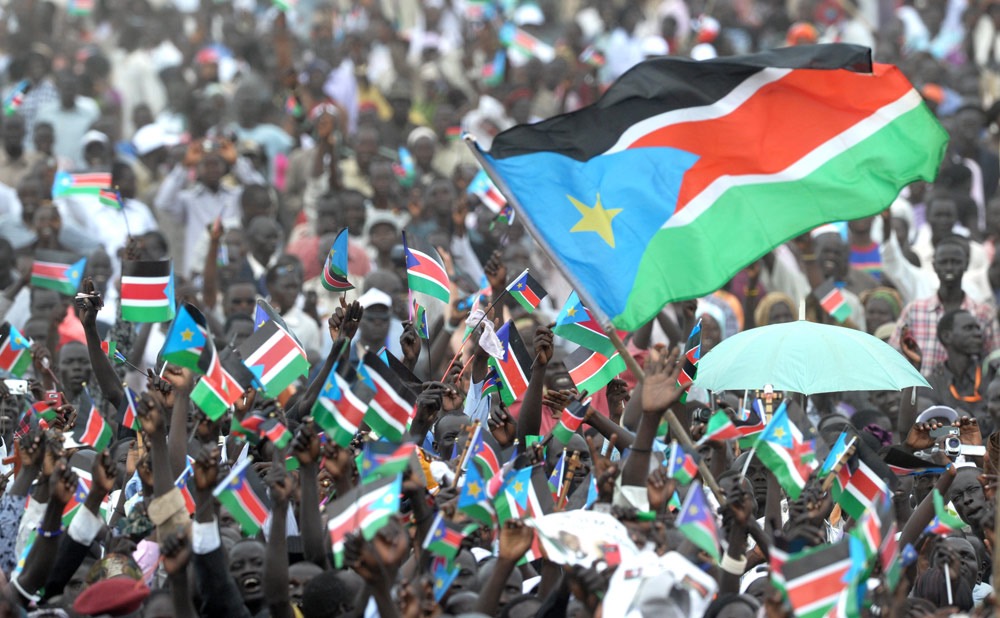
On this day, South Sudanese at home and in the diaspora pause to honor the sacrifices made for peace, remember leaders like John Garang, and renew commitments to unity, justice, and prosperity.
As the nation approaches potential landmark elections in 2026, Peace Agreement Day reminds us that enduring peace requires ongoing vigilance, inclusivity, and international support. Let us celebrate the progress achieved since 2005 while aspiring for a future where harmony prevails. 🇸🇸🕊️