

Over 52,000 Indians Evacuated from Middle East as Airspace Reopens Partially Amid US-Israel-Iran War
As the US-Israel-Iran war rages into its second week on March 9, 2026, India has mounted one of its largest-ever civilian repatriation efforts in a conflic
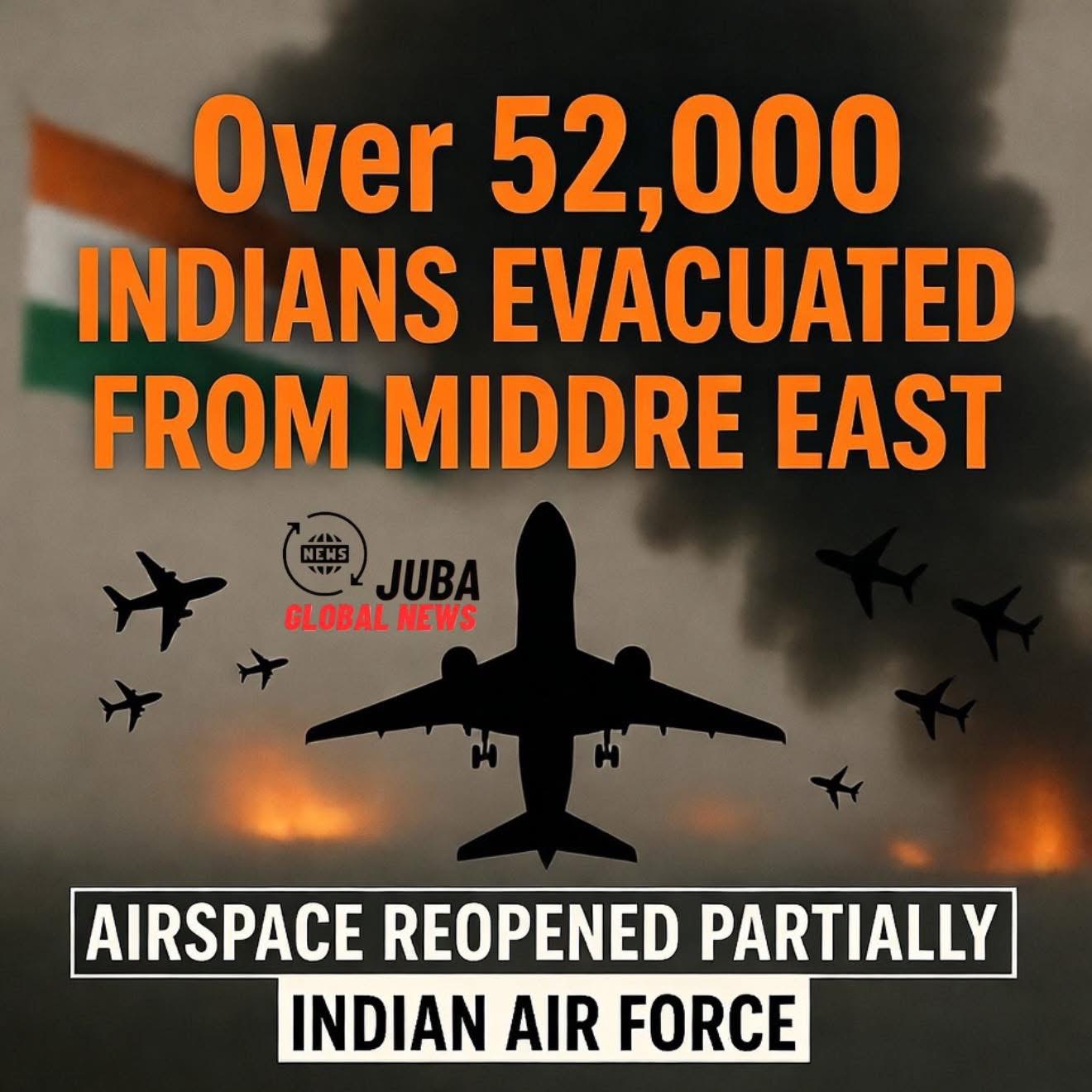
As the US-Israel-Iran war rages into its second week on March 9, 2026, India has mounted one of its largest-ever civilian repatriation efforts in a conflict zone, safely bringing home more than 52,000 nationals from the Gulf region and broader West Asia since the outbreak of hostilities on February 28. The Ministry of External Affairs (MEA) confirmed the figure on March 7–8, highlighting a coordinated push involving commercial airlines, special relief flights, and diplomatic outreach as airspace disruptions, missile threats, and regional instability trapped thousands during transit or short visits.
The massive operation underscores India’s deep stake in Gulf stability: nearly 9–10 million Indian citizens live and work across the Middle East, sending home billions in remittances annually while powering economies in the UAE, Saudi Arabia, Qatar, Kuwait, Oman, and Bahrain. The war—sparked by US-Israeli airstrikes that killed Iran’s Supreme Leader Ayatollah Ali Khamenei and triggered Iranian missile barrages—has closed key air corridors, halted routine flights, and raised acute safety fears for expatriates and travelers alike.
The Scale of the Crisis and India’s Response
The conflict’s immediate fallout included widespread airspace closures across Iran, Iraq, Jordan, Lebanon, and parts of the Gulf, stranding passengers at major hubs like Dubai, Abu Dhabi, Sharjah, Doha, Riyadh, and Jeddah. Thousands of Indians—many on short business trips, medical visits, or family reunions—found themselves unable to return home as airlines canceled or diverted flights amid fears of missile strikes or drone threats.
- MEA Update (March 7–8): More than 52,000 Indians returned safely from the Gulf between March 1 and March 7, with 32,107 traveling on Indian carriers (Air India, IndiGo, Air India Express, SpiceJet) and the rest on foreign airlines. The ministry emphasized that efforts focused on those “stranded during transit or on short duration visits,” while long-term residents were advised to shelter in place unless directly at risk.
- Flight Operations: Indian airlines ramped up schedules, operating dozens of relief and regular flights from “safe” Gulf airports (e.g., Jeddah, Riyadh, Muscat, Ras Al Khaimah, Sharjah, Dubai, Abu Dhabi). On March 8 alone, carriers planned 51–58 flights to repatriate more. Examples include IndiGo special relief flights from Jeddah landing in Ahmedabad with nearly 200 passengers, and Etihad-operated evacuations from Abu Dhabi.
- Rising Numbers: By March 9, External Affairs Minister S. Jaishankar updated the Rajya Sabha that nearly 67,000 Indians had crossed borders to return, reflecting accelerated repatriations over the weekend. The figure includes both commercial returns and targeted evacuations.
The government activated 24/7 control rooms, emergency helplines (+91-11-23012113 for MEA, plus embassy lines), and advisories urging caution. Indian missions in affected countries coordinated with host governments to facilitate departures, while airlines adjusted routes to avoid high-risk zones.
Special Focus: Students and Vulnerable Groups in Iran
Beyond Gulf transit hubs, particular concern centered on Indian nationals directly in Iran and spillover areas:
- Around 3,000 Indian students (many pursuing MBBS degrees) were in Iran at the war’s start, with 1,100–1,200 from Jammu & Kashmir alone. Student associations demanded urgent relocation after strikes near universities like Urmia, prompting the embassy to bus many to safer locations outside Tehran.
- Earlier phases saw small groups evacuated from northern Iran, but large-scale operations remained challenging due to airspace restrictions and ongoing hostilities.
In Lebanon, where Israeli strikes intensified against Hezbollah (Iran’s ally), displacement affected thousands, though no large Indian community evacuations were reported there yet.
Challenges and Broader Context
Evacuating from a multi-front war presents unprecedented hurdles:
- Logistics: Partial airspace reopenings allowed commercial flights, but threats of Iranian retaliation, drone activity, and insurance issues for airlines complicated operations.
- Economic Stakes: India relies heavily on Gulf oil imports and remittances (over $100 billion annually from the region). Disruptions risk higher energy costs and economic strain at home.
- Human Stories: Emotional airport reunions in cities like Ahmedabad, Delhi, and Mumbai highlighted relief for families. Many returnees described nights in shelters, canceled flights, and anxiety over loved ones left behind.
The MEA stressed ongoing monitoring and readiness for escalation. If the war spreads further—potentially closing more routes or hitting Gulf infrastructure—India may activate full-scale contingency plans akin to past operations (Vande Bharat Mission during COVID, Operation Ajay from Israel in 2023, Operation Sindhu in 2025).
For now, the repatriation effort stands as a testament to swift diplomatic and logistical coordination amid chaos. As the conflict shows no immediate signs of abating, with oil prices surging and regional tensions high, India’s priority remains clear: the safety and swift return of every citizen caught in the crossfire.
By: Juba Global News Network | JubaGlobal.com
(Compiled from MEA statements, official updates, media reports, and verified sources as of March 9, 2026. The situation evolves rapidly; check official channels for the latest advisories.)
