

Israel Hits Iranian Oil Sites as Conflict Enters Day 9
On March 9, 2026—marking the ninth full day of the US-Israel-Iran war —Israeli Air Force jets conducted some of the most aggressive and sustained strikes y
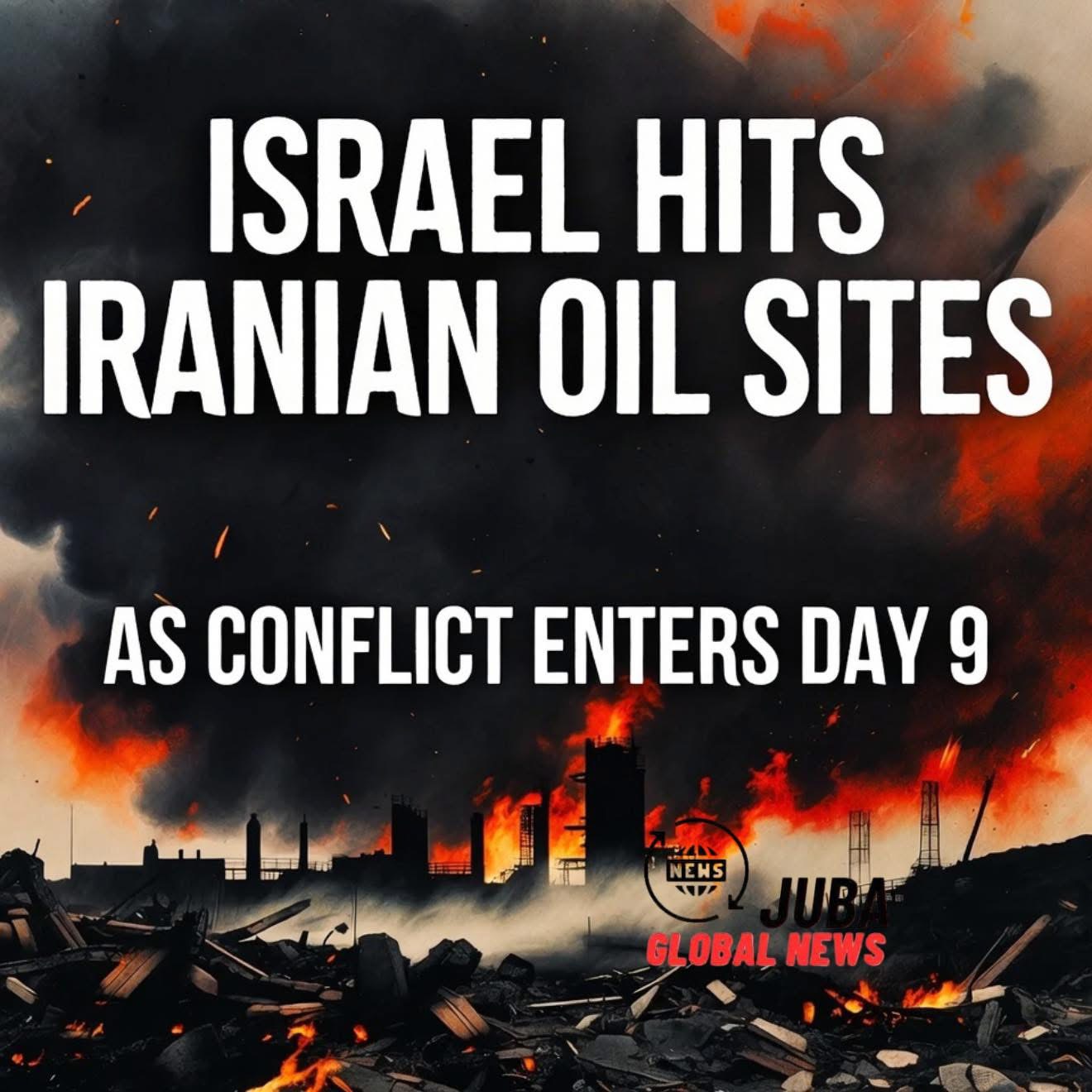
On March 9, 2026—marking the ninth full day of the US-Israel-Iran war—Israeli Air Force jets conducted some of the most aggressive and sustained strikes yet against Iran’s energy infrastructure, targeting major oil refineries, storage depots, export terminals, and associated pipeline networks. The attacks, part of a broader campaign to degrade Iran’s war-fighting capacity and economic resilience, have ignited massive fires visible from satellite imagery and sent plumes of black smoke billowing over western and southern Iran, further choking already strained global oil markets.
The Israeli Defense Forces (IDF) confirmed the operations in a late-night statement, describing them as “precision strikes on strategic energy assets used to fund and sustain the regime’s aggression.” Senior Israeli officials, speaking anonymously, told international media that the goal was twofold: to cripple Iran’s ability to finance proxy groups and missile production, and to impose severe economic pain that could accelerate internal pressure on the newly appointed Supreme Leader Mojtaba Khamenei.
Targets and Damage: A Devastating Blow to Iran’s Oil Sector
Satellite imagery and open-source intelligence shared by defense analysts indicate that the primary targets included:
- Abadan Refinery (one of the world’s oldest and largest, capacity ~400,000 barrels per day) – Multiple secondary explosions reported after initial strikes on processing units and storage tanks.
- Tehran Oil Refinery and nearby storage facilities in southern Tehran province – Massive fires engulfed several tanks, with footage from local residents showing orange fireballs and thick smoke blanketing residential areas.
- Kharg Island export terminal – Iran’s main oil export hub in the Persian Gulf, handling up to 90% of crude shipments. Strikes targeted loading jetties, control buildings, and onshore storage, though Iranian authorities claimed most facilities remained operational.
- Bandar Abbas and Bandar Imam Khomeini petrochemical and refining complexes – Reports of damage to distillation towers, pipelines, and power infrastructure supporting the sites.
- Gachsaran and Ahvaz oil fields – Pipeline nodes and pumping stations hit, disrupting internal crude transport.
Iranian state media acknowledged “limited damage” and “martyrdom of several workers,” while downplaying the strategic impact. However, energy analysts estimate that 15–30% of Iran’s refining capacity could be offline for weeks or months, with repair times extended by sanctions limiting access to spare parts and foreign expertise.
Economic and Strategic Fallout
The strikes come amid already skyrocketing oil prices—Brent crude trading above $105–$112 per barrel and WTI crossing $100 in volatile sessions—driven by earlier disruptions in the Strait of Hormuz, force majeure declarations by Gulf shippers, and fears of prolonged conflict. With Kharg Island partially impaired, Iran’s daily crude exports (already reduced by sanctions) face further cuts, potentially removing another 1–1.5 million barrels per day from global supply at a time when spare capacity elsewhere remains limited.
Strategically, Israel and the United States appear to be pursuing a “maximum pressure” doctrine:
- Degrading Iran’s revenue stream weakens funding for the IRGC, Hezbollah, Houthis, and missile programs.
- Targeting energy infrastructure aims to create domestic hardship, potentially fueling unrest against the hardline regime under Mojtaba Khamenei.
- Demonstrating reach deep inside Iran sends a message that no asset is off-limits, even after the appointment of the new Supreme Leader.
Iranian officials vowed retaliation, with the IRGC claiming fresh missile and drone preparations. Overnight into March 10, additional barrages were launched toward Israel, triggering sirens in Tel Aviv, Haifa, and Jerusalem once again.
Civilian Impact and Humanitarian Concerns
The attacks on oil sites—many located near populated areas—have raised alarms about civilian casualties and environmental damage. Thick smoke from burning crude has blanketed cities like Abadan and Ahvaz, prompting local authorities to urge residents to stay indoors. Reports from Iranian social media (heavily censored) describe respiratory issues, school closures, and panic buying of food and fuel.
The United Nations and humanitarian organizations have warned that the war’s expansion into energy infrastructure risks a broader humanitarian crisis, especially as sanctions already limit Iran’s ability to import refined products and medical supplies.
Broader War Context: Day 9 Escalation
The oil strikes fit into a pattern of intensifying operations:
- US and Israeli forces have destroyed an estimated large portion of Iran’s long-range missile launchers and production facilities.
- Iran continues saturation missile and drone attacks on Israel, with partial penetrations causing civilian injuries and property damage.
- Regional spillover includes Hezbollah rocket fire from Lebanon, Israeli counterstrikes in Beirut, and attacks on Gulf energy assets.
- Casualty figures remain fluid: Iran reports over 1,200 killed from strikes; Israel has seen dozens of civilian injuries and several deaths from missile impacts; the US has confirmed multiple service member fatalities from earlier engagements.
President Donald Trump, in weekend statements, reiterated demands for Iran’s unconditional surrender and dismissed Mojtaba Khamenei as “unacceptable,” signaling no immediate de-escalation.
As fires continue to burn at key Iranian oil sites and global markets brace for further volatility, Day 9 of the war has underscored a grim reality: energy infrastructure has become a central battlefield, with consequences that will ripple far beyond the Middle East for months—if not years—to come.
By: Juba Global News Network | JubaGlobal.com
(Compiled from IDF statements, satellite imagery analysis, Iranian official reports, market data, and verified international sources as of March 9–10, 2026. The situation remains highly dynamic amid active combat operations.)
