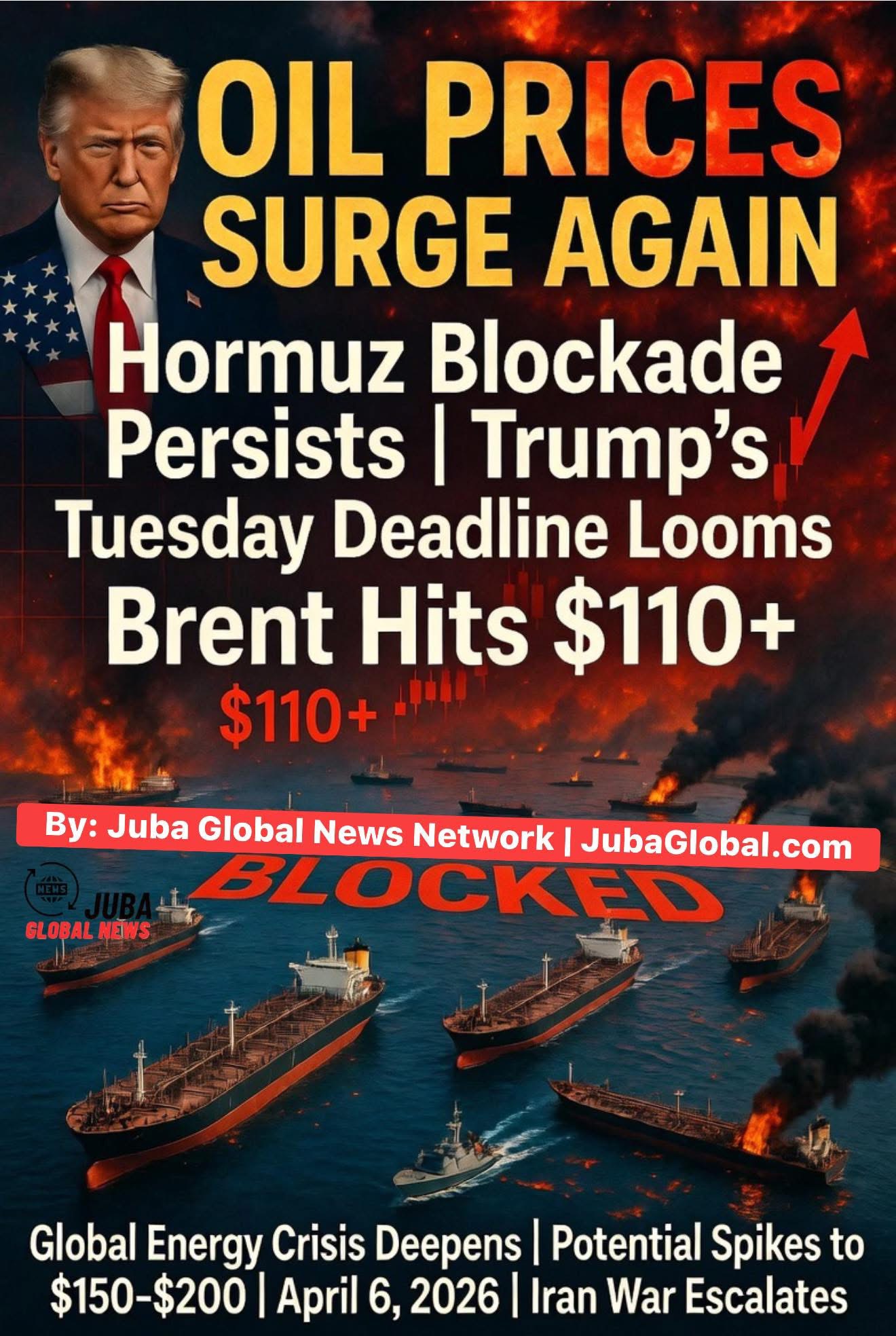
Oil Prices Surge Again as Hormuz Blockade Persists and Trump’s Tuesday Deadline Looms
By Juba Global News Network | JubaGlobal.com
Published: April 6, 2026
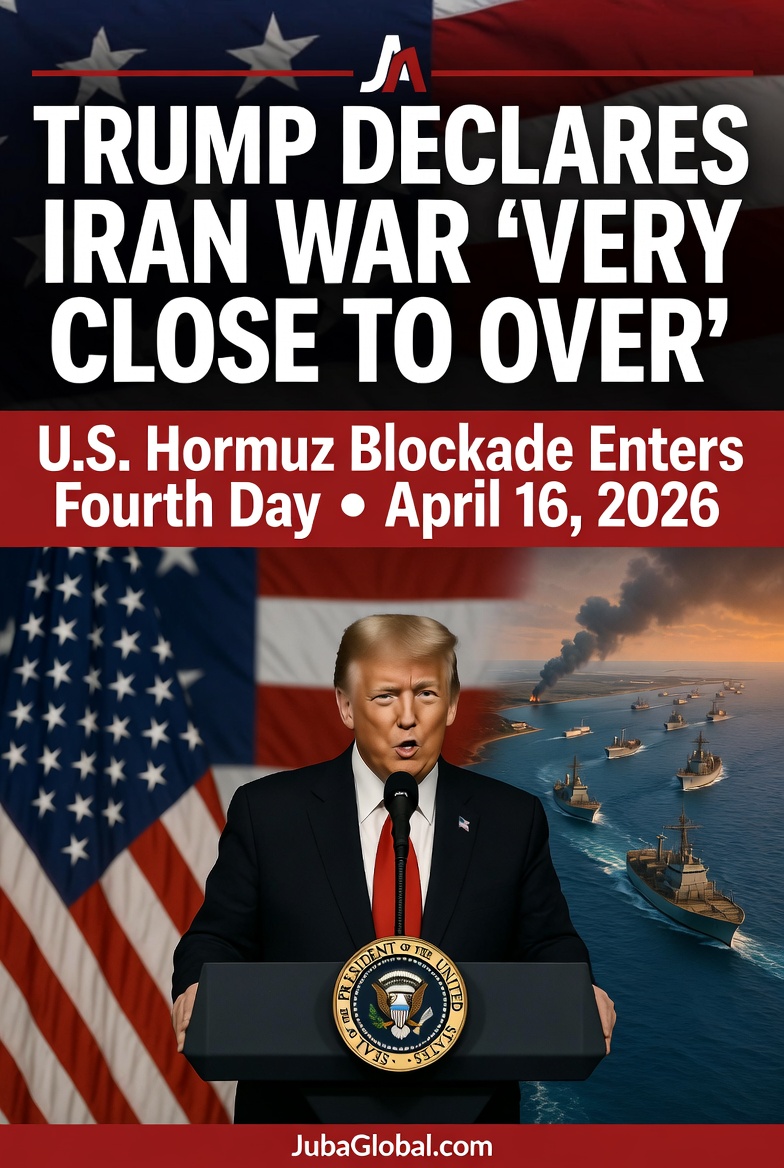
Global oil benchmarks climbed sharply once more on Monday amid deepening fears that the Strait of Hormuz — the world’s most critical energy chokepoint — will remain effectively closed well beyond mid-April. The renewed surge comes as U.S. President Donald Trump issues a fiery ultimatum demanding Iran reopen the strait by Tuesday evening, April 7, at 8:00 PM ET, or face massive strikes on Iranian power plants and bridges.
Analysts warn that prolonged disruption could trigger one of the most severe energy shocks in modern history, with potential spikes toward $150–$200 per barrel if the blockade drags into May or June.
Current Market Snapshot
As of April 6, 2026:
• Brent crude, the international benchmark, hovered near $108–$112 per barrel, with intraday volatility driven by conflicting signals from diplomacy and military rhetoric.
• West Texas Intermediate (WTI) traded around $110 per barrel, reflecting strong U.S. domestic demand pressures amid global supply fears.
• Refined products — including gasoline, diesel, and jet fuel — posted even steeper gains, exacerbating pain at the pump and for airlines and shipping companies worldwide.
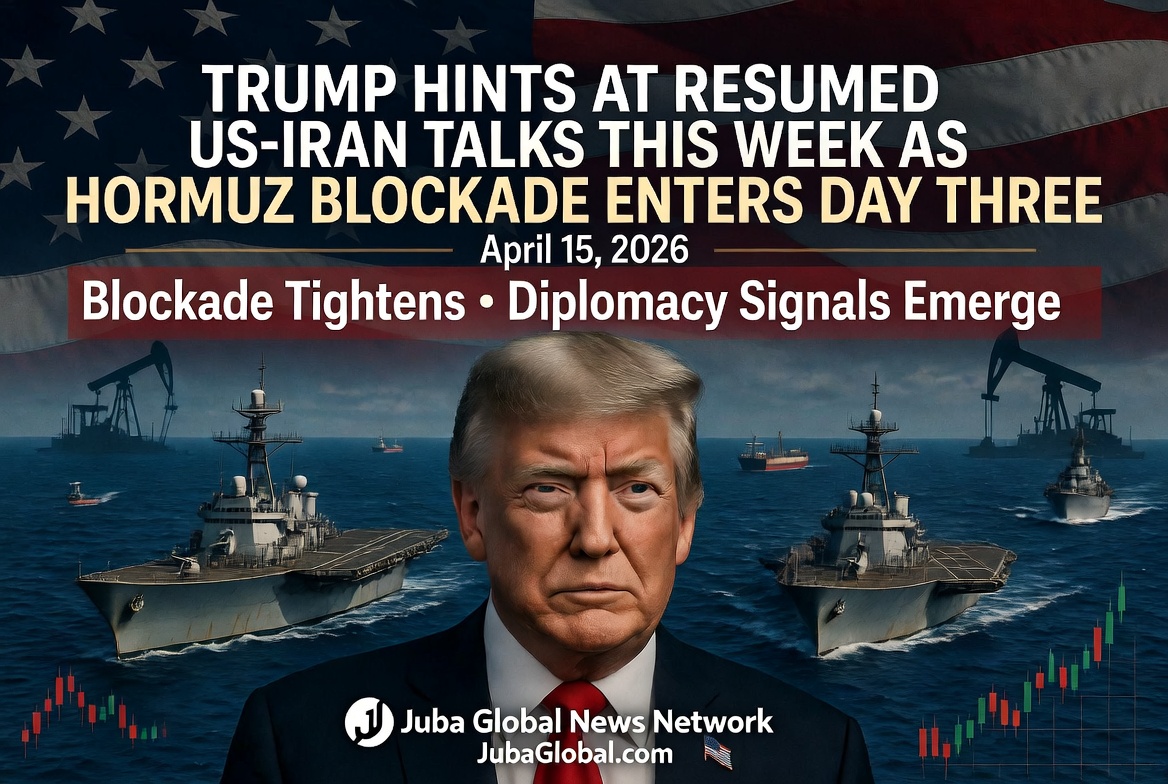
This represents a roughly 50–55% increase since the conflict began on February 28, when Brent traded near $72 per barrel. The Strait of Hormuz, through which nearly 20% of global oil and significant volumes of liquefied natural gas (LNG) normally flow, has been under effective Iranian control or blockade since early March, stranding hundreds of millions of barrels and forcing rerouting or outright cancellation of shipments.
Why the Latest Surge?
Several factors converged to push prices higher on Monday:
1. Trump’s Explosive Ultimatum: The president’s profanity-laced Truth Social post threatening “Power Plant Day” and “hell” for Iran if the strait is not reopened by Tuesday created immediate uncertainty. Markets fear that failure to comply could lead to direct U.S. strikes on energy infrastructure, further disrupting regional supply or prompting Iranian retaliation against Gulf oil facilities.
2. Persistent Blockade: Iranian forces, primarily the Islamic Revolutionary Guard Corps (IRGC) Navy, continue to restrict transit. While limited selective passage has been allowed for ships from certain nations (often involving reported tolls), U.S., Israeli, and many allied vessels face denial or high risk. Over 20 vessels have reportedly been attacked since the conflict escalated.
3. Limited Offsetting Supply: OPEC+ members agreed to modest production increases (around 206,000 barrels per day in May), but analysts question how much of this can physically reach global markets while the strait remains blocked. U.S. shale output is already near capacity, and strategic reserve releases by the International Energy Agency (IEA) provide only temporary relief.
4. Cumulative Losses: Estimates suggest nearly 1 billion barrels could be lost by the end of April if the closure continues — including crude oil and refined products. This represents the largest supply disruption on record, dwarfing previous crises.
Broader Economic Ripple Effects
The energy shock is already rippling through the global economy:
• Inflation Pressures: Higher fuel costs are feeding into transportation, manufacturing, and consumer goods. European nations face potential fuel shortages as early as April, while Asian importers — particularly China, India, and Japan — are rationing or hoarding supplies.
• Airlines and Shipping: Jet fuel and bunker fuel prices have soared, forcing fare hikes and reduced schedules. Container shipping costs have risen due to longer alternative routes around Africa.
• GDP Impact: Economists project that sustained prices above $110 could shave 0.5–0.6% off global growth, with sharper hits in energy-import-dependent regions. Some models warn of stagflation risks if central banks are forced to choose between fighting inflation and supporting growth.
• Stock Markets: Energy sector stocks have rallied, but broader indices show volatility as investors weigh recession fears against higher corporate profits in oil and gas.
The situation echoes the 1970s oil shocks but with modern complexities: simultaneous pressures from the ongoing Russia-Ukraine war, strained LNG markets (Qatar has declared force majeure on some exports), and disrupted Gulf production.
Analyst Forecasts and Scenarios
• Short-Term: If Iran ignores the Tuesday deadline and limited strikes follow, prices could test $120–$130 quickly.
• Prolonged Closure: Fitch Ratings projects Brent averaging $120 per barrel for 2026 if the strait stays blocked for six months, with spikes potentially reaching $130–$170 during the height of the crisis. Macquarie and others have floated $200 scenarios if the conflict extends into June without resolution.
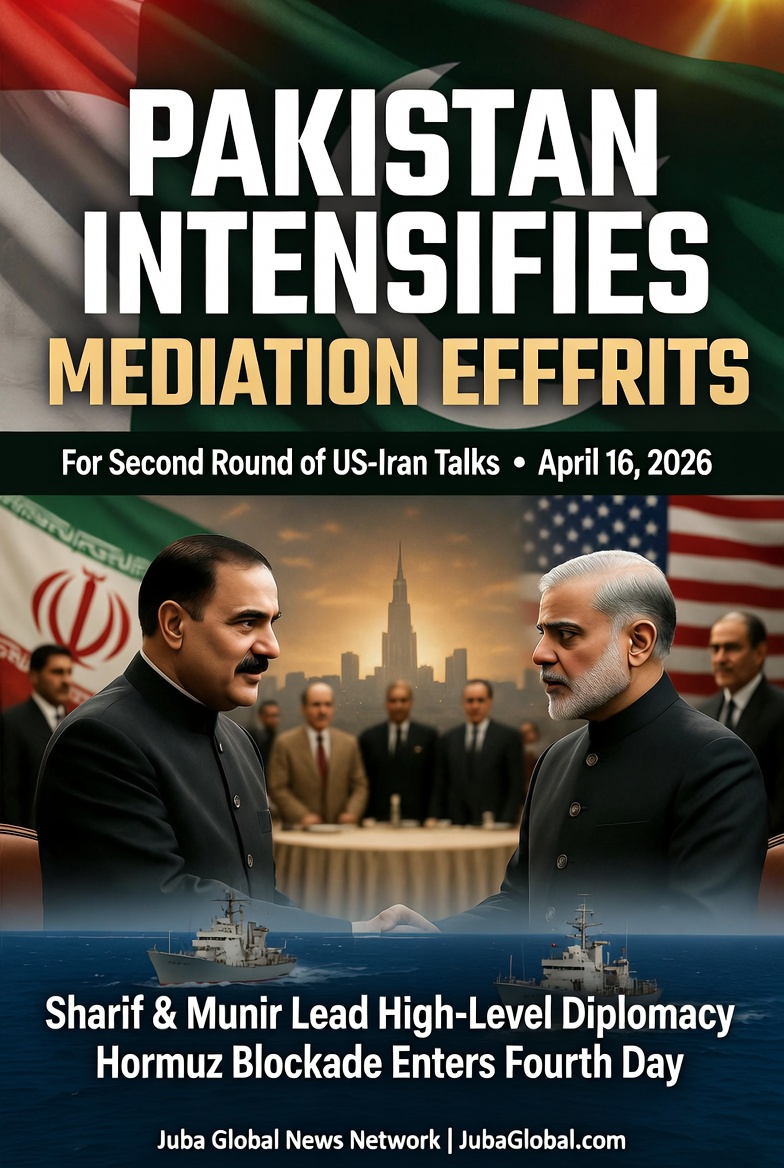
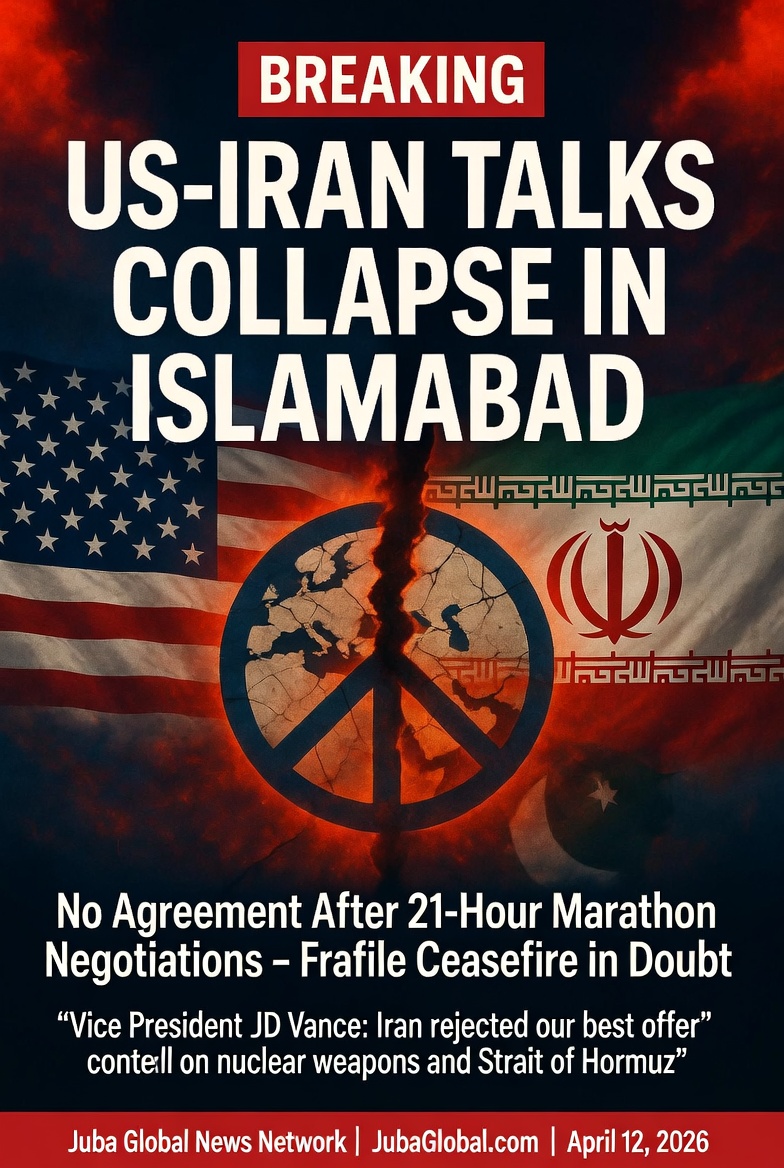
• Ceasefire Optimism: A credible 45-day truce or breakthrough in mediated talks (involving Pakistan, Turkey, Egypt, and others) could trigger a sharp pullback, as seen in earlier dips when diplomatic signals emerged. However, Iran has rejected temporary reopenings, insisting on a “new security order” and reparations.
Humanitarian and Geopolitical Dimensions
Beyond economics, the blockade exacerbates humanitarian challenges in Iran (where strikes have damaged infrastructure) and strains Gulf states hosting U.S. assets. The UAE and Saudi Arabia have ramped up air defenses amid Iranian missile threats, while global calls for de-escalation grow — including Pope Leo XIV’s Easter peace appeal and Japan’s planned summit with Iran.
President Trump has framed reopening the strait as essential for global trade, suggesting that nations reliant on Gulf oil should contribute to securing it. Iran, meanwhile, portrays the blockade as legitimate retaliation and a lever to force negotiations on its nuclear program, missiles, and sanctions.
What to Watch This Week
As the Tuesday deadline approaches, markets will scrutinize:
• Any Iranian response or symbolic gestures.
• U.S. or Israeli military movements near the strait.
• Fresh IEA reserve release announcements.
• Diplomatic leaks regarding ceasefire frameworks.
Energy traders and policymakers alike are bracing for volatility. Businesses from airlines to manufacturers are already adjusting supply chains and hedging costs, while consumers face higher prices at the gas pump and in everyday goods.
This developing story will be updated with real-time price movements, official statements, and expert analysis as events unfold.
Related Coverage on JubaGlobal.com:
• Trump’s explosive “Open the F****** Strait” ultimatum and Power Plant Day threat
• Iran rejects Trump’s Hormuz deadline, vows retaliation
• Iranian missile strikes hit Israel and UAE, killing at least 13
• US-Israeli airstrikes damage Sharif University in Tehran
Stay tuned to JubaGlobal.com for comprehensive, unbiased reporting on the Iran conflict, energy markets, and their worldwide implications. Follow us for live updates.