

Jimmy Lai Sentenced to 20 Years: A Landmark Blow to Hong Kong’s Press Freedom and Pro-Democracy Movement
On February 9, 2026, a Hong Kong High Court handed down one of the most severe punishments ever imposed under the city’s Beijing-imposed National Security

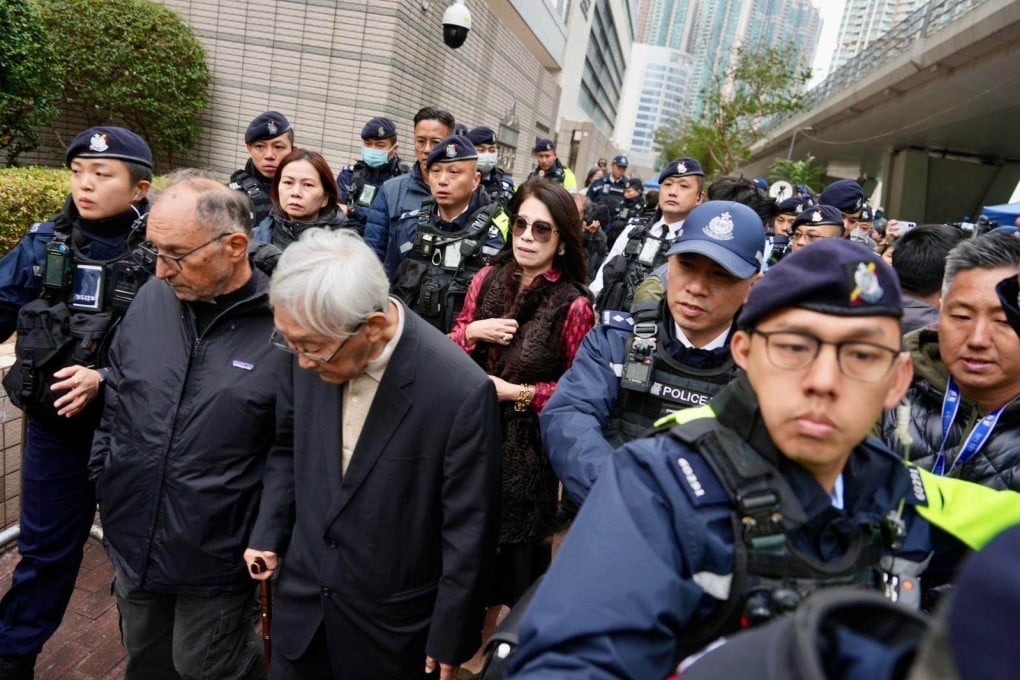
On February 9, 2026, a Hong Kong High Court handed down one of the most severe punishments ever imposed under the city’s Beijing-imposed National Security Law (NSL): a 20-year prison sentence for Jimmy Lai Chee-ying, the 78-year-old founder of the now-defunct Apple Daily newspaper and a longtime outspoken critic of the Chinese Communist Party. The ruling, delivered at the West Kowloon Law Courts Building, has been widely described as tantamount to a life sentence given Lai’s age and health concerns, including reported issues with eyesight and high blood pressure.
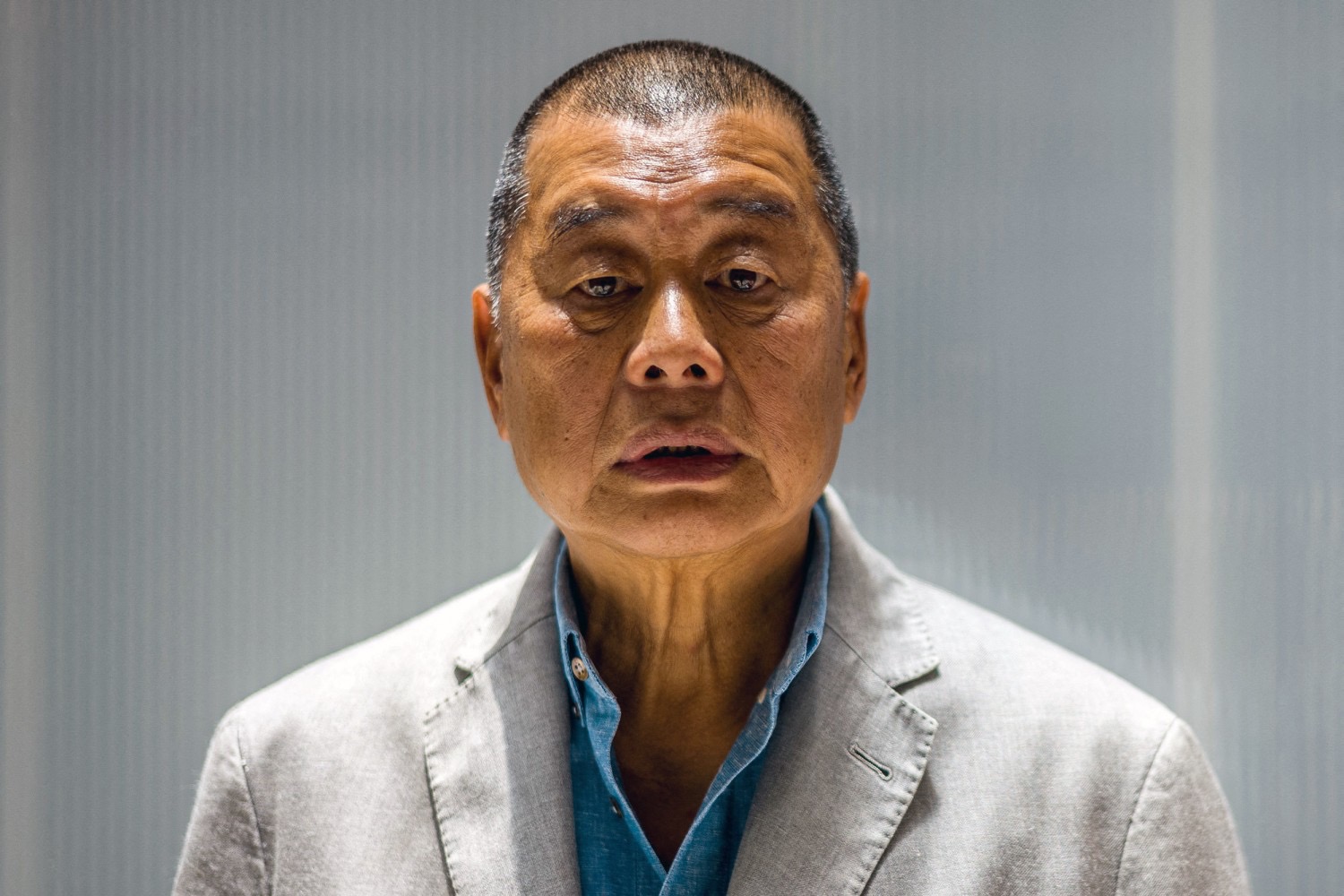
The Path to Conviction and Sentencing
Lai’s legal battle began in earnest in 2020, shortly after Beijing enacted the NSL in response to the massive 2019 pro-democracy protests. He was arrested multiple times, first on charges related to fraud and later under the NSL for allegedly conspiring to collude with foreign forces and publishing seditious materials.
The core case centered on:
- Two counts of conspiring to collude with foreign forces to endanger national security (Article 29 of the NSL), based on claims that Lai solicited international sanctions and intervention against China and Hong Kong.
- One count of conspiring to publish seditious articles, citing over 160 pieces from Apple Daily deemed inflammatory by prosecutors.
Lai, along with several former Apple Daily executives, pleaded not guilty. The trial—conducted by three government-vetted judges without a jury, a significant departure from Hong Kong’s traditional common-law practices in national security cases—spanned years. In December 2025, Lai and his co-defendants were convicted. Sentencing followed on February 9, 2026.
The court described the offenses as “grave” and “serious,” justifying a term near the upper end of the scale (up to life imprisonment for collusion charges). Judges noted Lai’s role as a “mastermind” and reduced the sentence slightly (by about 25 months in some accounts) to account for health factors and partial concurrent terms from a prior fraud conviction (where he was already serving over five years). Without further reductions for good behavior, Lai’s earliest release could be around 2044, when he would be 96 years old.
Former Apple Daily staff received sentences ranging from roughly 7 to 10 years.
Lai’s Life and Legacy
Born in mainland China in 1947, Jimmy Lai escaped poverty as a child and arrived in Hong Kong, where he built a fortune through Giordano, a popular clothing chain. In the 1990s, he shifted to media, founding Apple Daily in 1995. The newspaper stood out for its irreverent style, fierce anti-Beijing editorials, and vocal support for democracy—qualities that made it a beacon for many Hongkongers but a constant irritant to authorities.
Lai became a symbol of resistance, openly meeting Western politicians and advocating for sanctions on Chinese officials. His British citizenship (acquired through naturalization) added an international dimension to his case.
The forced closure of Apple Daily in June 2021—amid asset freezes and staff arrests—marked a turning point, illustrating the NSL’s chilling effect on independent media.
Reactions and Global Fallout
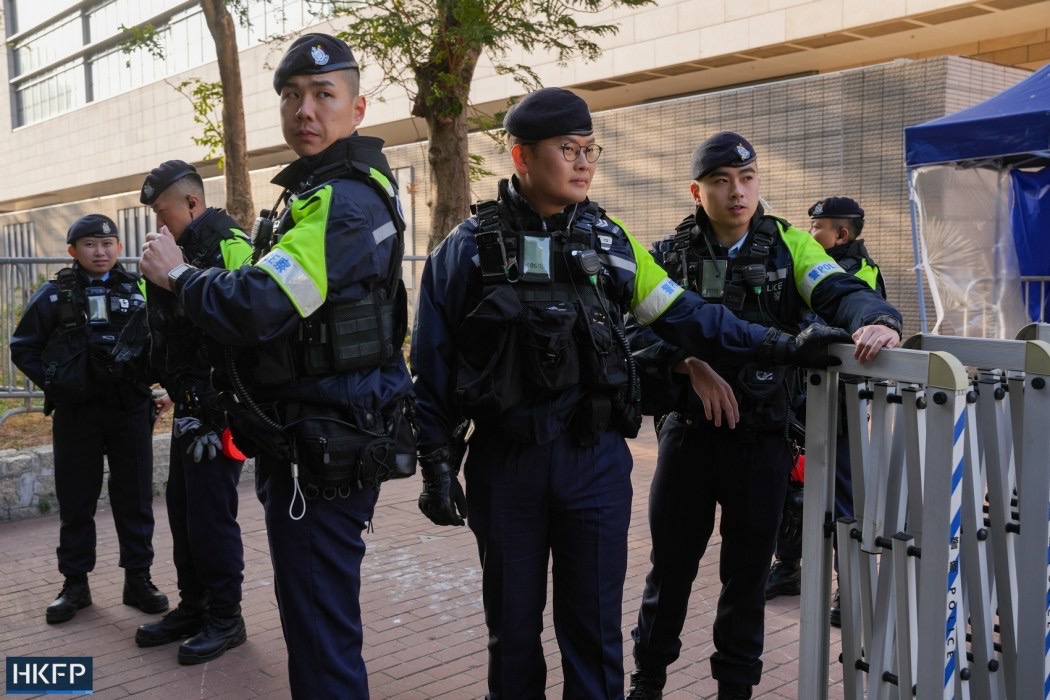
Hong Kong and Beijing authorities defended the sentence as upholding national security and the rule of law. Chief Executive John Lee and Chinese officials dismissed foreign criticism as unwarranted interference.
Internationally, the verdict drew swift condemnation:
- The United Kingdom (where Lai holds citizenship) called it a “politically motivated” outcome, with Foreign Secretary Yvette Cooper labeling it tantamount to a life sentence.
- Rights groups like Human Rights Watch, Amnesty International, and Reporters Without Borders (RSF) described it as “cruel,” “profoundly unjust,” and a final nail in the coffin for press freedom in Hong Kong.
- Lai’s family, including his daughter Claire, expressed devastation, warning he could “die a martyr behind bars.”
The case has intensified scrutiny of Hong Kong’s judicial independence and the erosion of freedoms promised under the “one country, two systems” framework.
What This Means for Hong Kong’s Future
This sentencing caps a transformative crackdown that has silenced dissent, shuttered civil society groups, and reshaped the city’s political landscape since 2020. With Apple Daily gone and activists imprisoned or exiled, independent journalism faces near-total suppression.
For many observers, Jimmy Lai’s 20-year term serves as both a stark warning to would-be critics and a poignant reminder of the costs of challenging authoritarian control. Appeals remain possible, though prospects appear slim given prior rulings. Sustained international pressure may offer the only avenue for change, though Beijing continues to frame such efforts as meddling in sovereign affairs.
As Hong Kong navigates its evolving identity, the fate of one man—once a billionaire entrepreneur, now a jailed dissident—encapsulates the broader struggle between freedom of expression and state security in the territory.
