

Japan’s Historic Landslide: Prime Minister Sanae Takaichi Secures Sweeping Mandate in Snap Election
On February 8, 2026, Japanese voters delivered a resounding verdict in a high-stakes snap general election, propelling Prime Minister Sanae Takaichi and he

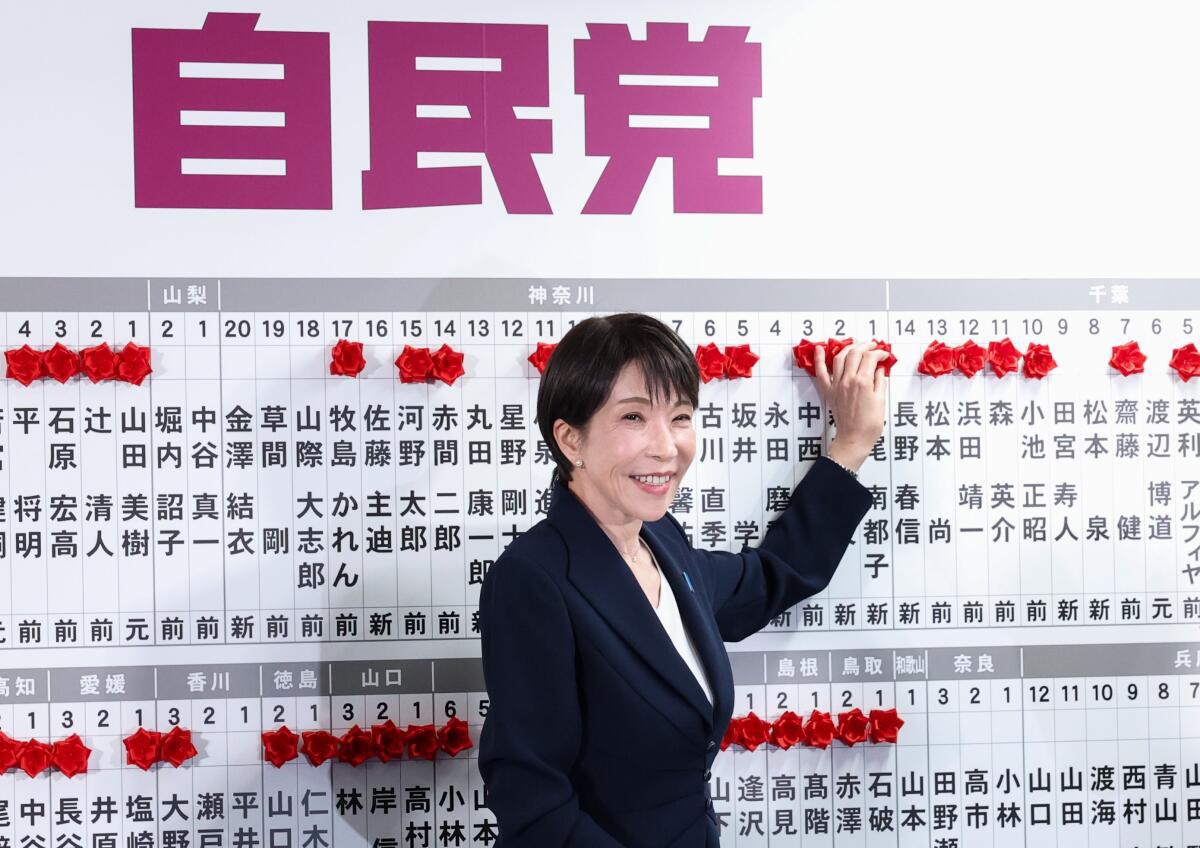
On February 8, 2026, Japanese voters delivered a resounding verdict in a high-stakes snap general election, propelling Prime Minister Sanae Takaichi and her Liberal Democratic Party (LDP) to one of the most decisive victories in postwar Japanese political history. The LDP alone secured 316 seats out of the 465 in the powerful House of Representatives (lower house), surpassing the 233 needed for a majority and achieving a two-thirds supermajority on its own. When combined with its coalition partner, the Japan Innovation Party (JIP), the ruling bloc commanded 352 seats, granting Takaichi unparalleled legislative power to advance her ambitious “Japan First” agenda.
This outcome, confirmed by public broadcaster NHK and other major outlets early on February 9, 2026, sent shockwaves through financial markets—the benchmark Nikkei 225 surged to record highs amid optimism over promised tax cuts and fiscal stimulus—while solidifying Takaichi’s position as Japan’s first female prime minister to win a direct popular mandate.

From Party Leadership to Prime Minister: Takaichi’s Rapid Rise
Sanae Takaichi, born March 7, 1961, has long been a prominent figure in conservative circles. A veteran lawmaker known for her hard-line views on national security, historical issues, and economic reform, she drew inspiration from figures like Margaret Thatcher, earning comparisons to an “Iron Lady” of Japanese politics. After multiple unsuccessful bids, she won the LDP presidency in October 2025, succeeding a period of instability following the resignation of her predecessor. She was elected prime minister by the Diet on October 21, 2025, marking Japan’s first female leader in its modern history.
Facing skepticism over her ultraconservative stance and the LDP’s recent scandals, Takaichi called the snap election just months into her tenure to seek a fresh mandate. Critics labeled it a risky gamble, but her high personal popularity—fueled by a dynamic, direct communication style that resonated with younger voters and those disillusioned by prior “listless” leadership—turned the tide.
Campaign Promises and Key Policies
Takaichi’s platform emphasized economic revitalization, national strength, and conservative reforms. Central pledges included:
- Tax relief to combat rising living costs, notably a two-year suspension of the 8% consumption tax on food items, described by Takaichi as her “long-cherished dream.”
- Fiscal stimulus and expansionary policies to boost growth and household spending.
- Tougher stances on immigration, aiming to limit inflows while prioritizing skilled workers.
- Hard-line approach toward China, including increased military spending and stronger deterrence in the Indo-Pacific region.
- Broader security enhancements to counter regional threats.
These promises appealed to voters concerned about inflation, economic stagnation, and geopolitical tensions. The LDP’s supermajority now allows it to pass legislation with relative ease, even potentially overriding the opposition-controlled upper house.
Market and International Reactions
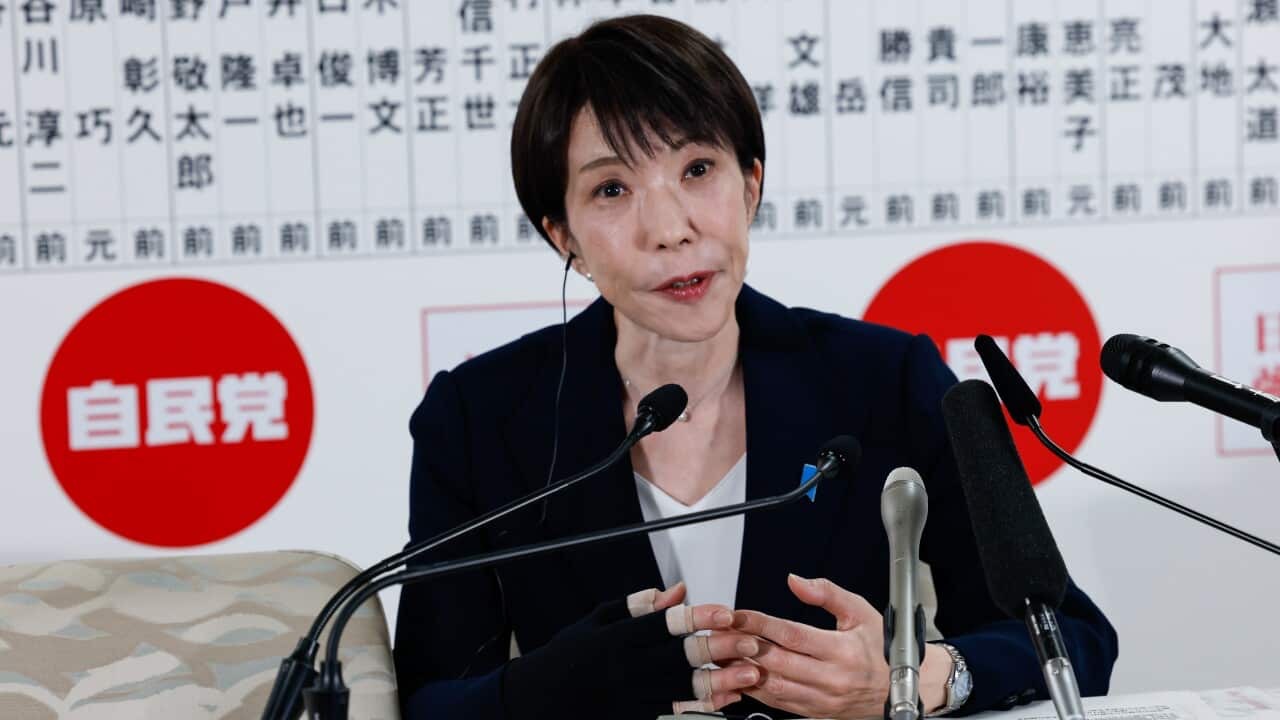
The election results triggered immediate market enthusiasm. Japanese stocks soared as investors anticipated pro-growth measures, with the Nikkei hitting fresh records. Bond yields rose amid expectations of heavier fiscal spending.
Internationally, the victory was viewed as bolstering a reliable U.S. ally in Asia. U.S. President Trump reportedly praised Takaichi’s “Peace Through Strength” approach. Analysts noted the outcome strengthens Japan’s position in countering China’s influence, with potential for deeper defense ties and constitutional debates on military roles.
Implications for Japan’s Future
This landslide—described as the LDP’s best postwar performance—marks a dramatic turnaround for a party that faced voter fatigue and internal divisions earlier in the decade. Takaichi’s mandate clears obstacles for her conservative shift in security, immigration, and economic policy. She is expected to be reconfirmed as prime minister around February 18, 2026, with no immediate cabinet reshuffle planned.
Yet challenges remain: delivering on bold tax cuts without destabilizing finances, navigating regional tensions, and maintaining public support amid global uncertainties. Political observers highlight that her popularity drove the win, raising questions about long-term sustainability.
For now, Sanae Takaichi stands as Japan’s most empowered leader in generations, poised to reshape the nation’s trajectory in a pivotal era. The snap election gamble not only paid off but redefined Japanese conservatism for the 21st century.
