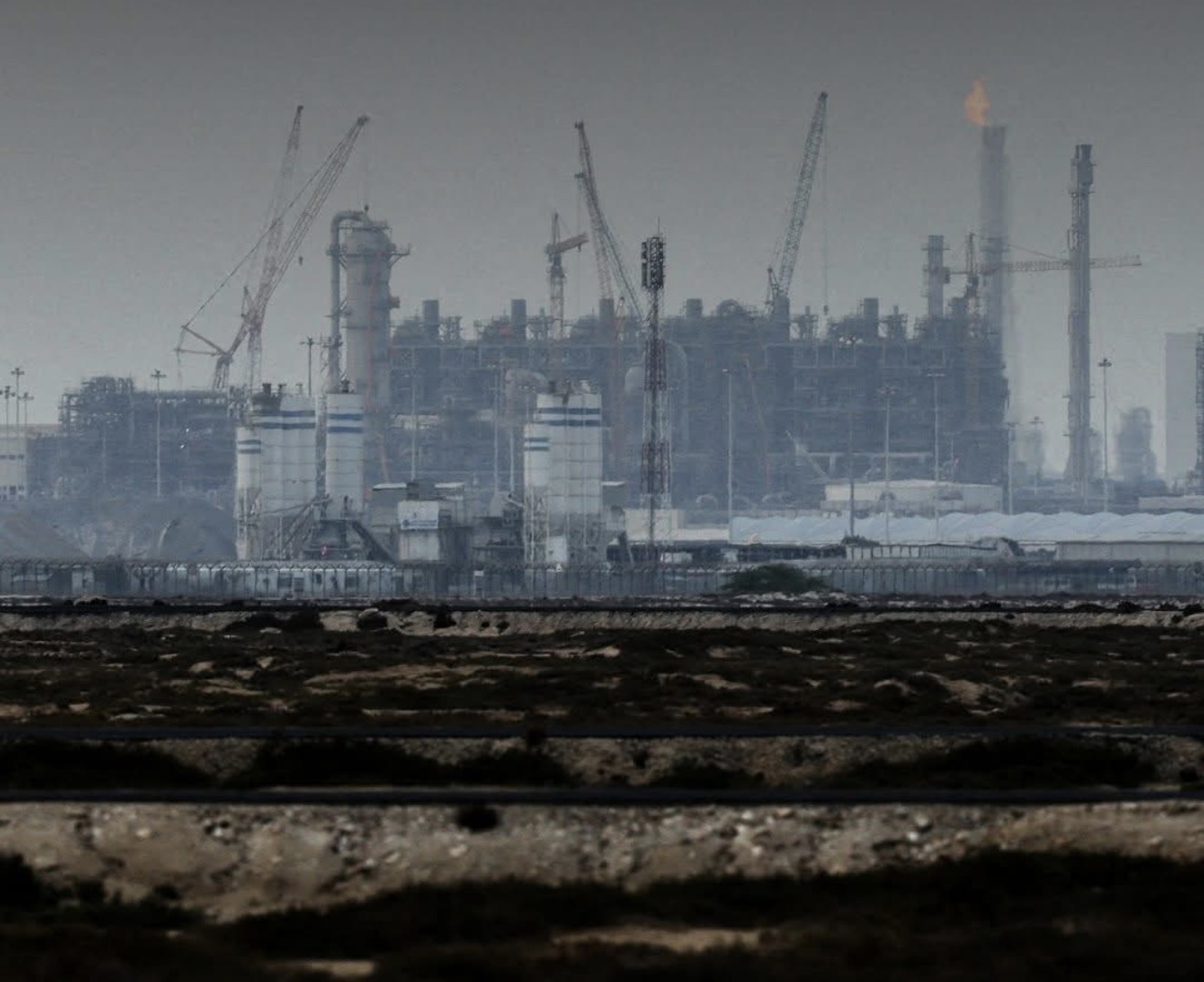
Iran Strikes Qatar’s Ras Laffan: Attack on the World’s Largest LNG Export Terminal Escalates Regional Conflict
The attack on Qatar’s Ras Laffan Industrial City, home to the world’s largest liquefied natural gas (LNG) export terminal, marks a dramatic escalation in t
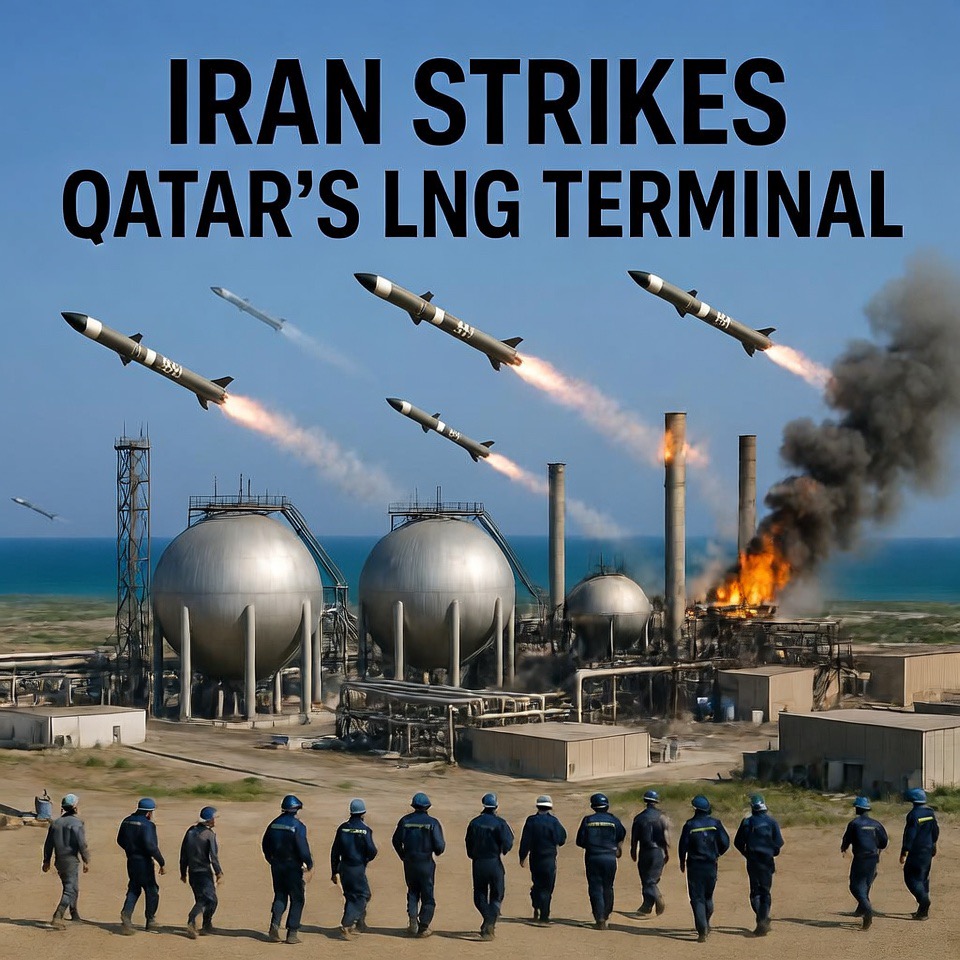
The attack on Qatar’s Ras Laffan Industrial City, home to the world’s largest liquefied natural gas (LNG) export terminal, marks a dramatic escalation in the ongoing regional conflict involving Iran and several Gulf states, amid broader hostilities tied to U.S., Israeli, and Iranian actions.
According to statements from Qatar’s Ministry of Interior and related reports, civil defense teams responded to a fire in the Ras Laffan area following what Qatari authorities described as Iranian targeting. The incident involved ballistic missiles launched from Iran, with Qatar’s defenses intercepting four out of five, but one striking the industrial site and sparking a blaze. Qatar’s Interior Ministry confirmed that civil defense personnel brought the fire under preliminary control, with no injuries or casualties reported. QatarEnergy, the state-owned energy giant, reported “extensive damage” to the facility, though full assessments of the impact on operations were ongoing.
This strike comes amid heightened tensions in the Middle East. Earlier in March 2026, Iran launched drone attacks on facilities in Ras Laffan and Mesaieed Industrial City, prompting QatarEnergy to halt LNG production temporarily and causing global gas prices to surge sharply in Europe and Asia. Those initial attacks targeted specific infrastructure, including a power plant water tank in Mesaieed and an energy facility in Ras Laffan, with no casualties but significant market disruption. Qatar’s Defense Ministry attributed those to Iranian drones, leading to evacuations and production suspensions that affected roughly a fifth of global LNG supply.
The more recent missile strike on March 18 appears to be part of Iran’s retaliatory campaign following damage to its own energy infrastructure, including strikes on the massive South Pars gas field (shared with Qatar) and other sites. Iranian sources and affiliated outlets have publicly listed potential targets in the Gulf, including Ras Laffan, Mesaieed petrochemical facilities in Qatar, Jubail in Saudi Arabia, and Al Hosn in the UAE, vowing to hit energy infrastructure in response to perceived aggressions against Iran.
The Strategic Importance of Ras Laffan
Ras Laffan Industrial City, located on Qatar’s northern coast about 80 km from Doha, is the epicenter of the country’s energy economy. Operated primarily by QatarEnergy, it processes and exports LNG from the North Field (the Qatari side of the world’s largest natural gas reserve, shared with Iran’s South Pars). The complex includes multiple liquefaction trains, storage tanks, export berths, and supporting infrastructure, making it the single largest LNG export hub globally.
Reliable estimates indicate that Ras Laffan accounts for about 20% of the world’s LNG exports under normal conditions, with Qatar as a whole being the top or near-top exporter depending on the year. LNG from here supplies major markets in Asia (e.g., Japan, South Korea, China, India) and increasingly Europe, where it has helped offset reduced Russian pipeline gas. Disruptions here ripple through global energy markets: previous halts in early March drove European gas prices up by over 50% in some benchmarks, while oil prices also climbed amid fears over Strait of Hormuz shipping routes.
The facility’s vulnerability stems from its concentration of critical assets in one area, despite robust defenses. Qatar hosts the massive U.S. Al Udeid Air Base, which has factored into regional dynamics, but the strikes highlight how energy sites have become proxies in the wider conflict.
Broader Context and Implications
This incident fits into a pattern of tit-for-tat attacks on energy infrastructure across the Gulf. Iran has framed its actions as retaliation for strikes on its facilities, including South Pars, which ironically supplies some gas to neighbors but has faced disruptions. Gulf states like Qatar, Saudi Arabia (which saw refinery issues), and the UAE have condemned the attacks as violations of sovereignty and threats to global stability.
Qatar has strongly denounced the “brutal” targeting, with its Foreign Ministry calling it a dangerous escalation. In response, Qatar declared Iran’s military attaché persona non grata shortly after the latest strike. No immediate resumption of full operations at Ras Laffan has been announced, though emergency responses prioritized containment and safety.
The global fallout is immediate and severe. LNG buyers face supply uncertainty, pushing prices higher and forcing reliance on alternatives like U.S. or Australian exports. Europe, still sensitive to energy security post-Ukraine, risks renewed shortages if disruptions persist. Asian markets, heavily dependent on Qatari cargoes, could see contract renegotiations or spot market volatility.
Longer-term, the attacks underscore the fragility of global energy supply chains in geopolitically tense regions. The Strait of Hormuz, through which much Gulf LNG and oil flows, has seen traffic issues in related escalations, amplifying risks.
As civil defense continues monitoring Ras Laffan and authorities assess damage, the incident serves as a stark reminder of how intertwined energy, security, and international relations are in the Middle East. With no casualties reported in the latest strike, the focus remains on containment, repair, and diplomatic efforts to prevent further broadening of the conflict. Markets will watch closely for any signs of restored production or additional threats.