Internal Military Power Struggles
Reports Emerge of Deep Crises in the Ministry of Defence, with Figures like General Gregory Vasili (President Salva Kiir’s Brother-in-Law) Pushing for Leadership Changes and Greater Control Over the Security Sector Ahead of Anticipated January 2026 Reshuffles
By Juba Global News Network Investigative Team
JubaGlobal.com
Juba, South Sudan — January 6, 2026
As South Sudan navigates the final year of its extended transitional period ahead of historic elections scheduled for December 2026, fresh reports of intense internal power struggles within the Ministry of Defence and the broader security apparatus have surfaced, raising serious concerns about stability in the young nation.
Credible sources within military and government circles have revealed a deepening crisis, centered around influential figures close to the presidency who are allegedly maneuvering for greater control over key security institutions. At the heart of these tensions is General Gregory Vasili Deng Kuac, President Salva Kiir Mayardit’s brother-in-law and a longtime power broker in the South Sudan People’s Defence Forces (SSPDF).
Insiders describe a concerted push by General Vasili and his allies to influence an anticipated major reshuffle expected in January 2026, potentially positioning him or his loyalists in top command roles, including the powerful position of Chief of Staff of the SSPDF.
Who is General Gregory Vasili?
General Gregory Vasili has long been a controversial figure in South Sudanese politics and military affairs. As the brother-in-law of President Kiir, he benefits from deep familial ties to the first family, a connection that has fueled repeated accusations of nepotism throughout his career.
Vasili’s rise includes governorships, senior military postings, and roles in intelligence. In past reshuffles, he has been appointed to sensitive positions, including deputy roles in national security. However, his career has not been without international scrutiny: in 2018, the United States imposed sanctions on him for his alleged role in facilitating arms shipments and exacerbating ethnic violence during the civil war.
Sources close to the Ministry of Defence claim that Vasili, currently serving in a high-level administrative capacity, is collaborating closely with figures such as General John Manut Wol, a deputy in the National Security Service, to consolidate influence. This faction is described as operating primarily in the interests of the presidency and the first family, amid fears that rival generals could challenge the status quo.
The Anticipated January 2026 Reshuffle: A Battleground for Influence
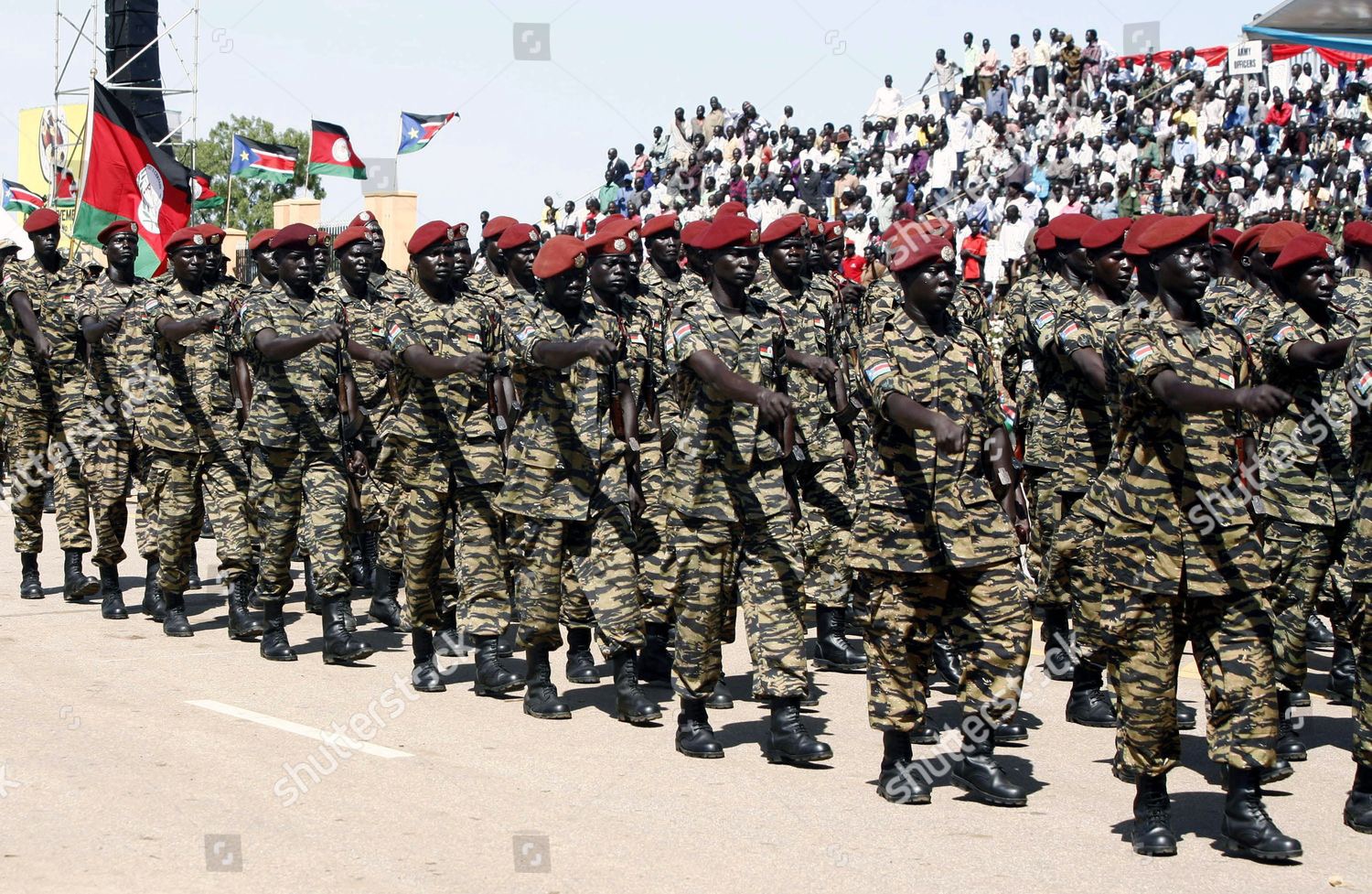
The reported maneuvering comes against the backdrop of recent turbulence in the security sector. In November 2025, President Kiir announced a significant government and military reshuffle, dismissing several high-profile figures including the Commander of the elite Tiger Division and the Presidential Advisor on Security Affairs. While those changes affected mid-to-upper tiers, insiders suggest the upcoming January adjustments could target the highest echelons, including the Ministry of Defence leadership and SSPDF command structure.
Rumors circulating in Juba suggest that Vasili’s camp is advocating for the replacement of current senior command figures with allies more aligned to the presidential inner circle. Some reports even claim external support for these moves, including alleged backing from Uganda’s People’s Defence Force (UPDF), which maintains a presence in South Sudan under bilateral agreements.
These developments occur as the Revitalized Agreement on the Resolution of the Conflict in South Sudan (R-ARCSS) approaches its conclusion. The 2018 peace deal mandated unification of forces and security sector reforms, but progress has been slow, leaving parallel command structures and lingering divisions from the 2013-2018 civil war.
Broader Implications for National Stability
Analysts warn that intensified infighting within the military elite could undermine fragile gains in the peace process and jeopardize the planned December 2026 elections — the first since independence in 2011.
“The security sector has always been the epicenter of power in South Sudan,” said one independent Juba-based political observer speaking on condition of anonymity. “When family ties and personal loyalties override institutional reforms, it creates risks of defections, localized clashes, or even broader instability — especially with elections on the horizon.”
Opposition voices have long criticized what they describe as the “militarization of politics” under President Kiir, pointing to repeated reshuffles as tools for maintaining control rather than professionalizing the forces. The recent detention and release of senior officials, alongside dismissals of vice presidents and advisors, have only heightened perceptions of a shrinking circle of trust around the presidency.
Humanitarian organizations operating in the country express concern that any escalation in military tensions could exacerbate the already dire situation, with millions still displaced and dependent on aid.
Government Response and Outlook
As of publication, the Office of the President and the Ministry of Defence have not issued official statements addressing these specific allegations. Past responses to similar reports have typically dismissed them as “baseless rumors” intended to sow division.
Nevertheless, the timing — just weeks before the rumored January reshuffle and less than a year from national polls — underscores the high stakes. With regional neighbors closely watching and international partners pressing for credible elections, the outcome of these internal struggles could shape South Sudan’s trajectory for years to come.
Juba Global News Network will continue monitoring developments and provide updates as more information becomes available.
This article is based on multiple anonymous sources within the security sector, cross-referenced with public reports and historical context.