Heavy Flooding and Cyclone Aftermath Devastate Southern Africa: Over 1.5 Million Affected as Mozambique, Madagascar, and Neighbors Reel from Relentless Storms
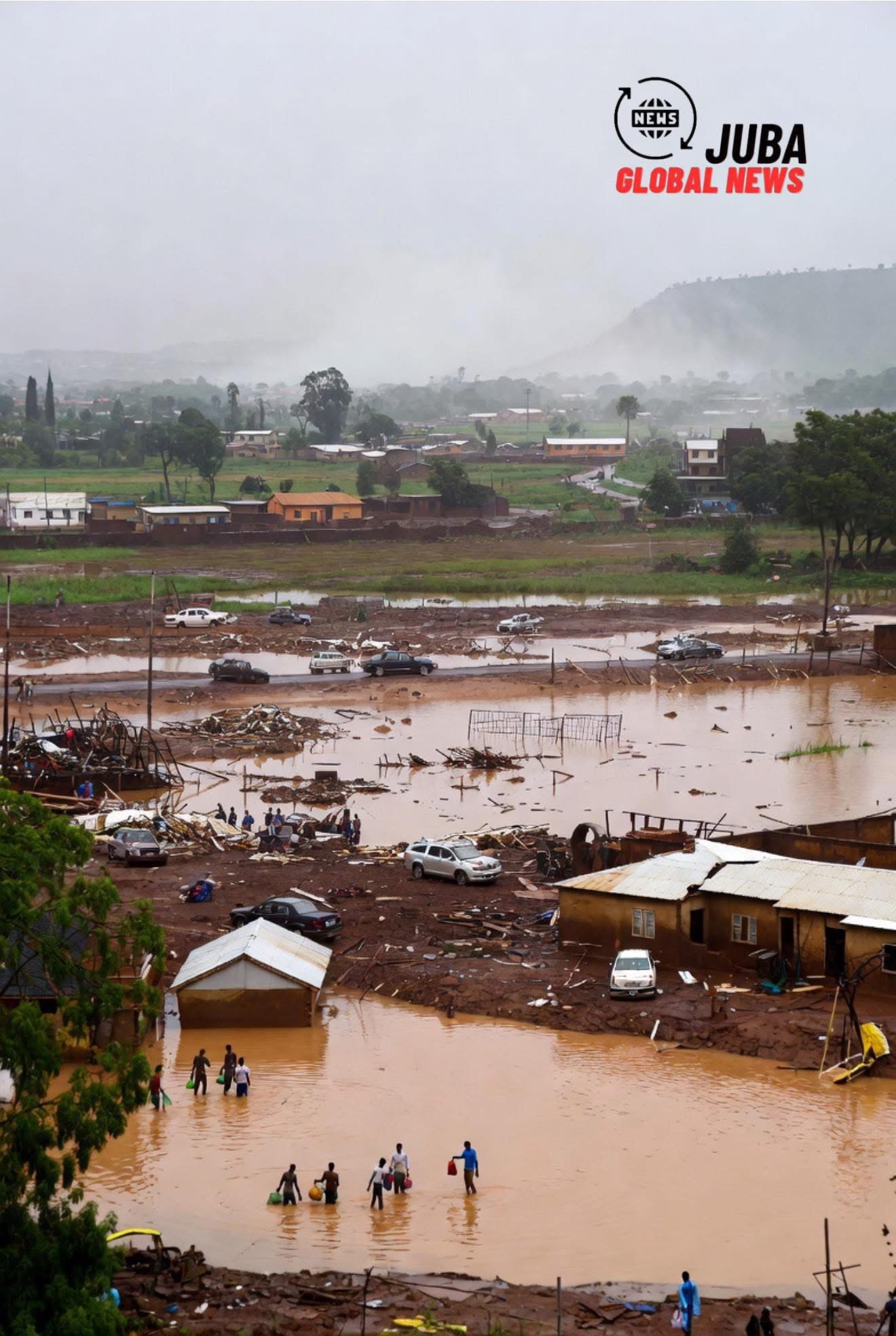
As of mid-February 2026, Southern Africa is grappling with one of its most severe humanitarian crises in recent years. Successive heavy rainfall events, intensified by La Niña conditions and amplified by human-caused climate change, combined with back-to-back tropical cyclones, have triggered widespread catastrophic flooding and destruction. According to the latest flash updates from the United Nations Office for the Coordination of Humanitarian Affairs (OCHA) and regional assessments, an estimated 1.5 million people have been affected since mid-December 2025, with over 300 deaths confirmed and more than 170,000 people displaced. The hardest-hit countries include Mozambique, Madagascar, South Africa, Zambia, Eswatini, Zimbabwe, and Malawi, where infrastructure lies in ruins, food security hangs by a thread, and disease outbreaks loom.
The Trigger: An Unrelenting Rainy Season Supercharged by Climate Factors
The crisis began in late December 2025 with exceptionally persistent and heavy rainfall across southeastern Africa—some areas receiving more than a year’s worth of rain in just 10–14 days. Rivers like the Limpopo, Incomati, and Zambezi overflowed, submerging communities and farmland. A rapid attribution study by World Weather Attribution (WWA) concluded that climate change increased rainfall intensity by around 40% in the affected events, making extreme downpours more likely and severe. La Niña patterns further contributed to the “perfect storm” of conditions, while high population exposure and longstanding vulnerabilities (poverty, inadequate infrastructure, prior droughts) turned heavy rain into humanitarian catastrophe.
The situation escalated dramatically in early February 2026 with two successive tropical cyclones striking Madagascar:
- Tropical Cyclone Fytia made landfall on January 31, 2026, battering the northwestern coast and central regions with destructive winds and torrential rains, displacing thousands and causing initial widespread flooding.
- Just days later, Intense Tropical Cyclone Gezani (with sustained winds up to 250 km/h) slammed into eastern Madagascar near Toamasina (the country’s second-largest city and key port) on February 10. The storm left the port city in ruins—90% of structures damaged or destroyed in some areas, collapsed roofs, power outages, contaminated water supplies, and chaotic conditions on the ground.
Gezani then crossed into the Mozambique Channel, battering southern Mozambique’s Inhambane province and exacerbating already flooded areas.
Country-by-Country Toll: Mozambique and Madagascar Bear the Brunt
Mozambique remains the epicenter of suffering. Flooding has affected approximately 723,000 people across central and southern provinces, damaging or destroying over 171,000 houses, 229 health facilities, and 717,000 hectares of farmland. Roads—including the vital national highway N1—have been severed, isolating entire regions like Gaza province. Livestock losses number in the tens of thousands, compounding food insecurity in areas still recovering from previous droughts. Cholera risks are surging due to contaminated water and overcrowded displacement sites.
Madagascar has been hammered by the cyclones. Combined, Fytia and Gezani affected over 681,000 people, with 475,000 in acute need of assistance. In Toamasina alone, Gezani caused dozens of deaths (at least 52 confirmed across the island), hundreds injured, and massive displacement—over 35,000 homes destroyed or damaged, hundreds of classrooms wrecked, and critical infrastructure (ports, roads like RN2, power grids, water systems) devastated. Nearly 6,000 children have been displaced, and tens of thousands are out of school.
Neighboring countries have not been spared:
- South Africa (especially Limpopo and Mpumalanga provinces), Zimbabwe, Eswatini, and Zambia reported significant flooding, crop destruction (over 105,000 hectares region-wide in some assessments), and displacement.
- Disease outbreaks (cholera, malaria) are rising in floodwaters, with damaged health facilities hindering response.
Humanitarian Crisis Unfolds: Displacement, Hunger, and Disease Risks
The scale of displacement exceeds 170,000, with families fleeing submerged homes and seeking shelter in schools, churches, or makeshift camps. Food insecurity is acute—destroyed farmland threatens harvests, and market access is cut off by washed-out roads and bridges. In Madagascar, pre-cyclone food insecurity already affected 1.57 million people; now, acute needs have surged.
Humanitarian agencies warn of secondary disasters: cholera and waterborne diseases from contaminated sources, malaria spikes in stagnant water, and mental health trauma from repeated displacement. Response efforts are underway—food distributions, emergency shelter, water purification—but funding gaps persist, with appeals under-resourced amid global donor fatigue.
Climate Context and the Path Forward
Experts emphasize that while La Niña contributed, anthropogenic climate change made these events far more intense and likely. Southern Africa’s vulnerability—poor drainage, informal settlements in floodplains, limited early warning systems—amplifies impacts. Calls are growing for:
- Climate adaptation investments (better infrastructure, resilient agriculture).
- Stronger early warning and evacuation systems.
- Predictable humanitarian funding.
- Global support for loss and damage in vulnerable nations.
As the rainy season continues (projections indicate normal to above-normal rainfall through June 2026 in many areas), recovery will be long and arduous. Communities in Mozambique, Madagascar, and beyond face not just rebuilding homes, but rebuilding lives amid a changing climate that makes such disasters more frequent and ferocious.
The world watches as Southern Africa endures yet another brutal test—prayers for swift aid, resilient recovery, and a future where extreme weather does not equate to catastrophe.