Flames of Discontent: Iran’s Nationwide Protests Escalate Amid Economic Collapse and Deadly Clashes
By: Juba Global News Network | JubaGlobal.com
January 2, 2026
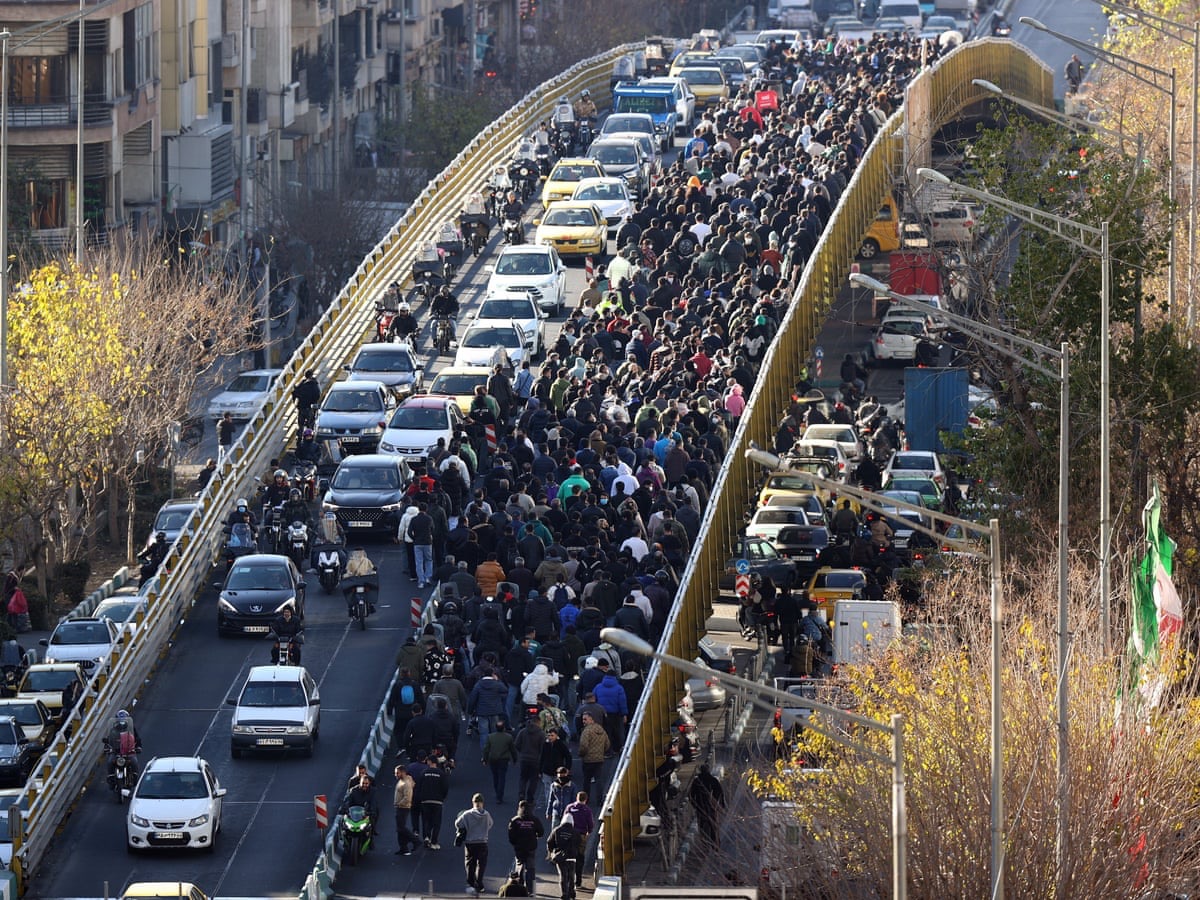
As the world ushered in 2026 with celebrations, streets across Iran erupted in anger and grief. What began as a merchants’ strike in Tehran’s historic Grand Bazaar over a catastrophic plunge in the rial’s value has ballooned into the largest wave of unrest since the 2022-2023 protests triggered by Mahsa Amini’s death. By January 1, protests entering their fifth day turned violent, with reports of at least seven deaths—including protesters and security forces members—in clashes across several provinces.
The demonstrations, fueled by skyrocketing inflation, record-low currency valuation, and deepening poverty, have spread from urban centers to rural areas, drawing in students, workers, and ordinary citizens chanting not just for economic relief but against the Islamic Republic’s leadership itself.
Roots of the Crisis: A Currency in Freefall
The spark ignited on December 28, 2025, when shopkeepers in Tehran shuttered their stores in protest against the rial’s dramatic depreciation. By late December, the currency hit a historic low of approximately 1.45 million rials to one U.S. dollar—more than half its value from a year earlier and a staggering decline from around 30,000 rials per dollar a decade ago.
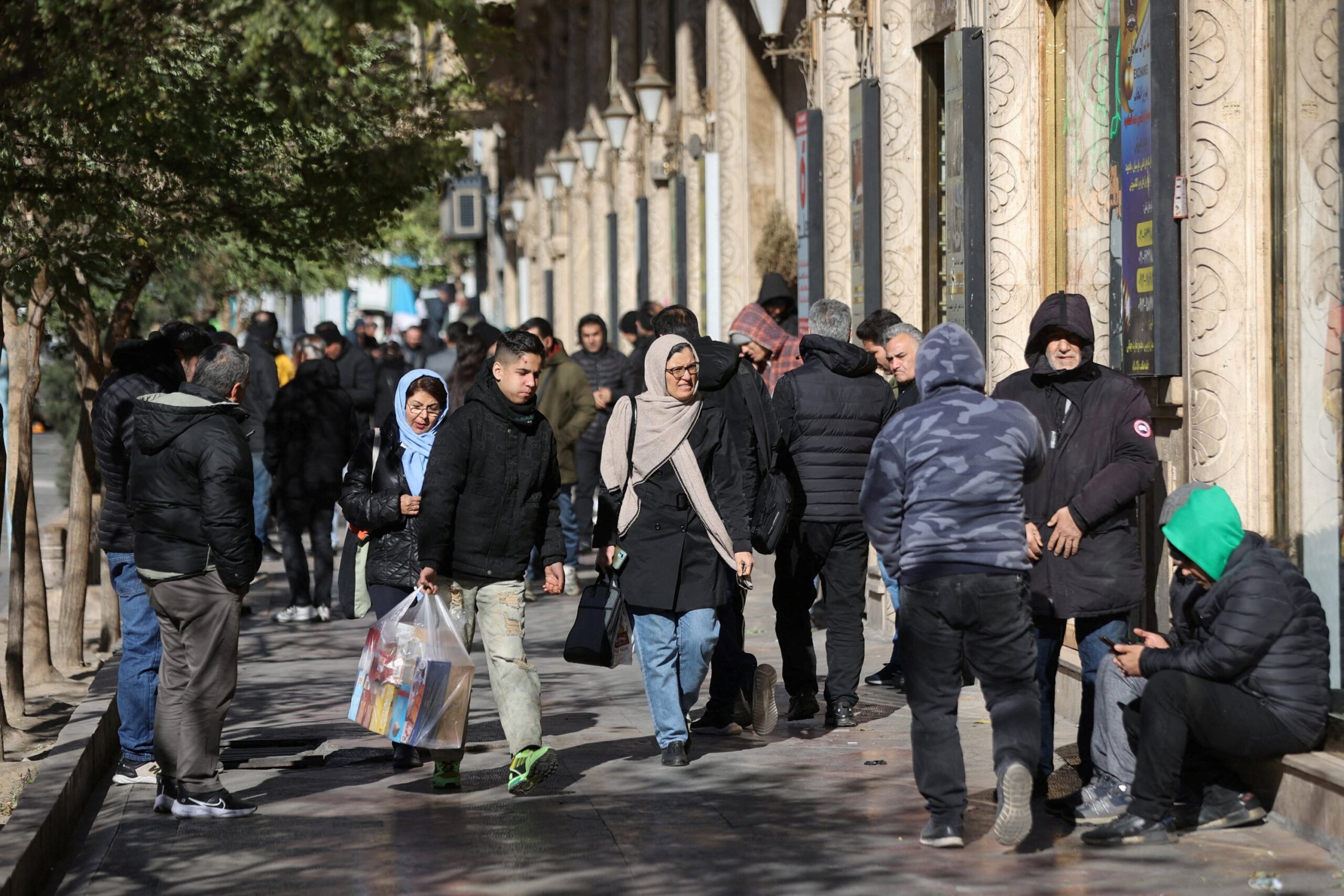
This collapse has driven inflation to over 42% by December 2025, with food prices surging even higher, eroding savings and pushing millions deeper into poverty. Exacerbating factors include renewed international sanctions following the snapback mechanism on Iran’s nuclear program, the economic fallout from the June 2025 Twelve-Day War with Israel (during which U.S. and Israeli strikes targeted nuclear sites), and longstanding mismanagement.
Merchants, reliant on imports, were hit hardest initially, but the unrest quickly resonated with a broader population struggling with basic necessities. Strikes paralyzed Tehran’s Grand Bazaar and spread to markets in cities like Isfahan, Hamedan, and Lorestan.
From Economic Grievances to Political Defiance
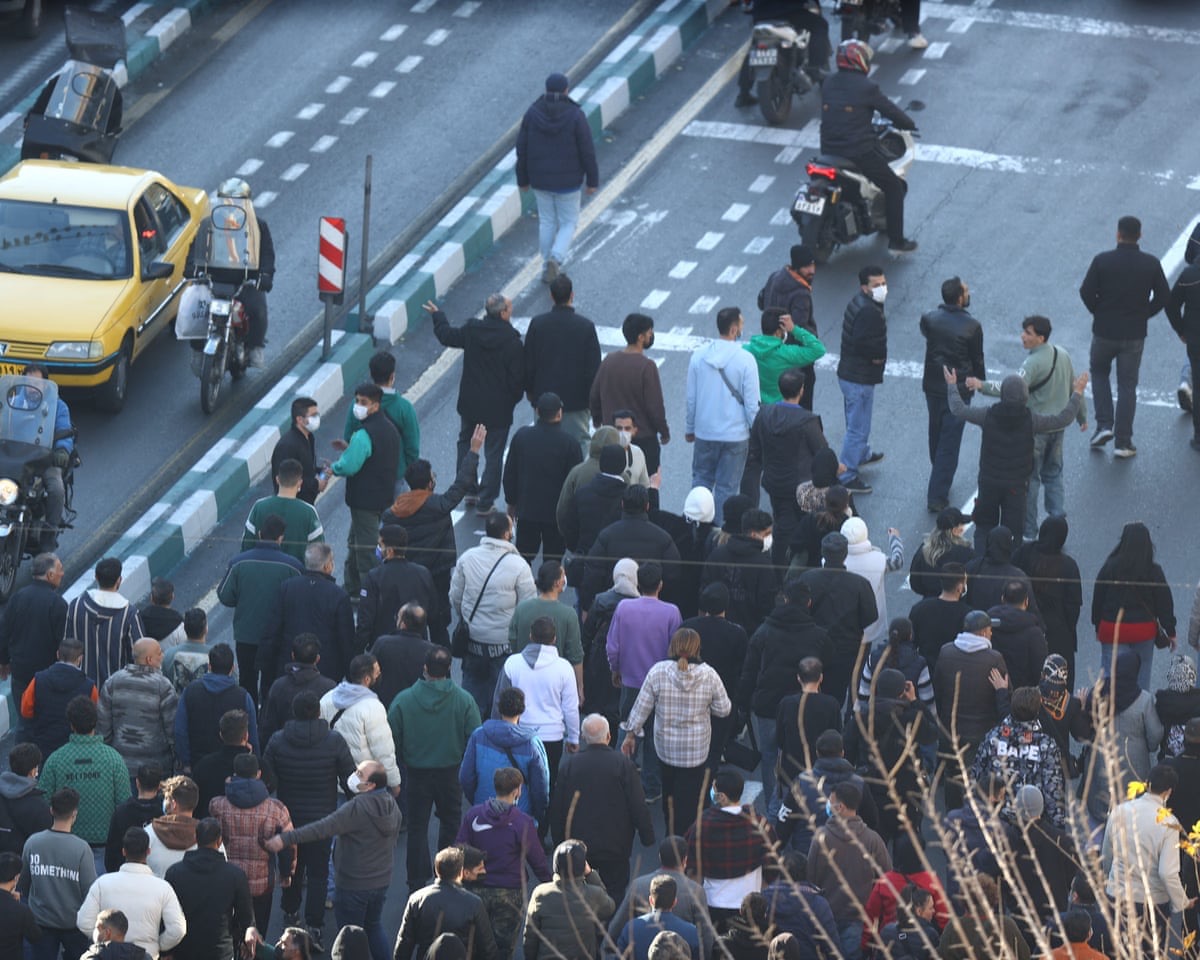
What started as demands for economic justice rapidly evolved into anti-regime slogans. Protesters chanted classics like “Neither Gaza nor Lebanon, my life for Iran”—criticizing the government’s foreign policy priorities—and bolder calls such as “Death to the Dictator,” “Mullahs must get lost,” and even support for restoring the monarchy with “Reza Shah, rest in peace” or references to exiled Crown Prince Reza Pahlavi.
In Qom, the clerical heartland, demonstrators openly rejected the theocracy. Videos showed crowds blocking roads, setting fires, and in some cases storming government buildings. University students joined en masse, paralyzing campuses, while workers and pensioners added their voices to the chorus of discontent.
President Masoud Pezeshkian, a relative reformist, acknowledged the protests’ legitimacy, stating officials must “listen to the legitimate demands” and blaming internal failures rather than solely external forces. His government proposed dialogue and economic reforms, including eliminating subsidized exchange rates for imports and redirecting aid directly to consumers. However, many protesters view these as insufficient bandaids on a systemic wound.
Escalation and Violence: A Deadly Turn
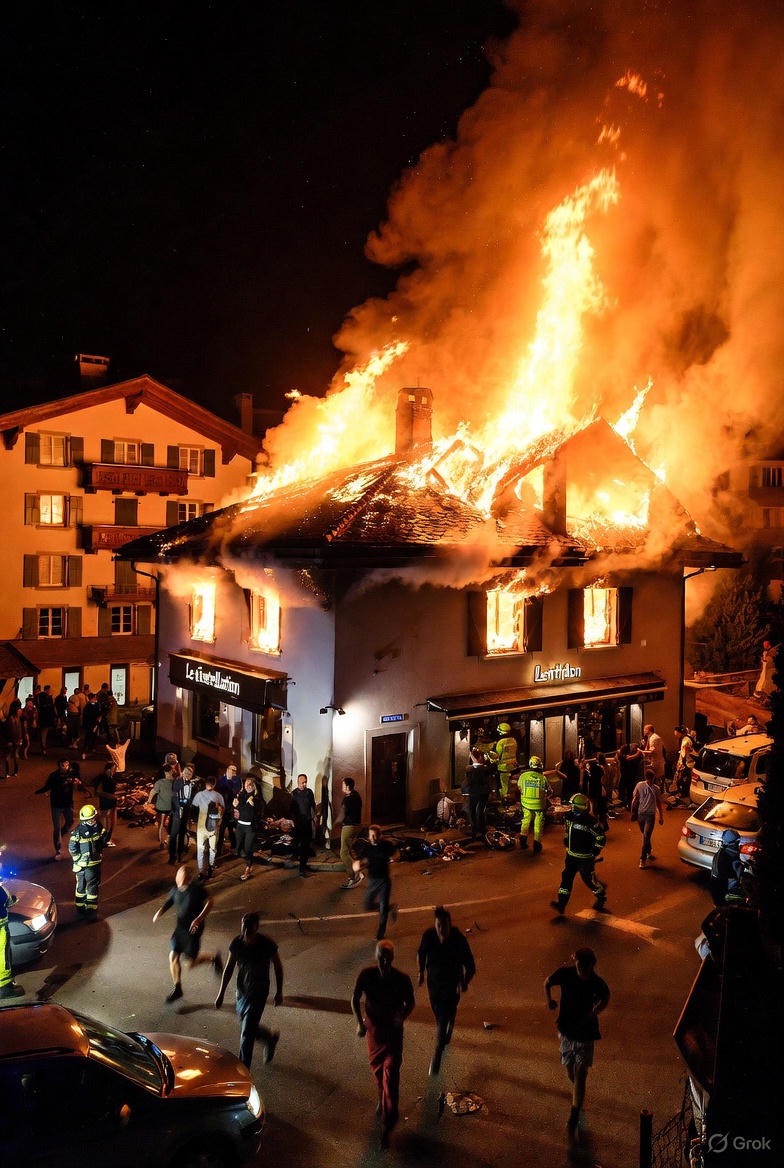
By January 1, the protests turned lethal. Clashes in western and southwestern provinces—particularly in cities like Lordegan, Azna, Kuhdasht, and Isfahan—resulted in multiple fatalities.
State-affiliated media reported a 21-year-old Basij paramilitary volunteer killed in Kuhdasht, with over a dozen security personnel injured. Rights groups like Hengaw countered that some deaths were protesters shot by forces. Reports varied: Fars news cited attacks on police stations leading to protester deaths; eyewitnesses described security forces using live ammunition and tear gas against crowds.
At least six to seven deaths were confirmed across sources, with injuries in the dozens and arrests mounting—dozens detained for “disrupting order,” including alleged links to opposition or monarchist groups. Internet restrictions were imposed in several provinces, limiting information flow.
The Revolutionary Guards (IRGC) warned of confronting “sedition,” while authorities declared holidays and closures ostensibly for energy conservation but widely seen as attempts to empty streets.
Voices from the Streets: Desperation and Defiance
Iranians interviewed anonymously expressed profound frustration. One young protester told international media: “We have it so good!” sarcastically, highlighting the sarcasm born of hardship. Another linked economic woes to regime priorities: resources spent on regional proxies while citizens starve.
Human rights advocates noted the protests’ breadth reflects eroded hope, with poverty lines engulfing more families. Unlike 2022’s focus on women’s rights, this wave unites classes around survival—but shares the same anti-theocratic undercurrent.
Broader Implications: A Regime Under Pressure
This unrest poses a significant challenge to Iran’s leadership as it navigates post-war recovery, nuclear negotiations, and internal divisions. While not yet matching 2022’s intensity or nationwide scope, its rapid politicization and spread to rural areas signal deepening discontent.
International observers watch closely: the U.S. expressed concern over potential violence, while sanctions continue to bite. Analysts warn that without meaningful reforms, sporadic eruptions could coalesce into larger threats.
As night falls on another day of turmoil, Iranians continue demanding change. The flames of economic despair have ignited a broader fire—one that tests the resilience of a system long strained by isolation and mismanagement.
Juba Global News Network will provide ongoing coverage as this story develops.