

Epstein Bombshell: 3 Million Pages Expose Trump’s Thousands of References and Shocking New Images of ‘The Duke
On January 30–31, 2026, the DOJ made public a massive trove exceeding 3 million pages of files, accompanied by approximately 180,000 images and over 2,000
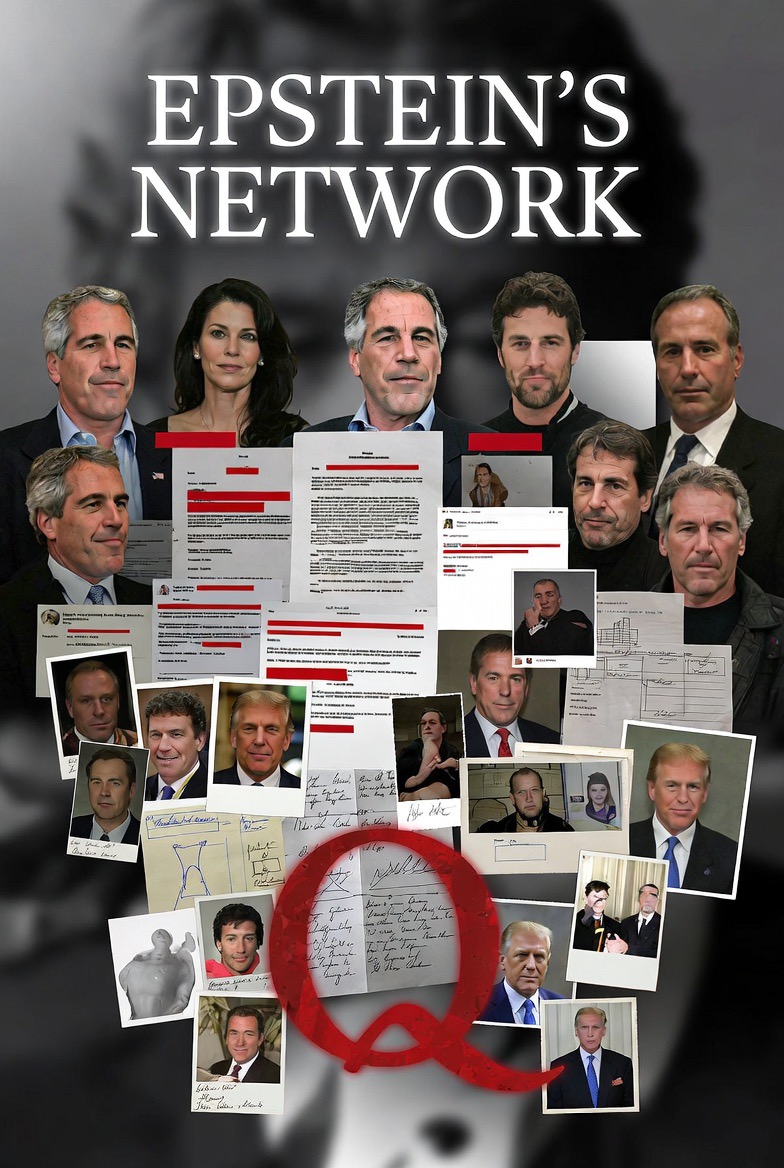
On January 30–31, 2026, the DOJ made public a massive trove exceeding 3 million pages of files, accompanied by approximately 180,000 images and over 2,000 videos. This disclosure, described as the largest single batch to date and likely the final major one, fulfills (albeit belatedly) requirements under the Epstein Files Transparency Act, a bipartisan law signed by President Donald Trump on November 19, 2025. The act mandated the release of unclassified DOJ records related to Epstein’s investigations within 30 days, setting a December 19, 2025, deadline that the department missed due to the sheer volume of materials and the need for extensive redactions to protect victims’ identities.
This release builds on earlier tranches from late 2025 but distinguishes itself through its unprecedented scale and the inclusion of previously unseen emails, photographs, and references that revive scrutiny of Epstein’s ties to powerful figures. Among the most prominent and widely discussed elements are hundreds (and in some reports, thousands) of mentions of President Trump, alongside fresh material involving Britain’s Andrew Mountbatten-Windsor—formerly known as Prince Andrew and the Duke of York—referred to in Epstein’s contacts as “The Duke.” The files have intensified calls for further accountability, particularly regarding Andrew, while Trump’s appearances have prompted renewed debate over his past association with Epstein.
The Path to Transparency: The Epstein Files Transparency Act
The push for full disclosure gained momentum during the 2024–2025 period, fueled by public demands, congressional pressure, and campaign promises. Introduced as H.R. 4405 by Rep. Ro Khanna (D-CA) and others, the bill passed the House overwhelmingly in November 2025 and cleared the Senate via unanimous consent. President Trump signed it into law despite initial reported hesitation, framing it as a step toward ending speculation surrounding Epstein’s case.
The DOJ, under Deputy Attorney General Todd Blanche, emphasized that the release complied with the law without favoritism or redactions to shield prominent individuals. Blanche stated explicitly that the department “didn’t protect President Trump” or anyone else. Still, critics—including some Democrats—have accused the DOJ of withholding roughly half the estimated 6 million total pages and demanded unredacted access for congressional oversight. The files are hosted on the DOJ’s public repository in searchable, downloadable formats across multiple data sets.
Revelations Involving President Donald Trump
President Trump’s name surfaces repeatedly—reports vary from hundreds to over 1,000 or even thousands of mentions—across emails, news clippings, flight logs, FBI notes, and other records. Key points include:
- Emails where Epstein and associates forwarded or discussed articles about Trump, commented on his policies, family, or business ventures.
- Confirmation of Trump’s flights on Epstein’s private jet in the 1990s, consistent with known social ties before their reported rift around 2004.
- Unverified allegations in investigative notes, such as a long-dismissed claim from a woman alleging assault by Trump when she was 13, and accounts from Epstein victims describing brief, non-sexual interactions (e.g., one victim noting Ghislaine Maxwell “presented” her to Trump at a party, with nothing improper occurring).
- Depositions (including from Epstein’s former staff) indicating Trump never overnighted at Epstein’s Palm Beach residence or participated in activities there.
Trump has consistently acknowledged a past friendship with Epstein in New York and Palm Beach social circles but insisted it ended well before Epstein’s 2008 conviction and 2019 federal charges. He has denied any awareness of or involvement in Epstein’s crimes, dismissing sensational interpretations of the files as politically motivated “hoaxes.” The DOJ has stressed that many references stem from media coverage, gossip, or unsubstantiated tips rather than evidence of misconduct.
Spotlight on Andrew Mountbatten-Windsor (“The Duke”)
The files devote substantial attention to Andrew Mountbatten-Windsor, whose Epstein connections have overshadowed him for years. New details include:
- Emails from 2010–2011 between Epstein and an account labeled “The Duke” (widely identified as Andrew, with signatures like “HRH The Duke of York KG”). These discuss potential dinners at Buckingham Palace with “lots of privacy,” Epstein’s offer to introduce “The Duke” to a “beautiful” and “clever” 26-year-old Russian woman described as trustworthy, and follow-ups suggesting ongoing contact post-Epstein’s 2008 guilty plea and house arrest.
- Undated photographs appearing to depict a man resembling Andrew in compromising poses: kneeling on all fours over a fully clothed, unidentified woman lying on the ground, with one or more images showing him touching her abdomen or staring at the camera. The woman’s face is redacted for privacy, and no context, date, or location is provided in the files.
These elements compound existing allegations, including claims by the late Virginia Giuffre (who died by suicide in 2025) that Epstein trafficked her to Andrew for sex at age 17. Andrew has repeatedly denied any wrongdoing, settled a civil lawsuit with Giuffre out of court, and was stripped of his royal titles and honors by King Charles III amid escalating pressure in late 2025.
The photos and emails have sparked fresh outrage. British Prime Minister Keir Starmer indicated Andrew should be willing to testify before U.S. Congress about his Epstein links, arguing refusal dishonors victims. U.S. lawmakers from the House Oversight Committee have reiterated requests for his cooperation, though Andrew has not participated to date.
Broader Context and Reactions
The release also references other notables—Elon Musk (emails and denials of island visits), Bill Clinton (photos and mentions without new allegations), Steve Bannon (friendly texts), filmmaker Brett Ratner (photos with Epstein and others), and various billionaires or political figures—often in benign or tangential contexts.
No major new criminal indictments have emerged directly from this batch, but it underscores Epstein’s extensive reach into elite circles and raises enduring questions about what influential associates knew or overlooked. Victims’ advocates welcome the transparency while highlighting the re-traumatizing effects of publicity. Public and media reactions remain polarized, with some viewing the files as exonerating certain figures and others seeing them as evidence of unchecked privilege.
As the dust settles on what officials call the concluding major disclosure, the Epstein saga continues to fuel demands for justice, reform, and answers about how wealth and connections intersected with exploitation over decades. The files serve as a stark reminder of the long shadow cast by one man’s crimes—and the powerful networks that orbited him.
