

DR Congo and Rwanda Commit to De-Escalation: A Fragile Step Forward in Eastern Congo’s Long-Running Crisis
In a modest but potentially significant development amid years of bloodshed and broken promises, representatives from the Democratic Republic of the Congo
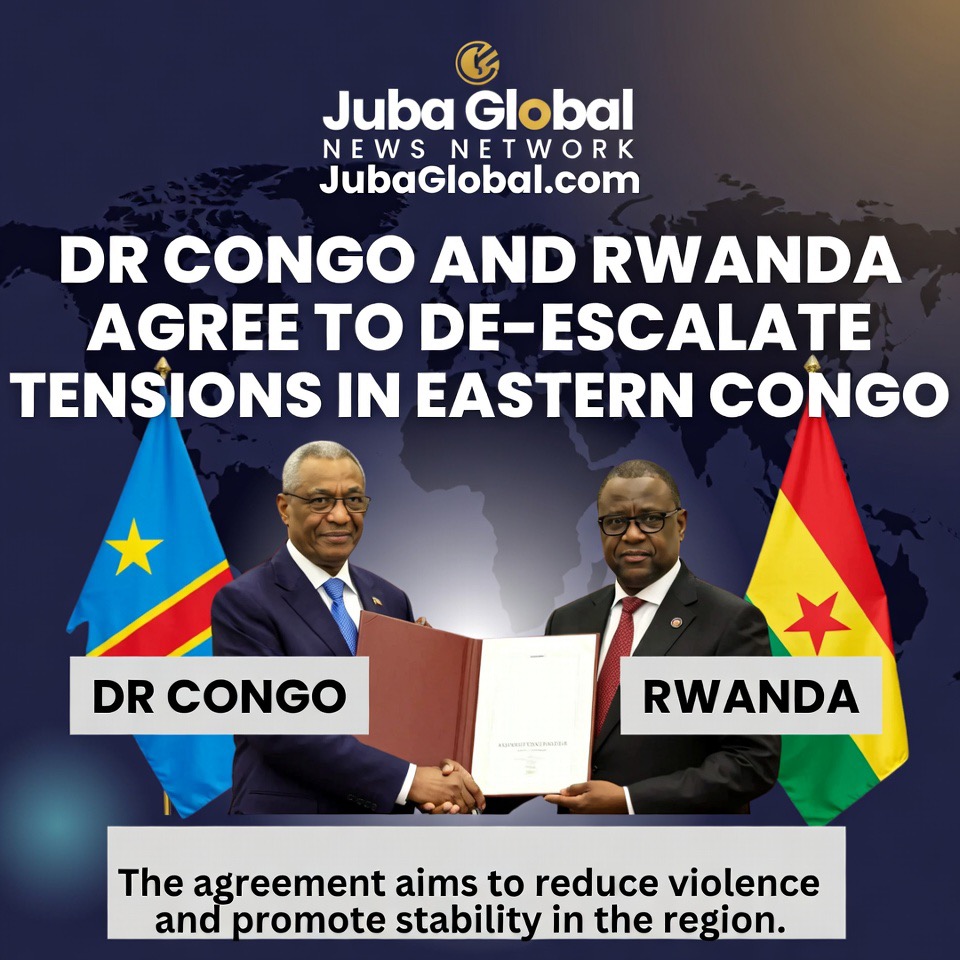
In a modest but potentially significant development amid years of bloodshed and broken promises, representatives from the Democratic Republic of the Congo (DRC) and Rwanda concluded two days of high-level talks in Washington, D.C., on March 17-18, 2026, agreeing to a series of “coordinated steps to de-escalate tensions” in eastern DRC. The agreement, outlined in a joint statement released by the United States, DRC, and Rwanda on March 18-19, comes as efforts to implement a landmark peace deal brokered by the U.S. under President Donald Trump in December 2025 have stalled, with violence persisting and mutual accusations flying between Kinshasa and Kigali.
The talks, hosted by the U.S. State Department, focused on rescuing the faltering Washington Accords for Peace and Prosperity—signed last December by DRC President Félix Tshisekedi and Rwandan President Paul Kagame in a ceremony at the U.S. Institute of Peace. That earlier deal aimed to end Rwanda’s alleged support for the M23 rebel group, neutralize threats from the Democratic Forces for the Liberation of Rwanda (FDLR), and pave the way for regional stability in the mineral-rich but conflict-plagued eastern provinces of North and South Kivu.
The new commitments include:
- A mutual pledge to respect each other’s sovereignty and territorial integrity.
- A scheduled disengagement of forces and lifting of “defensive measures” by Rwanda in defined areas of DRC territory.
- Time-bound and intensified efforts by the DRC to neutralize the FDLR, a Hutu militia group with roots in the 1994 Rwandan genocide, which Rwanda views as an existential security threat.
- Enhanced protection for civilians caught in the crossfire.
These steps are framed as concrete measures to advance the stalled implementation of the broader Washington framework, which also includes U.S.-Qatar mediation and African Union involvement. The joint statement emphasized that both sides remain committed to the original accords despite recent setbacks, including U.S. sanctions imposed on March 2, 2026, against the Rwanda Defence Force (RDF) and four senior commanders for allegedly violating the peace deal by continuing to back M23 with troops, drones, air defense systems, and other equipment.
Rwanda has consistently denied direct involvement with M23, insisting its military presence near the border is defensive and aimed at countering FDLR incursions. Kinshasa, meanwhile, accuses Kigali of orchestrating M23’s advances to control lucrative mining areas and destabilize the region. Independent reports, including from UN experts and Western intelligence, have repeatedly documented RDF support for M23, though Rwanda rejects these as biased.
The conflict’s roots trace back decades. M23, formed in 2012 by defectors from a previous peace process, resurfaced dramatically in late 2024 and early 2025 with rapid territorial gains, seizing Goma (North Kivu’s capital) and Bukavu (South Kivu’s capital) and controlling key coltan, gold, and tin mining zones. The group claims to defend Congolese Tutsi communities against discrimination and attacks by other militias, including those allegedly backed by Kinshasa. Yet its offensives have displaced hundreds of thousands, triggered atrocities, and drawn in regional actors, raising fears of a wider Great Lakes war involving Uganda, Burundi, and others.
Despite the December 2025 accord, violence continued into 2026. M23 briefly entered Uvira near the Burundi border in December 2025 before withdrawing under U.S. pressure. Ceasefire attempts in February 2026 faltered amid ongoing clashes, drone strikes (including a Congolese attack that killed M23 spokesman Willy Ngoma in late February), and militia fighting around strategic sites like the Rubaya coltan mine. Pro-government Wazalendo fighters and FARDC units have launched incursions into M23-held areas, while M23 has repelled attacks and maintained control over urban centers.
The March 2026 Washington talks arrived against this backdrop of escalation and diplomatic pressure. The U.S. sanctions—targeting RDF assets and officials—signaled Washington’s frustration with the lack of progress and served as leverage to bring both sides back to the table. Analysts note that the Trump administration’s direct involvement reflects broader U.S. interests: securing access to DRC’s critical minerals (essential for electronics and green tech), preventing regional spillover, and countering influence from other powers in Africa.
Yet skepticism abounds. Previous agreements have collapsed quickly due to mistrust, incomplete implementation, and the sheer number of armed groups (over 100 in eastern DRC). M23 has not been directly party to these state-level talks, and its leaders have expressed reservations about disarmament without security guarantees. The FDLR, though weakened, remains active, providing Rwanda with a pretext for involvement. Civilians continue to bear the brunt: millions displaced, widespread sexual violence, famine risks in besieged areas, and humanitarian access blocked by fighting.
The joint statement’s emphasis on civilian protection and time-bound actions offers cautious hope. If Rwanda begins verifiable withdrawals and the DRC intensifies credible operations against FDLR (without empowering other abusive militias), it could create breathing room for humanitarian relief and political dialogue. Monitoring mechanisms—potentially involving the U.S., Qatar, and the African Union—will be crucial.
For now, the agreement represents a diplomatic lifeline rather than an end to the crisis. Eastern Congo’s people, weary after decades of war, watch warily as leaders pledge de-escalation once more. True peace will require not just words in Washington but tangible changes on the ground: troops pulling back, militias disarming, accountability for atrocities, and inclusive governance that addresses root causes like ethnic tensions, resource exploitation, and state weakness.
As the region holds its breath, the coming weeks will test whether this latest chapter in the DRC-Rwanda saga marks a genuine turning point—or yet another fleeting pause in an endless cycle of violence.
