Pakistan Beat Sri Lanka by Eight Wickets in Rawalpindi to Seal Their First Test Series Win in Two Years
Chasing just 90, Pakistan finished the job on November 20 with Aamer Jamal unbeaten on 34 and Azan Awais 32 not out, ending a two-year wait for a Test series victory.
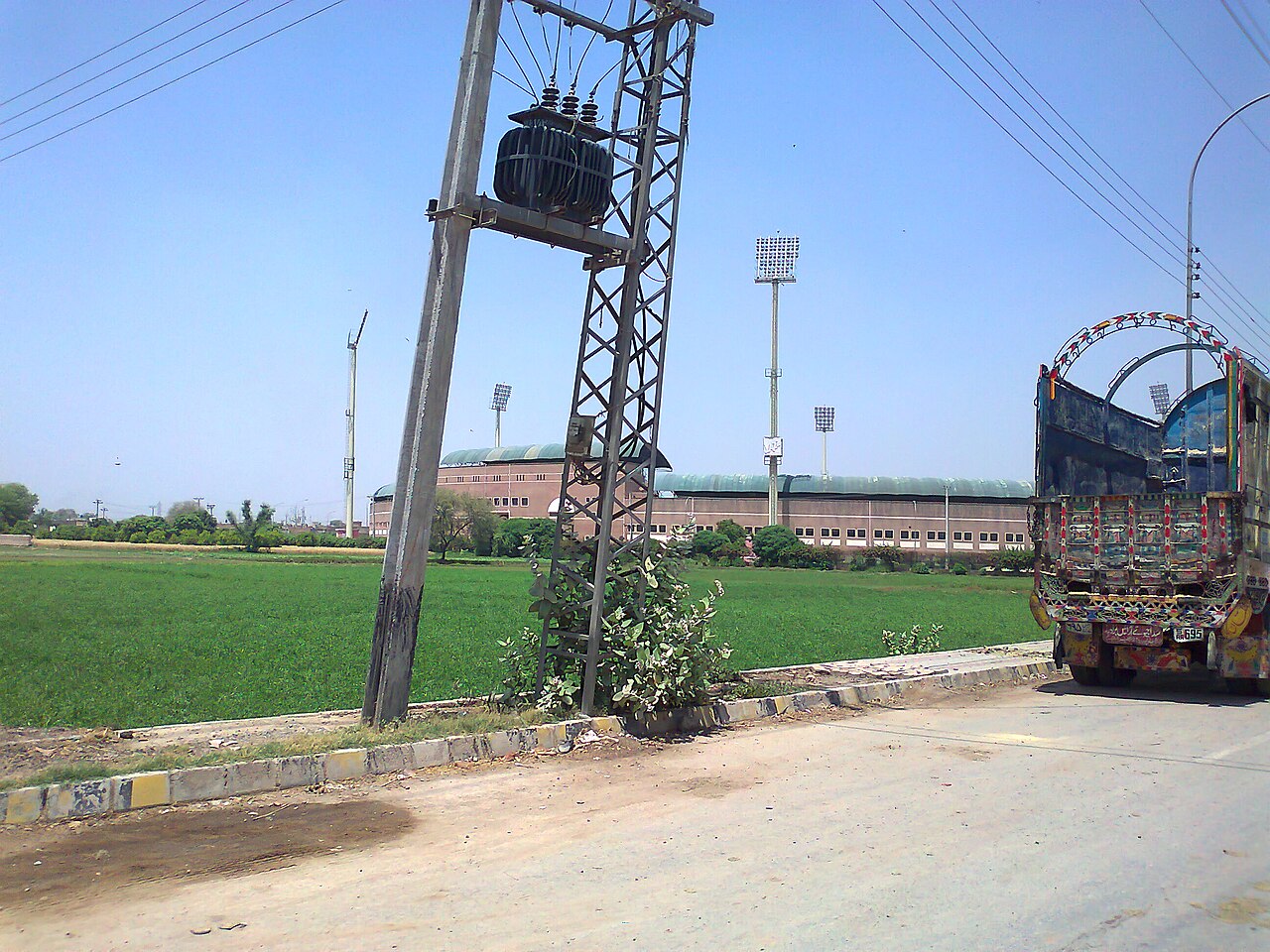
A cricket stadium in Pakistan — Pakistan's eight-wicket win over Sri Lanka in Rawalpindi sealed their first Test series victory in two years. (Photo: Wikimedia Commons, CC BY 3.0 (Multan Cricket Stadium, Pakistan, via Wikimedia Commons))
Chasing just 90, Pakistan finished the job on November 20 with Aamer Jamal unbeaten on 34 and Azan Awais 32 not out, ending a two-year wait for a Test series victory.
Pakistan romped to an eight-wicket win over Sri Lanka in the second Test in Rawalpindi on November 20, 2026, securing their first Test series win in two years and closing out a match that Sri Lanka had fought hard to prolong. Chasing only 90 for victory, Pakistan reached their target with eight wickets in hand, Aamer Jamal finishing unbeaten on 34 and Azan Awais on 32 not out as the home side completed a result that had looked probable for a day but which Sri Lanka's lower order had refused to concede cheaply.
The margin of the final day should not disguise how hard Sri Lanka made Pakistan work to get there. Batting through the third day, Sri Lanka reached 309 for nine and led by 82 runs at stumps, a position built on resistance rather than fluency. Milan Rathnayake made an unbeaten 60, while Kusal Mendis and Sonal Dinusha both scored half-centuries, contributions that turned what might have been a swift finish into a genuine contest and forced Pakistan to return on the final day still needing to bowl, field and then bat with care on a wearing surface.
That resistance, in the end, only delayed the outcome. Once the last wicket fell and the target was set at 90, the chase was a matter of composure rather than drama, and Jamal and Awais provided exactly that, guiding Pakistan home without the late wobble that has undone so many small chases in Test cricket. Losing only two wickets in pursuit of a double-figure target is the mark of a side that understood the assignment: no heroics required, just the disciplined accumulation of a modest total while the match was still, technically, there to be lost.
The significance of the result lies in the series, not only the match. A first Test series win in two years is a milestone that speaks to how difficult the past two seasons have been for Pakistan in the longest format, a period of transition, inconsistency and near misses. Series victories are the currency by which Test sides judge themselves, and ending a drought of that length, at home in Rawalpindi, gives the squad and its supporters something solid to build on rather than another performance to explain away.
For Sri Lanka, the defeat will sting, but the fight shown on the third day offers something to carry forward. A side that reaches 309 for nine from a position of real trouble, with its lower order and middle order both contributing, is not a side that folded; it is a side that was outplayed across the full match but competed to the end of it. Rathnayake's unbeaten 60 and the half-centuries from Mendis and Dinusha will be remembered in the tourists' review as evidence of character, even if they could not change the destination of the series.
Pakistan, meanwhile, can enjoy a rare and welcome headline: a Test series won, decisively, in front of their own crowd. The challenge now is the one that follows every breakthrough result, to make it the start of a run rather than an exception to one. For one afternoon in Rawalpindi, though, that could wait. The chase was completed, the series was theirs, and two years of waiting were over. (Source: Apex Sports News)
Source: Juba Global News Network, reporting Apex Sports News coverage.