Hong Kong Fire That Killed 168 Was Entirely Preventable, Independent Committee Finds
One year after the Wang Fuk Court blaze killed 168 people, the judge-led committee's report blames substandard non-fire-retardant scaffolding nets, foam boards, a likely lit cigarette and failed oversight — findings that led Hong Kong's...
One year after the Wang Fuk Court blaze killed 168 people, the judge-led committee's report blames substandard non-fire-retardant scaffolding nets, foam boards, a likely lit cigarette and failed oversight — findings that led Hong Kong's leader to apologise and the housing secretary to resign.
HONG KONG, Nov 26 — A year ago today, Hong Kong's deadliest blaze in decades engulfed seven high-rise blocks at the Wang Fuk Court housing complex in Tai Po, killing 168 people. The final report of the judge-led independent committee that investigated the disaster concluded that the tragedy was entirely preventable — the product of substandard materials, deception in the building maintenance project and inadequate regulatory oversight.
The fire, which began on the afternoon of 26 November 2025, burned for more than 44 hours, injured 79 people and forced around 4,600 residents from their homes. At its peak the flames spread at about 10 metres per second, a rate the committee described as unprecedented, leaping between towers wrapped in bamboo scaffolding and protective netting for a renovation project that was supposed to make the estate safer.
Evidence showed the fire was most likely caused by a lit cigarette that ignited paper and other combustible material on the flat roof outside two first-floor apartments of Wang Cheong House. The committee heard substantial evidence that construction workers smoked on site, including on the scaffolding, and cigarette butts and partially burned materials were found on the flat roof.
What turned a small fire into a catastrophe, the report found, was what surrounded the buildings. After typhoons damaged the original scaffolding nets in 2025, cheaper non-fire-retardant replacements were chosen as a cost-saving measure at the expense of residents' safety. Experts said that had the nets been fire-retardant, the initial fire might have extinguished itself. Foam boards sealing apartment windows fed the flames further, burning fragments and embers carried on the wind spread the fire to neighbouring blocks, and most of the deaths were caused by smoke inhalation after staircase windows were replaced with panels or boards for workers' convenience, letting smoke into the escape routes. Fire alarms in all eight buildings had been disabled after a staff member of the estate's property manager turned off their power supply, so no alarm sounded on the day.
The 1,154-page report, delivered after 30 days of hearings and evidence from 80 witnesses, named Will Power Architects Company, the project consultant, and Prestige Construction and Engineering Company, the main contractor, as the main culprits, finding that they cut corners and conspired to defraud residents. A month before the fire, Will Power had tipped off Prestige about an upcoming government inspection of the scaffolding nets. The report found indications of bid-rigging in the award of the HK$336 million contract, and Hong Kong's anti-corruption agency has alleged fraud in the project; two building companies have been charged.
Government failure ran alongside corporate failure. The committee found deficiencies in the supervision work of four bodies: the Housing Bureau's Independent Checking Unit, the Buildings Department, the Fire Services Department and the Labour Department. Residents had raised fire-hazard concerns during the renovation, and those concerns, the report found, were ignored.
When the report was released on 29 October, Hong Kong leader John Lee and seven top officials bowed in apology. Lee said Housing Secretary Winnie Ho should bear political responsibility, although no personal wrongdoing was found, and Ho resigned — the first official to step down over the disaster. A three-month investigation will now determine whether individual government employees were derelict in their duties, and the government has announced reforms including criminalising bid-rigging in building maintenance projects and overhauling how complaints are handled. The committee made 120 recommendations in all.
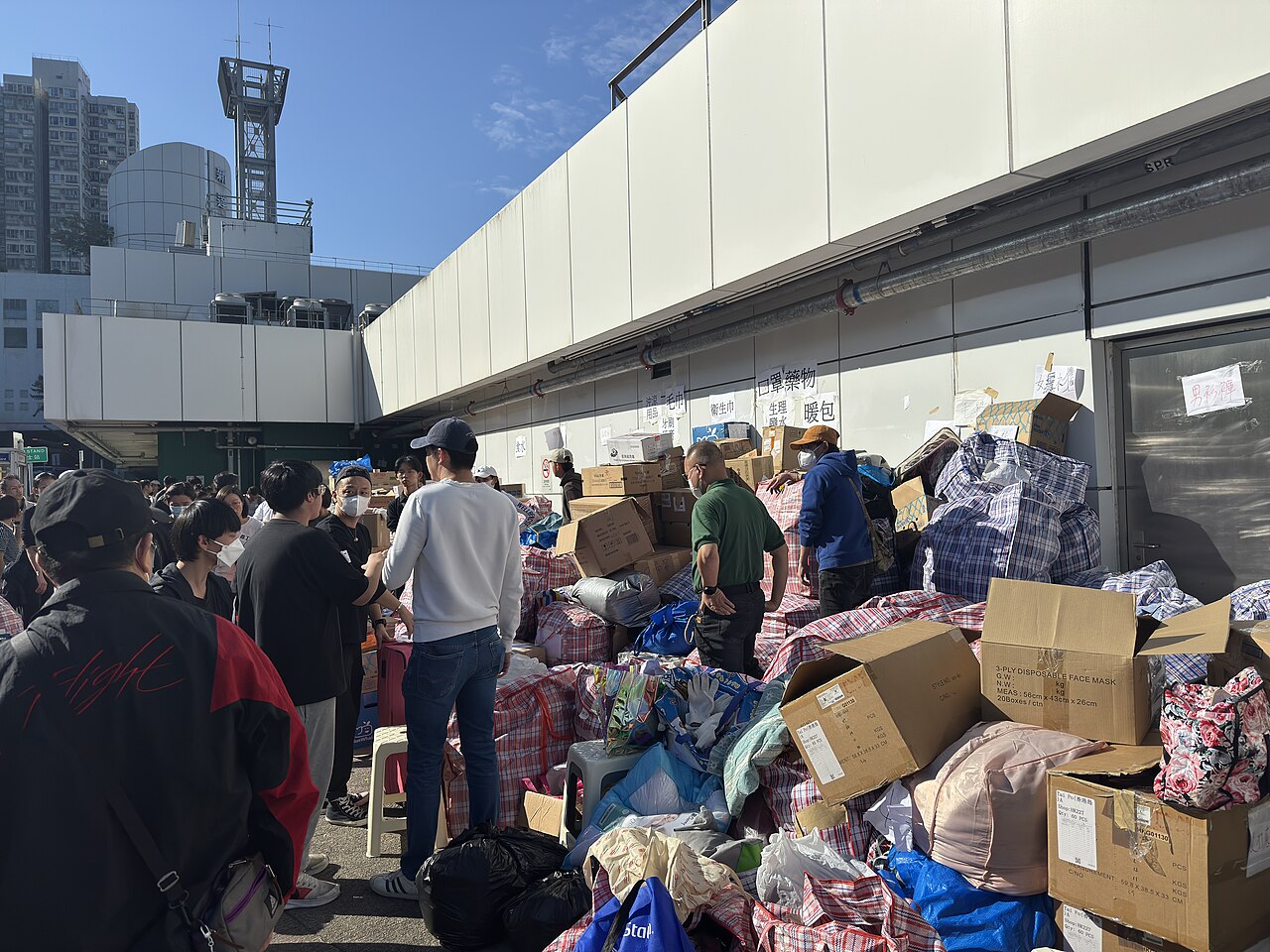
For survivors and victims' families, accountability is still incomplete a year on. Many former residents spent the year displaced, waiting to learn how the government will address responsibility for a disaster that claimed their loved ones and their homes. Their demand, repeated at commemorations this week, is the one the committee's findings now support in official language: that a renovation meant to protect their buildings instead stripped away every layer of protection they had.
Source: Juba Global News Network.