End of the Cheque Queue: Central Bank and Finance Ministry Move Government Payments Onto SSIPSS
The Bank of South Sudan and the Ministry of Finance and Planning have launched a new electronic government payment system aimed at ending the use of physical cheques and improving the efficiency, security and accountability of public…
The Bank of South Sudan and the Ministry of Finance and Planning have launched a new electronic government payment system aimed at ending the use of physical cheques and improving the efficiency, security and accountability of public…
The Bank of South Sudan and the Ministry of Finance and Planning have launched a new electronic government payment system aimed at ending the use of physical cheques and improving the efficiency, security and accountability of public financial transactions.
The South Sudan Interbank Payment and Settlement System, SSIPSS, was launched on Tuesday 24 November in Juba. According to a joint statement by the two institutions, the system integrates the Real-Time Gross Settlement (RTGS) and Automated Clearing House (ACH) platforms with the government's Integrated Financial Management Information System (IFMIS). The RTGS component will handle high-value and urgent payments, while the ACH will process eligible low-value and bulk transactions.
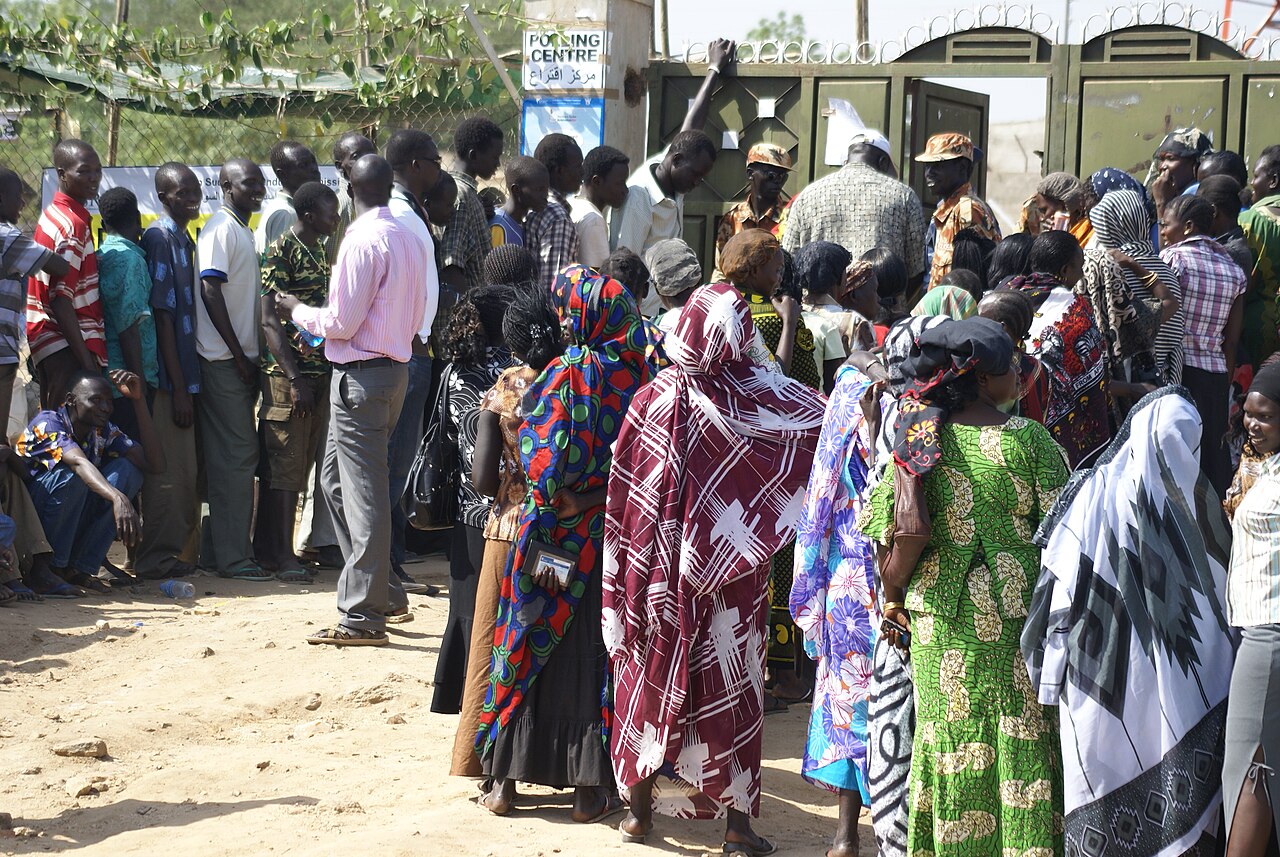
The change is designed to eliminate the long-standing practice of beneficiaries physically visiting the Central Bank with government-issued cheques to follow up on or collect their payments. Instead, payments will be processed electronically and transferred directly into beneficiaries' bank accounts.
That creates one firm new requirement. The Central Bank said all government payment beneficiaries, including suppliers, contractors, institutions and individuals, must have accounts with commercial banks licensed by the Bank of South Sudan to receive payments. Akum David Sabahker, Director of the National Payment System at the Central Bank, explained that having bank accounts would enable beneficiaries to receive their payments directly through the electronic system, eliminating the need to present physical cheques at the Central Bank.
Central Bank Governor Dr Addis Ababa Othow stated that the new system will improve the security and efficiency of financial transactions while supporting the modernisation of the country's payment infrastructure, and that the introduction of electronic payments will reduce dependence on manual processes and improve government payment delivery to beneficiaries. Finance Minister Athian Diing Athian said the system would improve budget execution, strengthen expenditure controls and enhance oversight of public spending.
The reform lands in the same week as the central bank's other big push to formalise the financial system: its 23 November directive giving unlicensed foreign exchange dealers thirty days to regularise their operations under a simplified licensing window, after which unlicensed dealing faces enforcement. Together, the two measures describe a single direction of travel — money moving through identifiable accounts and licensed operators, recorded electronically, rather than through paper instruments and informal channels.
For the people who have queued at the Central Bank with cheques, the benefit is practical before it is technical: no journey, no queue, no paper to lose, and a payment that arrives in an account with a record attached. For the state, the benefit is the record itself. Payments processed through SSIPSS and IFMIS leave a trail that manual cheque handling does not, which is the foundation on which the promised gains in expenditure control and accountability either will or will not be built.
The requirement to hold an account at a licensed commercial bank will be the reform's first test. Suppliers and contractors in Juba will meet it easily; smaller beneficiaries further from the banking network will have to open accounts to be paid at all. How the two institutions handle that transition — and whether anyone is left unpaid while they do — will decide whether the end of the cheque queue is remembered as modernisation or as a new obstacle wearing modern clothes. For now, the direction is set and the launch is done: government money in South Sudan is to move electronically, through licensed banks, from this week forward.