Central Bank Ends Physical Cheques as Government Payments Go Electronic
The Bank of South Sudan and the Ministry of Finance and Planning have introduced an electronic government payment system, SSIPSS, that ends the era of beneficiaries queueing at the Central Bank with paper cheques.
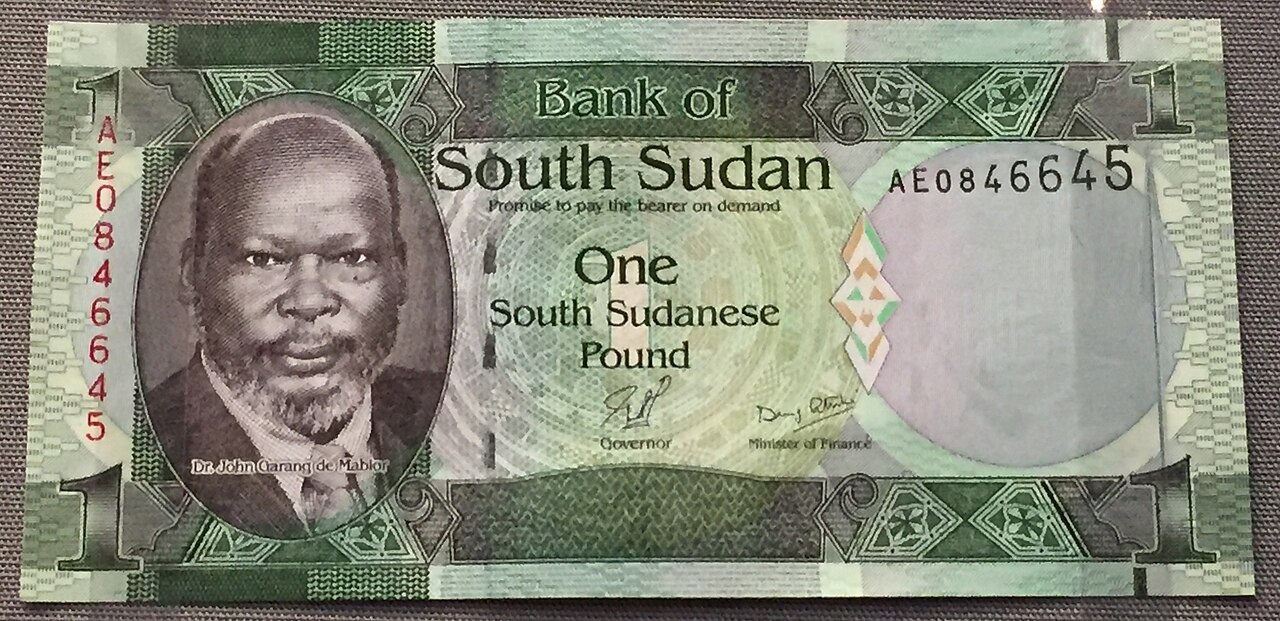
The Bank of South Sudan and the Ministry of Finance and Planning have introduced an electronic government payment system, SSIPSS, that ends the era of beneficiaries queueing at the Central Bank with paper cheques.
The Bank of South Sudan and the Ministry of Finance and Planning have introduced a new electronic government payment system aimed at ending the use of physical cheques and improving the efficiency, security and accountability of public financial transactions.
The system is expected to eliminate the long-standing practice of beneficiaries physically visiting the Central Bank with government-issued cheques to follow up on or collect their payments. Under the new arrangement, payments will be processed electronically and transferred directly into beneficiaries' bank accounts.
Caretaker Minister of Finance and Planning Athian Diing Athian said the system would strengthen public expenditure management, financial controls and accountability by ensuring that government payments are processed through an electronic platform. He criticised the continued reliance on physical cheques, saying South Sudan was lagging behind other countries that had already adopted digital payment systems.
“No central bank in the world except for South Sudan has people lining up with cheques to follow up on payments. Other countries have moved to digital, and this is what we are stopping,” Athian said. He added that the new system would help address the challenges associated with manual cheque processing and promote greater transparency in the management of public funds.
The new arrangement is also expected to address the practice of cheque dealers and intermediaries who collect or follow up on payments on behalf of other beneficiaries, reducing unnecessary movement, delays and possible irregularities in government payment processes.
Known as the South Sudan Interbank Payment and Settlement System (SSIPSS), the platform integrates the Real-Time Gross Settlement (RTGS) and Automated Clearing House (ACH) systems with the Integrated Financial Management Information System (IFMIS). The integration is designed to strengthen coordination between government financial management and the banking system, allowing government payments to be processed electronically through commercial banks.
Central Bank Governor Dr. Addis Ababa Othow said the new system would improve the security and efficiency of financial transactions while supporting the modernisation of the country's payment infrastructure, reducing dependence on manual processes. Akum David Sabahker, Director of the National Payment System at the Central Bank, said all government payment beneficiaries would be required to maintain accounts with commercial banks licensed by the Bank of South Sudan, so that payments can reach them directly through the electronic system. Officials describe the introduction of SSIPSS as an important step in modernising South Sudan's financial sector.
For ordinary beneficiaries — pensioners, civil servants, suppliers and contractors — the practical change is simple but significant: instead of travelling to Juba and queueing at the Central Bank with a paper cheque, payment will arrive in a bank account. Officials acknowledge that this will require many people to open accounts for the first time, and say commercial banks licensed by the Bank of South Sudan will handle the accounts through which the electronic payments flow.
Source: Juba Global News Network.