 Juba Global Editorial
CAPE TOWN, SOUTH AFRICA — A significant development is unfolding in South Africa, drawing attention from regional observers and international stakeholders. Juba Global News Network is monitoring the situation and providing ongoing coverage.

This must be understood against the backdrop of political and social dynamics in South Africa, a country that has seen significant change in recent years.
Latest Developments: What Is Known
Information continues to come in from South Africa as officials and witnesses provide accounts of the situation. Authorities have urged the public to remain calm while investigations proceed. Regional partners have offered support and are coordinating with local authorities. Juba Global News Network remains committed to providing accurate, well-sourced reporting on this developing story.
At its core, this story touches on fundamental questions of governance, security, and economic development that have defined the region’s trajectory. The coming days and weeks will be crucial in determining how events unfold, with multiple scenarios still possible depending on how key actors respond. Diplomatic sources indicate that contingency planning is underway across multiple capitals, with officials preparing for a range of possible outcomes. The situation underscores the interconnected nature of modern geopolitics, where decisions made in one capital can have cascading effects across continents.
International Response
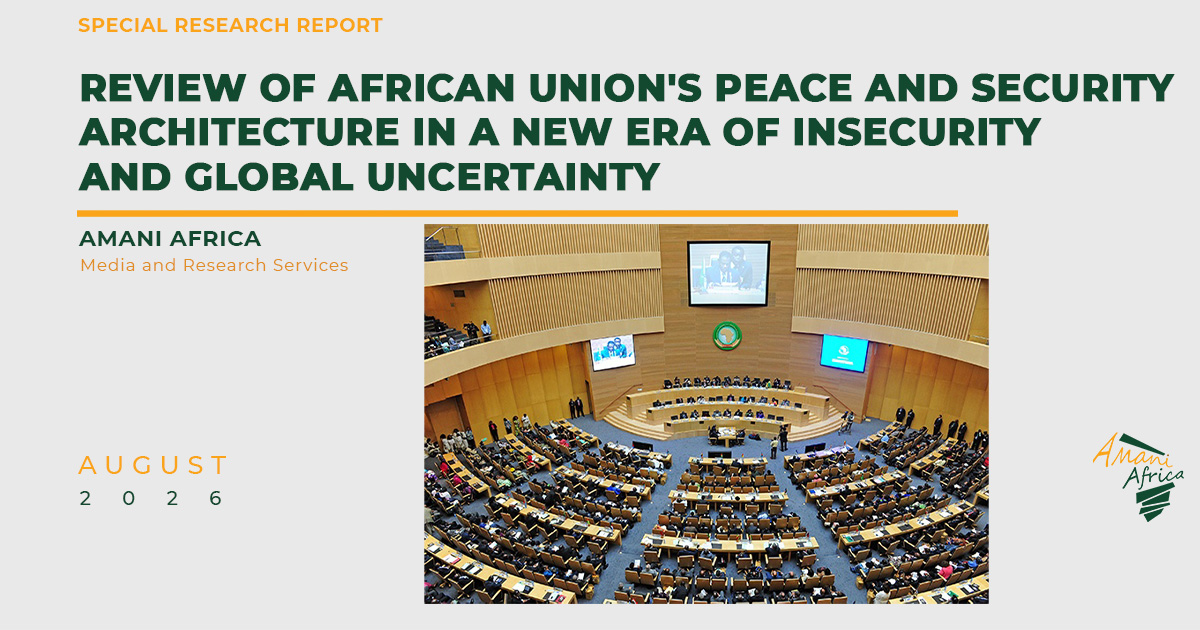
The international community has reacted with a mixture of concern and cautious optimism to these developments. Several world powers have issued statements calling for restraint and dialogue, while regional organizations have convened emergency meetings to coordinate their response. The United Nations has indicated it is closely monitoring the situation and stands ready to provide assistance if requested. Meanwhile, diplomatic sources report that back-channel communications are intensifying as key stakeholders seek to prevent further deterioration of the situation. The African Union Peace and Security Council has placed the matter on its agenda for urgent deliberation, signaling the gravity with which regional bodies are treating this development.
Reactions from the global diplomatic community have been swift and varied. The United States Department of State issued a carefully worded statement expressing hope for a peaceful resolution while reaffirming its commitment to regional stability. China, a major economic partner for many countries in the region, called for restraint and emphasized the importance of respecting national sovereignty. Russia, for its part, has urged all parties to engage in constructive dialogue without external interference. The United Kingdom and France, through their respective foreign ministries, have also issued statements reflecting their particular historical and contemporary ties to the region.
Impact on Communities
For ordinary citizens, the implications of this development extend far beyond the headlines. Market vendors report declining customer traffic as uncertainty takes hold. Transportation costs have begun to fluctuate, affecting the price of basic goods. Community leaders are organizing emergency meetings to discuss how to maintain social cohesion and mutual support during what many fear could be a difficult period. “The resilience of our communities has been tested before,” a community elder said, “but each new challenge reminds us how fragile the peace and stability we have built can be.”
The human cost of instability is measured not just in immediate casualties but in long-term disruptions to education, healthcare, and economic opportunity. Children’s education is often the first casualty of prolonged uncertainty, as families prioritize immediate survival over long-term investment in schooling. Health facilities in many areas operate with limited supplies and staff, and any disruption to supply chains can have life-or-death consequences for patients dependent on regular treatment. “Every day of instability pushes families deeper into vulnerability,” a humanitarian coordinator based in the region explained.
What Happens Next
Looking ahead, several potential scenarios could unfold depending on how key actors respond to this development. In the most optimistic scenario, diplomatic channels remain open and all parties exercise restraint, creating space for negotiated solutions that address underlying grievances. A middle-range scenario would involve periodic tensions and sporadic incidents but ultimately fall short of full-blown crisis, as各方 continue talking while pursuing their interests through a combination of diplomatic and competitive means. The most concerning scenario would involve a breakdown in communication and a spiral of retaliatory actions that prove difficult to contain. Experienced observers note that the next 48 to 72 hours will be critical in determining which trajectory the situation follows.
The situation reflects broader geopolitical currents that have been reshaping the region in recent months. Experts consulted by Juba Global News Network emphasize that understanding the full picture requires examining not just the immediate events but the underlying structural factors that have created the conditions for this development. Historical grievances, economic disparities, competition for resources, and evolving international alliances all play significant roles in shaping the trajectory of events. “You cannot understand today’s developments without understanding the past decade of accumulated tensions and missed opportunities,” noted a regional affairs specialist.
Source attribution: This article incorporates information aggregated from South Africa and other international news sources monitored by Juba Global News Network‘s global news desk. Juba Global maintains full editorial independence and responsibility for the content of this report.
Stay Informed
This report is brought to you by Juba Global News Network. Subscribe for updates | Follow on Facebook | Watch on YouTube
As this story continues to develop, Juba Global News Network will provide sustained, in-depth coverage of all significant developments. Our team of experienced journalists and analysts remains committed to bringing our readers the most accurate, timely, and context-rich reporting available. For continuous updates, follow Juba Global News Network across all our platforms.
Reporting based on information from SouthAfrica and other international news sources monitored by Juba Global News Network.