

China Warns of Spreading ‘Flames of War’ While Welcoming Xi-Trump Summit Amid Iran Conflict
As the US-Israel-Iran war enters its second week on March 9, 2026, China has positioned itself as a vocal advocate for peace and restraint, warning that th
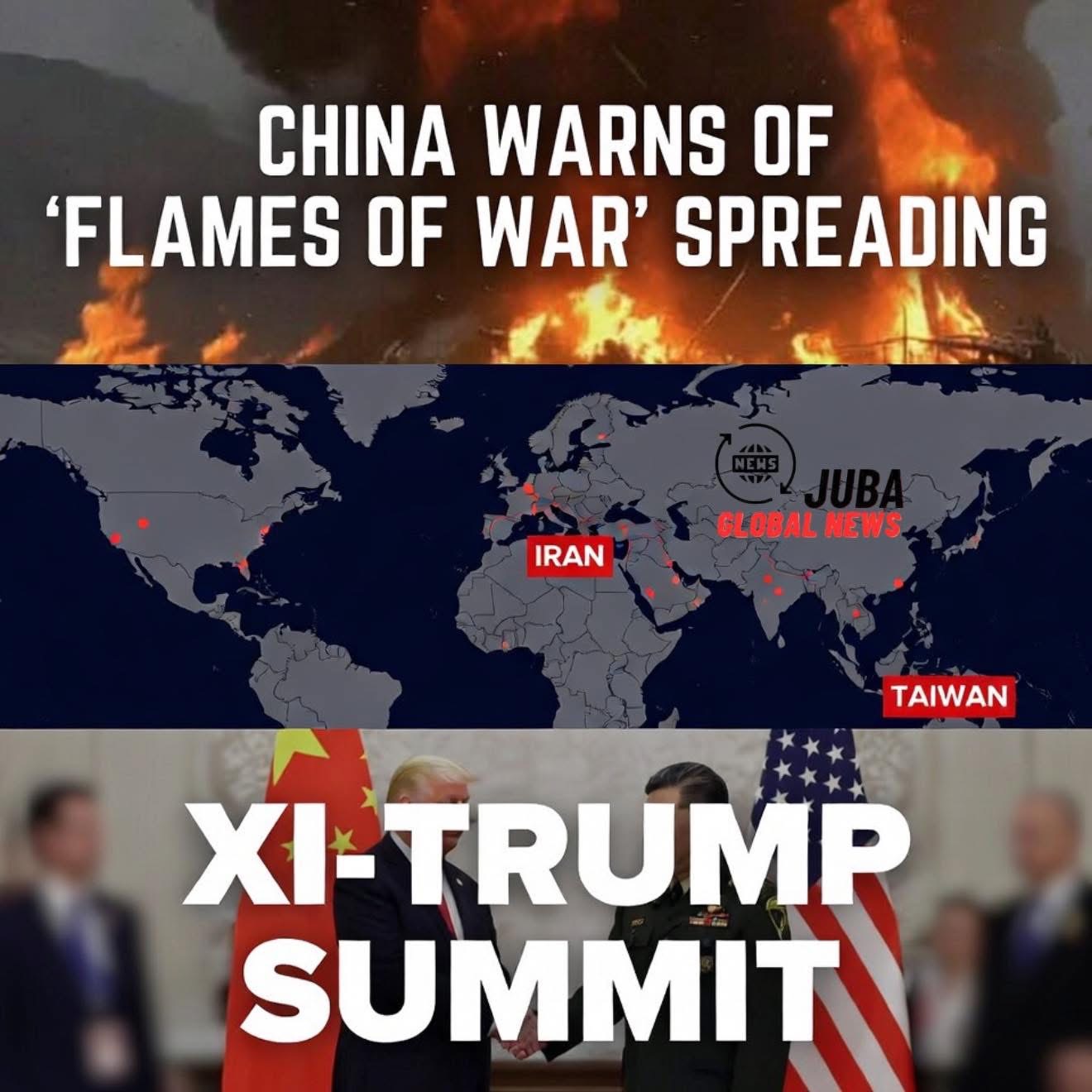
As the US-Israel-Iran war enters its second week on March 9, 2026, China has positioned itself as a vocal advocate for peace and restraint, warning that the “flames of war” are rapidly spreading across West Asia and threatening global stability. In a high-profile address on the sidelines of China’s annual National People’s Congress sessions, Foreign Minister Wang Yi condemned the ongoing US-Israeli military operations against Iran as a conflict that “should never have happened” and “benefits no one,” while calling for an immediate ceasefire to prevent further escalation and spillover.
The remarks come at a delicate moment for Beijing: deeply concerned about the war’s impact on energy supplies, regional alliances, and international order, yet signaling openness to high-level engagement with Washington. Chinese leader Xi Jinping is preparing to host US President Donald Trump in Beijing later this month for a highly anticipated summit expected to address trade tensions, Taiwan, and other bilateral issues—now complicated by the Middle East crisis.
Beijing’s Diplomatic Stance: Defender of Peace Amid Escalation
Foreign Minister Wang Yi, speaking at a Sunday news briefing, framed China as “the world’s most important force of peace, stability and justice.” He reiterated Beijing’s urgent demand for an immediate halt to military actions, emphasizing respect for sovereignty and territorial integrity—not just for Iran, but for all countries in the region.
- Wang explicitly warned against external attempts at regime change or “color revolutions” in Iran, stating that such efforts “will find no popular support” and could worsen instability.
- He condemned the US-Israeli strikes as lacking UN Security Council authorization and violating international law, echoing earlier Foreign Ministry statements opposing unilateral force.
- Beijing has called for protecting shipping through the Strait of Hormuz—vital for global oil flows, including China’s imports—and urged parties to return to dialogue rather than confrontation.
China’s response blends principled criticism with pragmatic restraint. While joining Russia in requesting an emergency UN Security Council session after the war’s outbreak on February 28, Beijing has avoided direct military involvement or binding commitments to Tehran. Analysts note that China lacks significant force projection in the Middle East and prioritizes avoiding entanglement in a conflict it cannot control.
The war has already disrupted energy markets, with oil prices surging past $100 per barrel due to attacks on Iranian facilities and threats to Gulf shipping. As a major importer reliant on Middle Eastern crude, China faces economic risks from prolonged instability, including higher costs and supply uncertainties.
The Xi-Trump Summit: Opportunity Amid Tension
Despite sharp criticism of US actions, Wang struck a conciliatory note toward Washington, signaling that the planned Xi-Trump summit remains on track. He described dialogue as essential to prevent “misunderstandings and misjudgments” that could escalate toward broader confrontation, urging both sides to “treat each other with sincerity and good faith” to make 2026 a “landmark year” for stable US-China relations.
- The summit, tentatively scheduled for late March in Beijing, was already anticipated to tackle trade frictions, technology restrictions, and geopolitical flashpoints like Taiwan.
- The Iran war adds a new layer: Beijing views the conflict as testing US resolve and overextension, potentially creating leverage if Washington becomes bogged down in the Middle East.
- Experts suggest China may see strategic benefits in a prolonged US distraction, while avoiding actions that could jeopardize economic talks or provoke escalation.
Trump has dismissed Iranian leadership changes and vowed intensified strikes, demanding unconditional surrender. China has not endorsed such demands, instead pushing for sovereignty and diplomacy. Yet Wang’s comments indicate Beijing intends to insulate core bilateral ties from the crisis, betting that engagement serves mutual interests more than confrontation.
Broader Implications: A Multipolar Calculus
China’s approach reflects a calculated balancing act. As a strategic partner to Iran—bolstered by a 25-year cooperation agreement—Beijing has upgraded ties with Tehran but stops short of security guarantees. It has evacuated nationals from high-risk areas in Iran and Israel, underscoring caution.
The war highlights Beijing’s broader foreign policy: opposing US-led interventions and regime-change efforts while promoting itself as a stabilizing alternative in a multipolar world. By calling for ceasefires and mediation (including plans for a special envoy), China aims to burnish its image as a responsible global power.
However, limited leverage over US military decisions constrains Beijing’s influence. If the conflict drags on, disrupting global trade and energy, China could face domestic economic pressures while navigating the delicate Xi-Trump dynamic.
As missiles continue to fly and oil prices fluctuate, China’s warnings of spreading “flames of war” serve as both a genuine alarm and diplomatic positioning. With the Xi-Trump summit looming, the coming weeks will test whether Beijing can translate concern into meaningful de-escalation—or if the Middle East crisis further complicates an already fraught superpower relationship.
By: Juba Global News Network | JubaGlobal.com
(Compiled from official Chinese statements, Foreign Minister Wang Yi’s briefing, international reporting, and analyst insights as of March 9, 2026. Diplomatic developments remain fluid amid ongoing hostilities.)
