The Mass Exodus from Akobo: South Sudan’s Fragile Peace Teeters on the Brink in Jonglei State
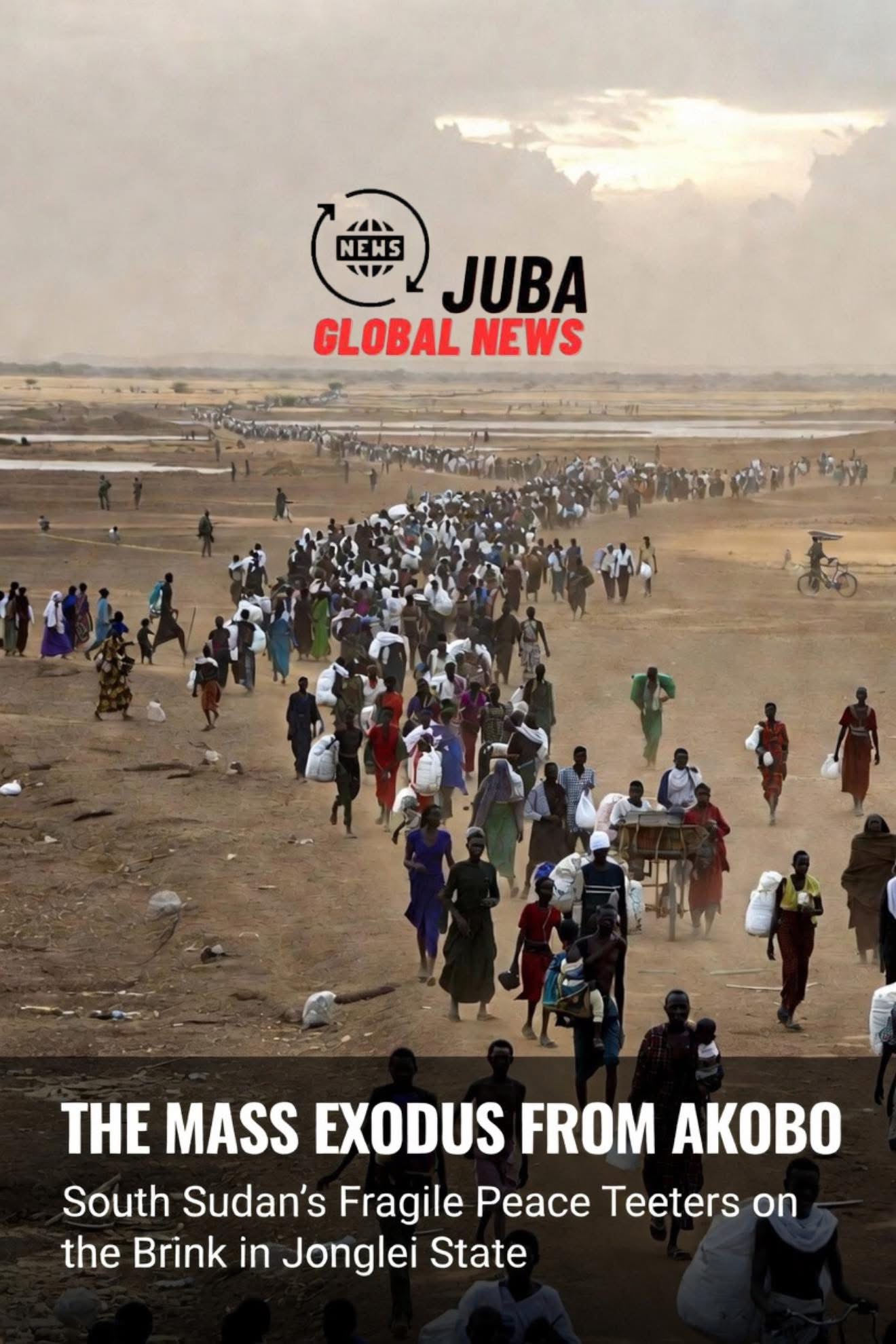
In the remote, swampy expanses of eastern South Sudan, the town of Akobo has long served as a precarious refuge amid cycles of violence that have plagued the world’s youngest nation since its independence in 2011. But in early March 2026, this opposition stronghold near the Ethiopian border became the epicenter of a dramatic and alarming development: thousands of civilians fleeing en masse following a stark evacuation order from the South Sudan People’s Defence Forces (SSPDF), the national army loyal to President Salva Kiir.
The crisis unfolded rapidly. On Friday, March 6, 2026, the SSPDF issued a 72-hour ultimatum demanding that all civilians, humanitarian organizations, and even United Nations peacekeepers from the UNMISS mission vacate Akobo town and surrounding villages. The order was explicit: relocate to government-controlled areas or other “safe locations” ahead of an impending military operation. By Sunday, March 8, local officials reported that Akobo was “almost completely empty.” Women, children, the elderly, and entire families crossed into Ethiopia on foot or by whatever means available, joining what humanitarian sources describe as a chaotic and desperate exodus.
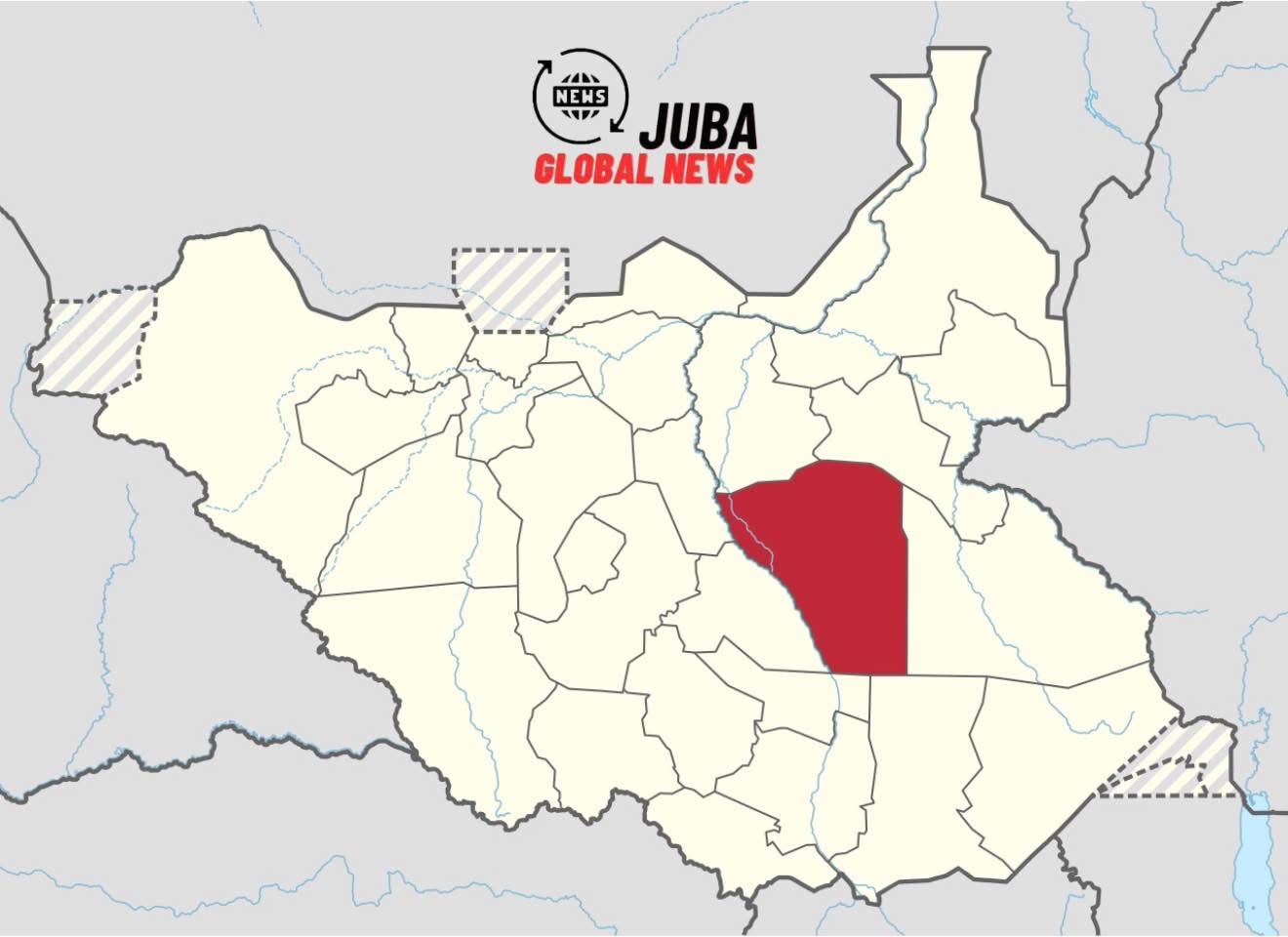
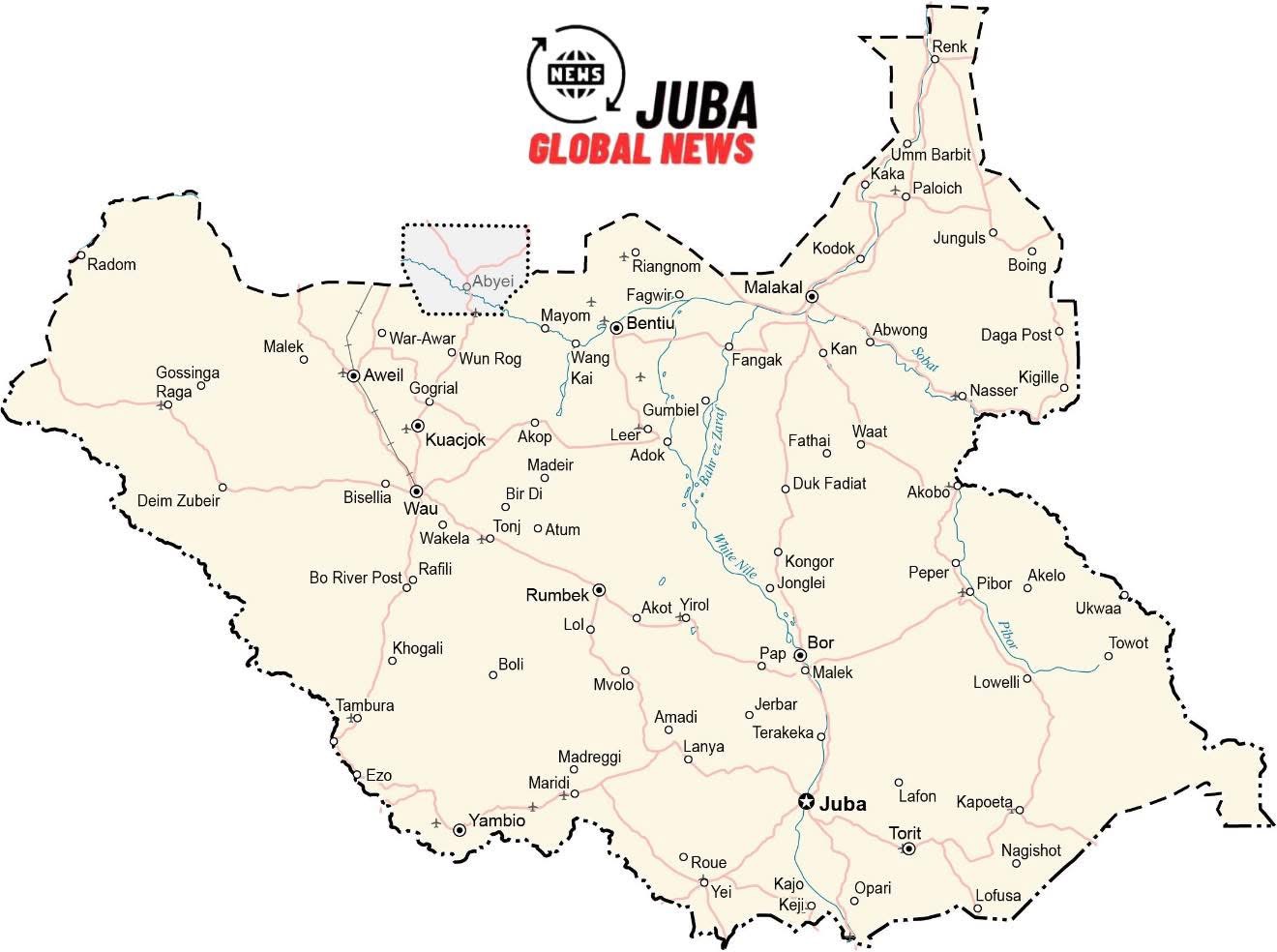
Akobo, located in Jonglei State—one of South Sudan’s most conflict-prone regions—had paradoxically become a relative haven in recent months. Prior waves of fighting in neighboring counties like Nyirol, Uror, and others had driven over 80,000 internally displaced people (IDPs) into the town, swelling its population and straining already limited resources. Many of these displaced individuals had fled earlier intercommunal clashes and skirmishes between government forces and rebels aligned with the Sudan People’s Liberation Movement–In Opposition (SPLM-IO), led by the detained former Vice President Riek Machar. Akobo remained one of the last major holdouts under SPLM-IO influence, making it a strategic flashpoint.
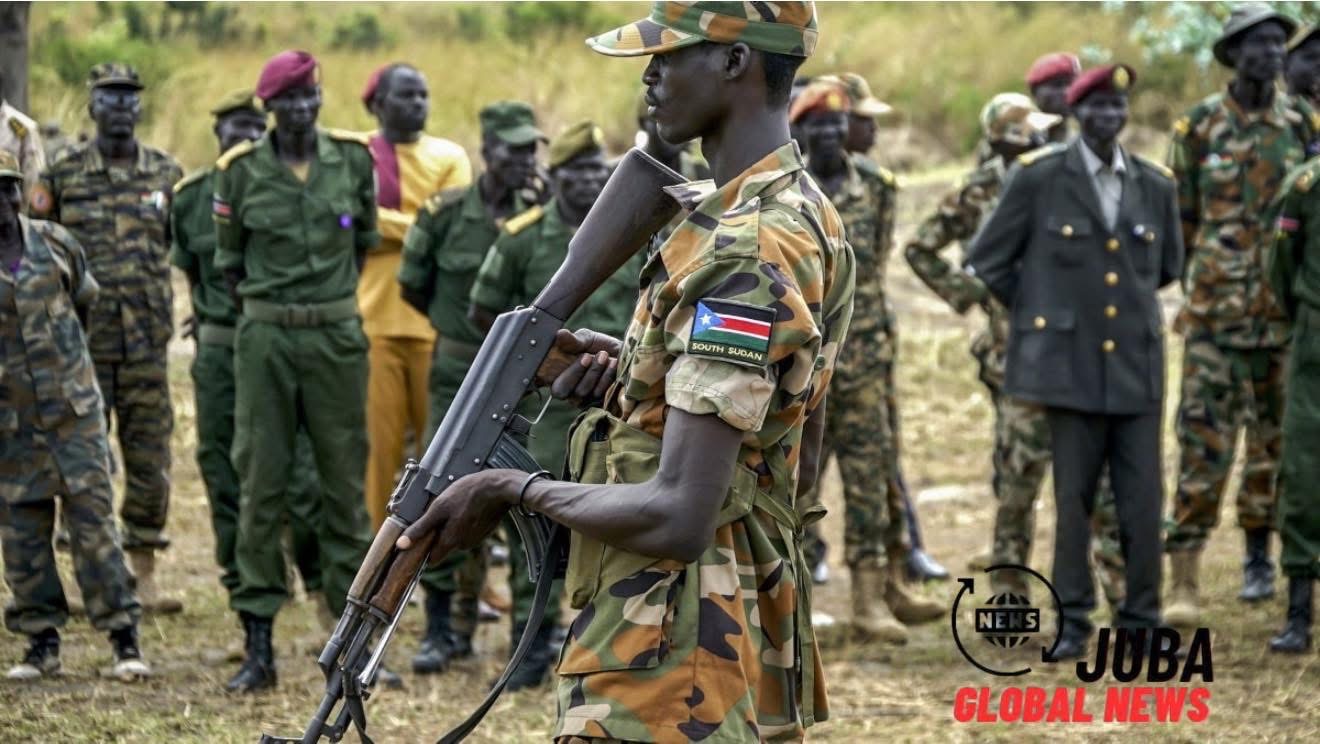
The evacuation order came amid escalating tensions. Reports indicate clashes west of Akobo, including in areas like Kaikuiny, began as early as Saturday, even before the deadline expired on Monday afternoon. Gunfire echoed closer to the town, heightening fears of an all-out assault. The SSPDF framed the directive as necessary to “clear the way for an operation,” with some military communications referring to it as part of “Operation Enduring Peace.” Critics, however, see it as a forced displacement tactic that risks massive civilian harm.
Civil society organizations in South Sudan sounded the alarm early. Groups like the Jonglei Civil Society Network warned that up to 50,000 civilians could be directly affected if the offensive proceeded without restraint. “Roughly 50,000 civilians will be affected in Akobo if this operation continues as planned,” said Bol Deng Bol, executive director of Intrepid South Sudan and chairperson of the network, urging dialogue over military action. Protests erupted in the town on Saturday, with residents marching toward the UN base calling for protection and peace, highlighting deep community anxiety over a potential humanitarian catastrophe.
The broader context is grim. South Sudan’s 2018 peace agreement, which ended the civil war that killed hundreds of thousands and displaced millions, has been unraveling for years. Implementation has stalled, with Riek Machar under house arrest or detention since late 2024, and sporadic violence has flared into more sustained confrontations. In Jonglei, ethnic tensions between groups like the Murle, Lou Nuer, and Dinka have intertwined with political rivalries, fueling cattle raids, revenge attacks, and now direct military engagements. The UN estimates that renewed fighting since late 2025 has displaced over 280,000 people in the region alone, with surges reported in multiple counties.
Humanitarian access, already precarious, faces severe disruption. The order to UNMISS and aid agencies to withdraw from Akobo threatens to sever lifelines for vulnerable populations. Akobo had hosted significant numbers of IDPs reliant on food distributions, medical care, and protection services. With the town emptying and fighting intensifying, many fear a repeat of past atrocities where civilians caught in crossfire or targeted suffered disproportionately. Children, in particular, remain at grave risk—earlier reports from the area described wounded and orphaned toddlers in makeshift hospitals, victims of indiscriminate shootings.
The international response has been muted amid global distractions, including the ongoing Middle East conflict. The United Nations and aid partners have called for de-escalation and respect for civilian protections under international humanitarian law. Yet, with UN peacekeepers ordered out, their ability to monitor or shield civilians is severely limited.
This mass flight from Akobo is more than a local incident; it is a stark indicator of South Sudan’s precarious trajectory. The country’s leaders have repeatedly promised elections and full peace implementation, but actions on the ground tell a different story. As thousands now shelter in Ethiopia or scatter into the bush, the world watches yet another chapter in a protracted humanitarian tragedy. Without urgent diplomatic intervention, dialogue, and restraint, the fragile peace in South Sudan risks collapsing entirely, with civilians bearing the heaviest cost.
The people of Akobo and Jonglei deserve better than ultimatums and exodus. In a nation still recovering from decades of war, the path forward lies not in military dominance but in genuine reconciliation and protection of the vulnerable. Until then, the swamps and borders will continue to swallow the displaced, one desperate step at a time.