

U.S. and Israeli Forces Intensify Assaults on Iran: Targeting Missile Sites, Air Defenses, and Leadership – Campaign Enters Fifth Day
(As of March 4, 2026 – Day 5 of Major Operations) The joint U.S.-Israeli military campaign against Iran, now in its fifth day, has escalated dramatically w
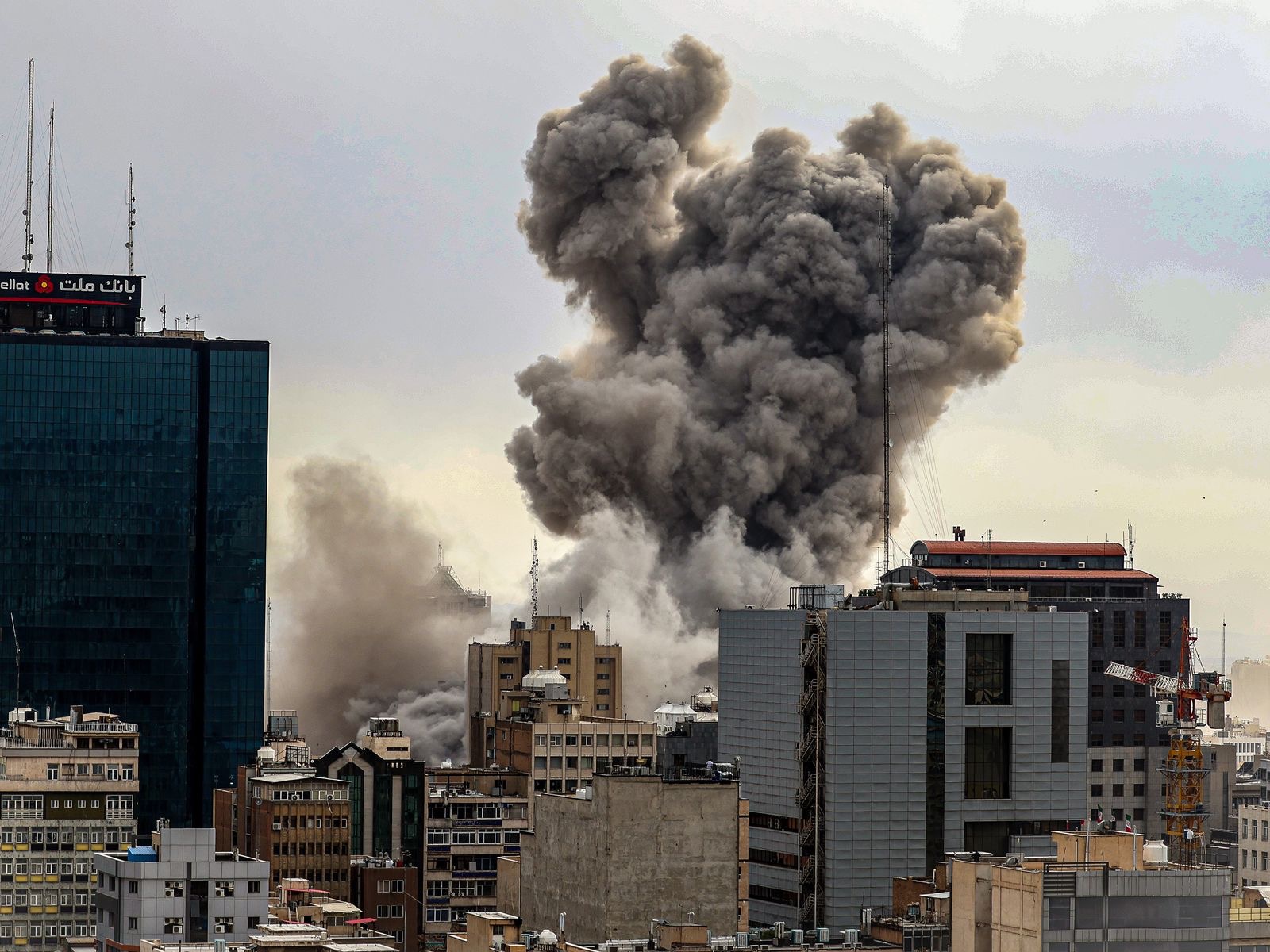
(As of March 4, 2026 – Day 5 of Major Operations)
The joint U.S.-Israeli military campaign against Iran, now in its fifth day, has escalated dramatically with intensified airstrikes focused on crippling Iran’s ballistic missile arsenal, air defense networks, and remaining command structures. What began as a “pre-emptive” operation on February 28, 2026—codenamed Operation Epic Fury by the United States and Operation Roaring Lion by Israel—has evolved into a sustained, high-intensity air war aimed at degrading Tehran’s ability to project power regionally and pursue nuclear ambitions.
Initial Objectives and Rapid Progress
From the outset, U.S. Central Command (CENTCOM) and the Israeli Defense Forces (IDF) prioritized three core goals: suppressing Iranian air defenses to achieve air superiority, degrading Iran’s retaliatory missile and drone capabilities, and disrupting command-and-control systems. Early strikes targeted IRGC facilities, drone launch sites, airfields, ballistic missile bases, and naval assets.
By March 4, the campaign has struck over 2,000 targets across Iran, including sites in Tehran, Isfahan, Kermanshah, Tabriz, and Chabahar. U.S. forces, employing B-1 bombers, fighter jets, Navy destroyers, Tomahawk missiles, and precision-guided munitions like the Precision Strike Missile, have focused on southern and central missile installations. Israel has concentrated on northern and western targets, deploying approximately 200 fighter jets in some of the largest sorties in its history.
A key milestone came from U.S. Admiral Brad Cooper, head of CENTCOM, who declared the operation “ahead of our game plan.” In a video briefing, Cooper noted that the first 24 hours of strikes were nearly double the scale of the opening phase of the 2003 Iraq invasion’s “Shock and Awe.” Iran’s air defenses have been “badly degraded,” its navy rendered largely inoperable after 17 vessels were sunk, and its ability to launch effective counterstrikes is declining while allied combat power builds.
President Donald Trump echoed this optimism, stating the campaign is “substantially ahead of schedule” compared to initial projections of four to five weeks. He emphasized objectives: annihilating Iran’s navy, destroying missile capabilities, ending nuclear pursuits, and halting support for proxy groups like Hezbollah.
Intensified Strikes: Missile Sites and Air Defenses in the Crosshairs
Recent days have seen a sharp focus on Iran’s missile infrastructure. Underground and hardened facilities—many resilient to initial hits—have faced repeated bombings for battle damage assessment and re-targeting. The U.S. has deployed advanced systems, including MQ-9 Reaper drones for real-time targeting over Tehran.
Israel released footage showing precision strikes on missile launchers and command centers in western Iran. Combined efforts have neutralized significant portions of Iran’s ballistic missile stockpile and production capacity, reducing the threat of large-scale barrages against Israel or Gulf allies.
Air defense suppression remains critical. Initial waves destroyed surface-to-air systems, enabling follow-on strikes with minimal losses for allied aircraft. This has allowed deeper penetration into Iranian territory, targeting leadership compounds, IRGC headquarters, and intelligence facilities.
First U.S. Casualties and Iranian Retaliation
The campaign has not been without cost. The Pentagon identified the first U.S. fatalities: six Army Reserve soldiers killed in an Iranian drone strike on a tactical operations center at Port Shuaiba, a civilian port in Kuwait. Initially reported as three, the toll rose as remains were recovered. Named victims include Captain Cody Khork (35), Sergeant Nicole Amor (39), Sergeant Declan Coady (20), and Sergeant Noah Tietjens (42), with two more pending identification.
Iran has launched over 500 ballistic missiles and 2,000 drones in retaliation, targeting U.S. bases in Kuwait, Qatar (Al Udeid), Bahrain, UAE (including Dubai), and Saudi Arabia. Some strikes hit the U.S. Consulate area in Dubai and caused damage elsewhere, though many were intercepted. Iranian proxies, including Hezbollah, have escalated attacks from Lebanon, prompting Israeli counterstrikes in Beirut and Baalbek.
Broader Strategic Shifts and Challenges
As air superiority solidifies, operations may shift toward degrading Iran’s security apparatus (IRGC, Basij, Ministry of Intelligence) to encourage internal unrest and regime change—though Pentagon officials like Elbridge Colby insist the focus remains on missiles, navy, and nuclear threats, not forced nation-building.
Israeli officials privately warn the war could last months, testing U.S. resolve beyond Trump’s optimistic timeline. Democratic senators, after classified briefings, expressed concerns over unclear objectives and risks of ground troops.
Global impacts continue: oil prices soar amid Strait of Hormuz threats, markets tumble, evacuations falter, and airspace disruptions strand travelers.
Uncertain Path Forward
With Iran’s leadership decimated (including Supreme Leader Ali Khamenei) and an interim council in place, the regime vows resistance. Trump has urged Iranians to “take over your government” and hinted at harder strikes ahead. Diplomatic off-ramps remain elusive, with fragmented international responses and fears of wider escalation involving Lebanon, Gulf states, or proxies.
As explosions persist over Tehran and sirens sound across the region, the campaign’s success in degrading Iran’s capabilities is evident—but the path to a stable endgame remains fraught with uncertainty and peril. The coming days could determine if this remains a contained air operation or spirals further.
