

The US-Israel War on Iran: A Rapid Escalation into Regional Conflict(As of March 4, 2026 – Day 5 of Major Operations)
The Middle East has plunged into one of its most dangerous crises in decades. What began as a coordinated “pre-emptive” strike by the United States and Isr
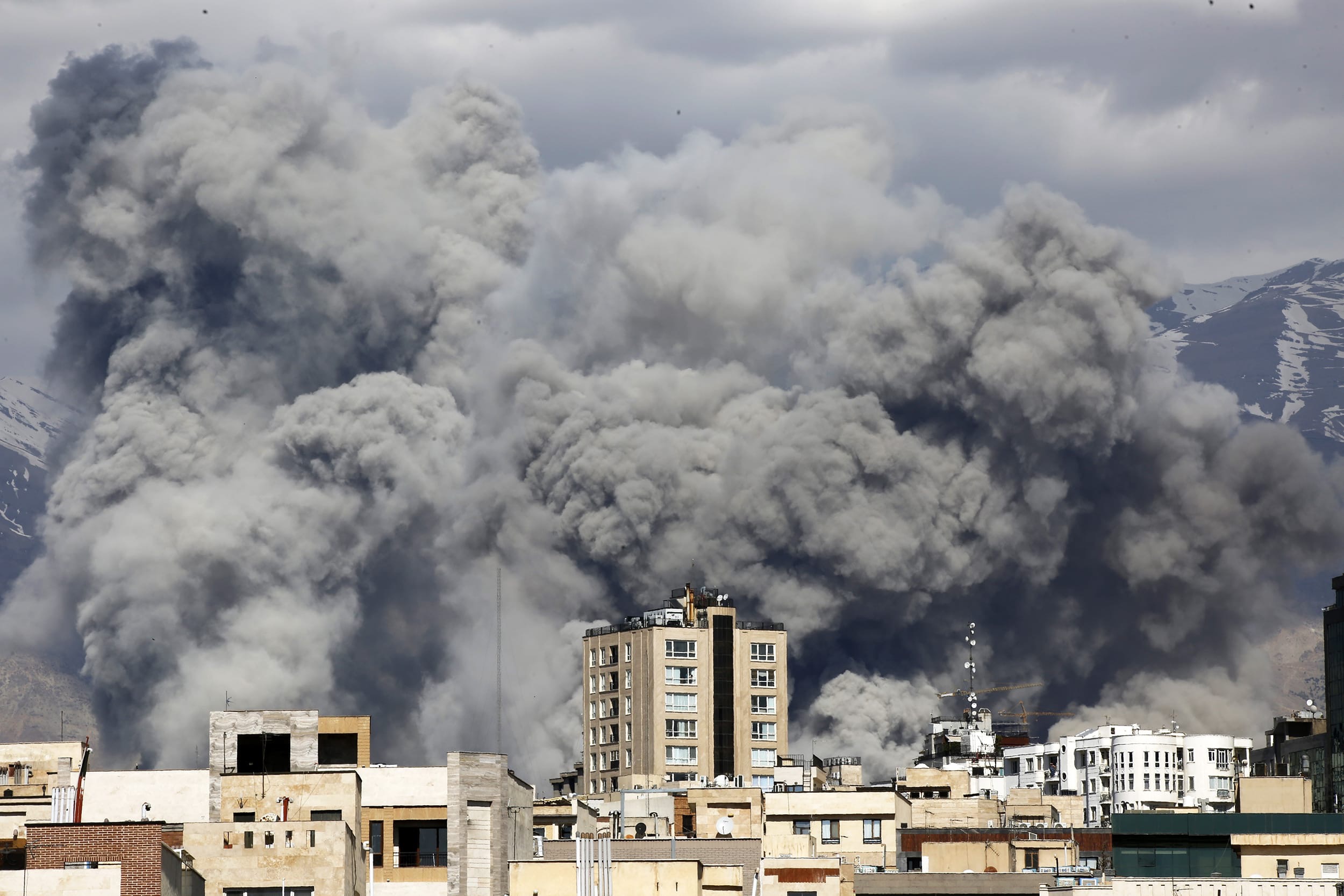
The Middle East has plunged into one of its most dangerous crises in decades. What began as a coordinated “pre-emptive” strike by the United States and Israel against Iran on February 28, 2026, has rapidly evolved into a full-scale war now entering its fifth day. Codenamed Operation Epic Fury by the US and Operation Roaring Lion by Israel, the campaign targets Iran’s leadership, nuclear infrastructure, ballistic missile capabilities, air defenses, and command structures, with the explicit goal of degrading Tehran’s military power and, according to some statements, inducing regime change.
The Spark: February 28 Strikes and Immediate Retaliation
On February 28, joint US-Israeli forces launched massive airstrikes across Iran, hitting targets in major cities including Tehran, Isfahan, Qom, Karaj, and Kermanshah. Israeli Defense Minister Israel Katz described the action as a “pre-emptive attack” to neutralize imminent threats from Iran’s nuclear and missile programs. US Central Command emphasized initial focus on IRGC facilities, drone launch sites, airfields, and air defenses.
Iranian state media quickly reported explosions in Tehran and other locations, with footage showing smoke rising over government buildings and military sites. The strikes killed key figures, including Supreme Leader Ali Khamenei (confirmed in multiple reports), IRGC commanders, and defense officials. Civilian casualties mounted rapidly, with Iranian sources claiming over 1,000 deaths in the opening days, including devastating incidents like a strike on a girls’ school in Minab that killed dozens of children.
Iran responded swiftly. Within hours, it launched waves of ballistic missiles and drones targeting US military bases and assets across the region. Gulf states hosting American forces—UAE (including Dubai and Abu Dhabi), Qatar (Al Udeid Air Base), Bahrain, Kuwait, and others—came under fire. Reports confirmed hits on the US Consulate in Dubai and damage at Al Udeid in Qatar. Debris from intercepts disrupted airports in Dubai, forcing flight cancellations and injuring civilians. Iran declared “complete control” over the Strait of Hormuz and threatened commercial shipping, raising immediate fears of a global energy crisis as oil prices spiked.
Escalation Through March: Waves of Strikes and Widening Fronts
By March 2–3, Israel announced new “broad waves” of strikes on Tehran, targeting security headquarters, the armed forces’ central command, broadcasting facilities, and missile sites. US B-1 bombers joined in hitting ballistic missile factories and navy assets. Video released by the Israeli Air Force showed precision strikes on headquarters in Tehran, with plumes of smoke visible across the capital.
Iran’s retaliation expanded: missile barrages reached Israel, Hezbollah intensified attacks from Lebanon (with Israeli counterstrikes in Baalbek and other areas), and drones struck additional US sites. A top US commander described operations as “ahead of game plan,” while President Donald Trump stated the campaign was “substantially ahead of schedule” and predicted it could last four to five weeks—or longer. Trump rejected claims that Israel forced US involvement, insisting Iran posed an imminent threat and that the US struck first to prevent worse outcomes.
Civilian suffering has intensified. Iranian reports highlight strikes on residential areas, a police station, and cultural sites in Tehran. Footage from government-organized tours showed rubble being cleared from damaged buildings. In Israel and Gulf states, sirens sounded amid intercepts and debris fallout.
Markets reacted sharply: oil prices surged on Strait of Hormuz fears, stock exchanges in the UAE paused trading (resuming March 4), and global shares tumbled. Thousands of Americans and other foreigners remain stranded in the region as evacuations falter amid airport closures and ongoing attacks.
Political and Diplomatic Fallout
Trump has defended the war vigorously, urging Iranians to “take over your government” and warning of “harder hits” to come. He has not ruled out ground troops, though Democratic senators expressed alarm after briefings, fearing a prolonged conflict without clear objectives. Secretary of State Marco Rubio emphasized regime threats, while conflicting explanations emerged between Trump and aides.
Allied responses vary: Canada’s Prime Minister Mark Carney offered support “with regret,” citing Iran’s nuclear and terrorist threats but noting inconsistency with international law. European leaders appear fragmented, with some allowing temporary NATO-related deployments. China, during its “two sessions,” signaled economic concerns and a desire for US communication while vowing to defend “red lines.” The UN Secretary-General called for de-escalation and a “way out.”
Iran’s leadership vacuum persists, with an Interim Leadership Council reportedly taking over amid mourning for Khamenei. Protests against the war have erupted globally, including in Venezuela.
Broader Implications and Uncertain Horizon
This conflict marks a dangerous turning point. The assassination of top officials, widespread civilian casualties, and spillover into Lebanon, Gulf states, and shipping lanes risk drawing in more actors. Energy security hangs in the balance, with potential global economic shocks. Regime change remains a stated or implied goal for the US and Israel, but experts warn of unpredictable outcomes, including chaos or a successor regime equally hostile.
As explosions continue in Tehran and sirens echo across the region, the war’s trajectory remains fluid. Diplomatic off-ramps appear distant, and the coming days could determine whether this remains a contained air campaign or spirals into a wider Middle East conflagration. For now, the world watches with growing anxiety.
