North Korea’s Kim Jong Un Reviews Military Progress at Key Party Congress: A Showcase of “Remarkable Successes” Amid Heightened Regional Tensions
Pyongyang, February 21, 2026 — North Korean leader Kim Jong Un has taken center stage at the Ninth Congress of the ruling Workers’ Party of Korea (WPK), the country’s most significant political gathering held roughly every five years. On the second day of the congress, which opened on February 19, Kim delivered a detailed review of national progress over the past five years, hailing what state media described as “remarkable successes” and a “great transformation” across politics, the economy, culture, defense, diplomacy, and other fields.
The Workers’ Party Congress, attended by approximately 5,000 delegates in Pyongyang, serves as the supreme decision-making body for setting long-term policy directions, reviewing performance, and potentially adjusting leadership roles under Kim’s unchallenged authority. This ninth congress follows the eighth in 2021, which occurred amid the COVID-19 pandemic and economic isolation, making the current event a pivotal moment for Kim to project confidence and outline ambitions for the 2026–2030 period.
A Review of “Great Transformations”
State media outlet Korean Central News Agency (KCNA) reported that Kim, as General Secretary of the WPK, began a comprehensive assessment of achievements since the previous congress. He emphasized overcoming the “worst difficulties” faced during the pandemic and sanctions era, transitioning the nation into a phase of “optimism and confidence in the future.” While specifics remained limited in initial reports—typical of North Korean state messaging—the review highlighted broad gains in multiple domains:
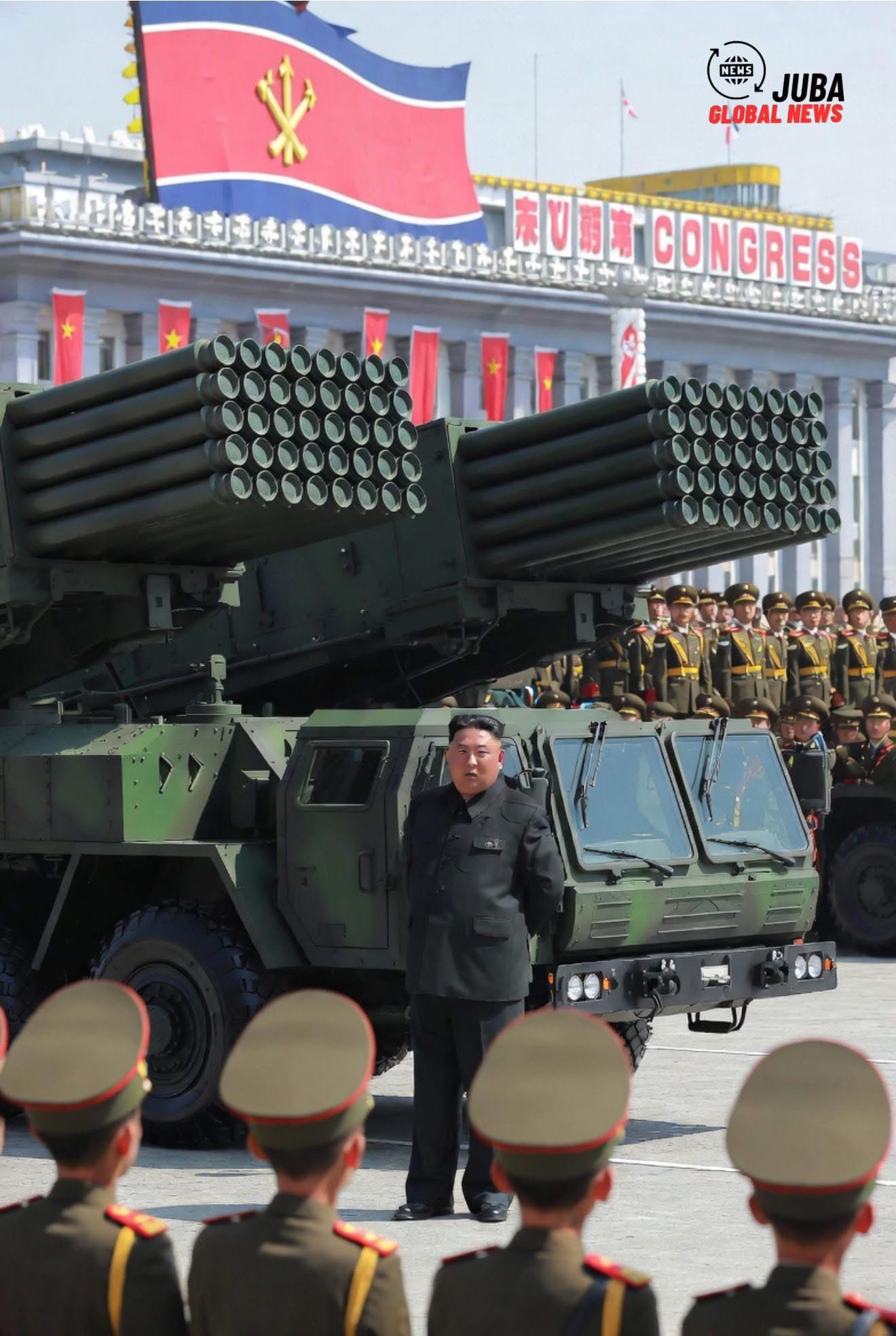
- Defense and Military Modernization — Kim has repeatedly stressed “self-reliant defense” as a core pillar. Ahead of the congress, he oversaw ceremonies unveiling and deploying advanced systems, including 50 new tactical nuclear-capable short-range missile launchers and 600mm-caliber multiple rocket launchers incorporating AI technology. These displays signal continued acceleration of asymmetric capabilities—nuclear weapons, ballistic missiles, and emerging technologies—to deter perceived threats from the United States and South Korea. Analysts expect the congress to formalize the “next phase” of military goals, potentially including expanded production of hypersonic missiles, submarine-launched ballistic missiles, and conventional upgrades like new warships and anti-air systems.
- Economic and Construction Progress — Kim opened the congress by pledging to “boost economic construction and the people’s standard of living,” framing it as an “urgent historic task.” He claimed significant accomplishments in improving economic activity and regional standing, despite ongoing international sanctions and isolation. Recent propaganda has touted housing projects, infrastructure developments, and resilience against external pressures.
- Diplomacy and Regional Positioning — North Korea has deepened ties with Russia and China, receiving congratulatory messages from both for the congress. Alignment with Moscow—amid reports of North Korean troops supporting Russia’s war efforts in Ukraine—has bolstered Pyongyang’s leverage, providing access to technology, resources, and diplomatic cover.
Military Focus and Regional Security Implications
Defense remains the congress’s most closely watched aspect. Kim’s pre-congress rhetoric described 2026 as a “year of transformation” for the Korean People’s Army (KPA), vowing to “widen” the fighting front and accelerate renewal of capabilities to “strongly subdue any threats.” Analysts interpret this as a commitment to parallel development of nuclear and conventional forces, building on recent tests and deployments.
The timing coincides with heightened regional tensions:
- Ongoing U.S. military buildup in the Middle East and Pacific.
- South Korea’s monitoring of potential succession signals (including Kim’s daughter Kim Ju Ae).
- Broader U.S.-China rivalry and sanctions enforcement debates.
A military parade showcasing new weapons is widely anticipated as part of the congress, serving both domestic propaganda and external signaling.
Broader Context: Consolidation of Power and Repression Concerns
Human Rights Watch and other observers warn that the congress may reinforce repressive policies, including tightened controls on youth, information flows, and forced labor practices. Kim’s emphasis on ideological loyalty and sacrifice aligns with efforts to suppress dissent and channel resources toward state priorities.
As the congress continues over several days, it will likely produce key resolutions on defense plans, economic targets, and possibly leadership adjustments. For now, Kim Jong Un’s review projects an image of steady progress and unyielding resolve—portraying North Korea as a rising power amid global uncertainties. The world watches closely for concrete announcements on nuclear policy, military modernization, and any shifts in Pyongyang’s stance toward dialogue or confrontation.