

Tensions Rise: Ghana Expels Israeli Nationals Amid Allegations of Espionage and Diplomatic Strain
By Juba Global News Network | December 11, 2025 Tensions between Ghana and Israel just took a sharp turn, as Ghanaian authorities expelled several Israeli
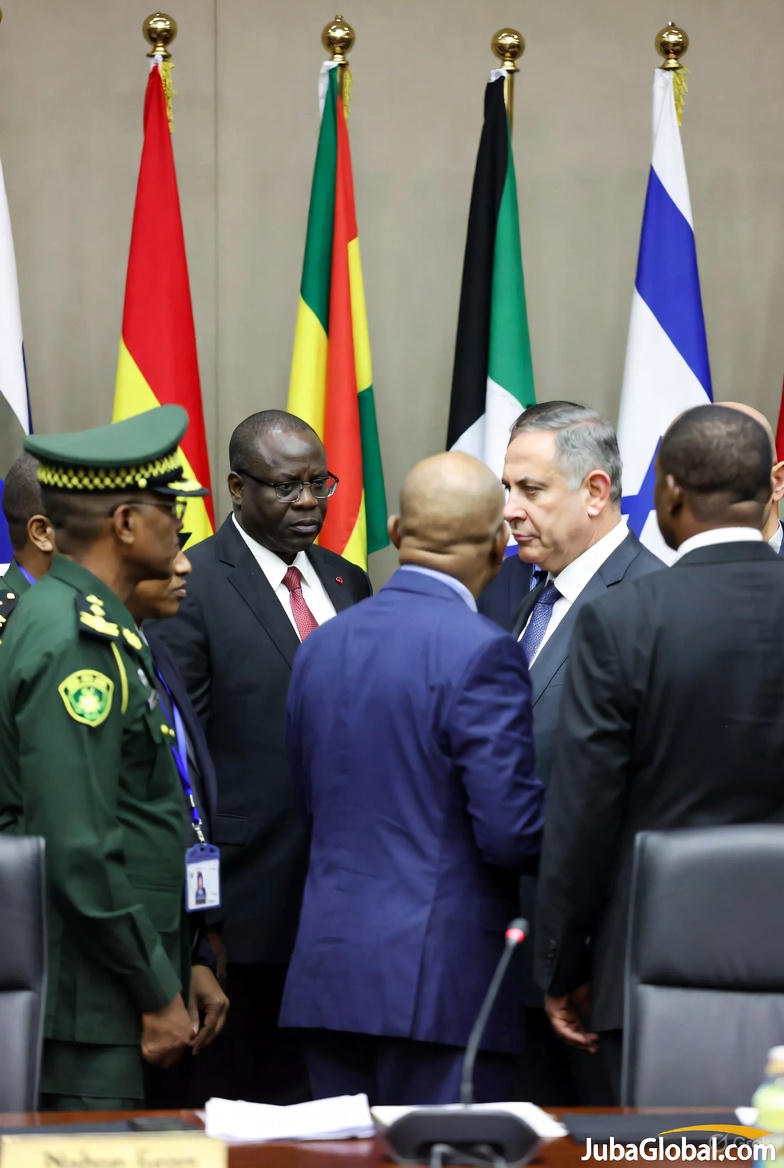
By Juba Global News Network | December 11, 2025
Tensions between Ghana and Israel just took a sharp turn, as Ghanaian authorities expelled several Israeli nationals over the past week, pointing to alleged espionage and some unresolved business squabbles. Officials in Accra confirmed the move on December 10, 2025, and it seems to involve at least five people tied to Israeli companies in the mining and security sectors. The Ghanaian government, for its part, has kept its public comments fairly muted, saying only that the expulsions were routine immigration enforcement. Still, if you talk to sources familiar with the situation, they’ll tell you there’s a deeper frustration simmering—think intelligence operations that went too far, and business grievances that have been building for months.
This episode marks a pretty rare and public falling-out between two countries that, up until now, have usually gotten along. Ghana and Israel have a long history, with ties reaching back to Ghana’s independence and built on agricultural teamwork, military training, and tech exchanges. Now, as Accra tries to carve out its own space in a world with more and more power centers, these expulsions are bringing up some tough questions about shifting alliances in West Africa, how much foreign influence is too much, and how to strike the right balance between lucrative partnerships and protecting national interests. Israel is currently rethinking its diplomatic footprint in the region, and this dustup could send ripples through Ghana’s foreign policy just as the country tries to keep its reputation as a stable magnet for international investment.
The Expulsions: A Sudden but Not Unexpected Move
Ghana’s National Security Ministry and Immigration Service broke the news with a joint statement, saying the deported Israelis had violated their residency permit terms. The individuals in question—mostly executives and consultants linked to security outfits and mining operations—were detained for a short time, then escorted to Kotoka International Airport and put on planes to Tel Aviv. People in diplomatic circles described the operation as well-coordinated: Plainclothes officers showed up at homes and offices in Accra and Kumasi, handed over revocation notices, and gave just enough time for hurried packing.
There weren’t any public espionage charges filed, but leaks to the local press referenced “activities incompatible with their stated purposes.” That’s diplomatic code, as most people know, for suspected intelligence work. The timing probably isn’t a coincidence. Over the past year, Ghanaian counterintelligence is said to have kept tabs on certain Israeli-linked operatives, especially those offering security advice to mining ventures in the Ashanti and Western regions. Things really heated up back in mid-2025, after a messy business dispute erupted; an Israeli firm was accused of not living up to its end of a gold exploration joint venture, which led to allegations of asset stripping and technology transfer violations.
President Nana Akufo-Addo’s government, often seen as leaning pro-Western, has been under fire at home for letting foreign players get too cozy in critical sectors. Opposition leaders in parliament have complained for years that generous deals for outside mining companies undermine local requirements and cut into Ghana’s revenues. Even though these expulsions weren’t officially linked to those arguments, it’s hard not to see the connection, given the recent surge in resource nationalism.
Historical Ties Tested by Contemporary Realities
Ghana and Israel go way back, their relationship dating to when Kwame Nkrumah—Ghana’s first president—established diplomatic ties not long after independence in 1957. Israel played a big part early on, sending experts and supporting farming cooperatives that helped Ghana’s food security. The two countries also worked closely on military training through the ‘60s and ‘70s, with Israeli advisors helping build up Ghana’s armed forces.
After the Cold War, the partnership deepened further. Israel became a go-to partner for cybersecurity, irrigation tech, and military hardware. Ghanaian soldiers have trained in Israel, while Israeli firms launched drip irrigation projects that turned some of Ghana’s dry north into productive farmland. Trade between the two may not be huge, but it’s grown steadily, especially in machinery and security systems.
But lately, the relationship has hit a few speed bumps. Since the Abraham Accords, Israel has pushed harder into Africa—sometimes in ways that rub traditional partners the wrong way, especially over the Palestinian issue. That topic strikes a chord in Ghana, particularly among Muslim communities and pan-African thinkers. Accra has tried to walk a fine line, voting for Palestinian rights at the UN but still deepening security links with Israel.
This latest tension speaks to bigger shifts on the geopolitical map. Ghana’s increasingly close ties with China, Turkey, and various Gulf states mean it doesn’t have to lean so heavily on any single friend. At the same time, there are more and more reports about Israeli intelligence activities around Africa—often aimed at keeping Iranian influence in check—which have made several governments wary. Quiet expulsions or visa snubs have happened in nearby countries too, suggesting Ghana’s move isn’t happening in a vacuum.
Economic Fallout and Diplomatic Repercussions
The immediate effects are being felt hardest by Israeli businesses on the ground. Companies specializing in security and mining tech now face a murky future, with projects potentially worth tens of millions hanging in limbo. Israeli agricultural advisers who’d been helping with rice and maize programs in Ghana’s north have been called back, throwing a wrench into ongoing development work.
Israel’s official reaction has been calm but clear. The Foreign Ministry said it “regretted” the expulsions and pushed for dialogue to sort things out. Behind the scenes, though, Israeli officials are reviewing how they operate in West Africa, and it sounds like future cooperation will depend on clearer terms about intelligence activities and how business disputes get settled.
There are some risks here for Ghana as well. Israeli technology has made a difference in fighting illegal mining—called galamsey—using drones and data analytics. If this support drops off, Ghana’s efforts to police artisanal mining, which employs millions but devastates the environment, could get tougher. The same goes for agricultural gains: If Israeli irrigation experts stay away, progress may stall.
Domestically, it’s a tricky balancing act for the government. Akufo-Addo’s party faces elections in 2028, and being tough on foreign influence is a crowd-pleaser for nationalists. Yet, Ghana’s business community—especially those in mining and agriculture—worry about spooking investors or signaling instability. The country’s reputation as one of Africa’s most steady democracies depends on applying the rules fairly, regardless of who’s involved.
Regional Context: A Broader African Recalibration
Ghana’s decision fits into a larger pattern playing out across Africa. From Senegal taking a harder look at French military bases to Nigeria moving away from its old Western partners, more African nations are asserting their own agendas on the world stage. These expulsions aren’t just about Ghana and Israel—they’re a sign that, when the chips are down, leaders are willing to put national priorities ahead of historical friendships. Israel’s approach to African diplomacy, which used to focus mostly on development assistance, now has to handle a far trickier landscape. Africa’s rising economic importance and its trove of strategic minerals make the continent hard to ignore for Israeli tech companies, while, at the same time, security collaboration stays crucial in this climate of global threats. Still, episodes like the expulsion of Israelis from Ghana point to a clear need for more cultural awareness and a lot more transparency.
What’s next? Well, mediation’s already in motion. There are quiet talks happening between Accra and Jerusalem—sometimes with a little help from partners like the United States—trying to resolve these specific disputes. Some of those expelled could even find their way back under updated visa rules once investigations wrap up. Meanwhile, broader teamwork in fields like agriculture and cybersecurity looks likely to continue, since both countries stand to gain quite a bit.
Toward Resolution: Balancing Interests in a Changing World
This situation really does show how Ghana’s foreign policy has grown up. The country’s no longer willing to just sit back and accept a foreign presence—it’s starting to insist on genuine reciprocity and respect for its own sovereignty. For Israel, this is a timely reminder that exercising influence now takes subtlety, especially as African nations assert themselves more strongly.
Despite the current turbulence, there’s a deep well of goodwill between Ghana and Israel. Ghana’s agricultural achievements, especially across the savannas, still bear the unmistakable mark of Israeli expertise, while Ghanaian professionals with Israeli training keep contributing across all sorts of sectors. Sure, these tensions are serious, but discreet diplomatic efforts seem likely to manage them.
As both countries work their way through this, there’s a broader point that stands out: Even the closest alliances need constant attention. In West Africa’s most stable state, kicking out a few Israeli nationals might turn out to be just a brief squall in a long-lasting partnership—or maybe it’s a sign of a new, more assertive African diplomacy on the horizon. For now, though, officials on both sides seem optimistic that dialogue will bring things back to normal, keeping alive a partnership that’s brought real benefits to ordinary Ghanaians and Israelis for years.
