

Viral New Rhythm Takes Over Venezuela After Maduro Era – The Dance Revolution
By: Juba Global News Network | JubaGlobal.com As political shifts continue in Venezuela post-Maduro, a new viral dance and music rhythm has exploded online
By: Juba Global News Network | JubaGlobal.com
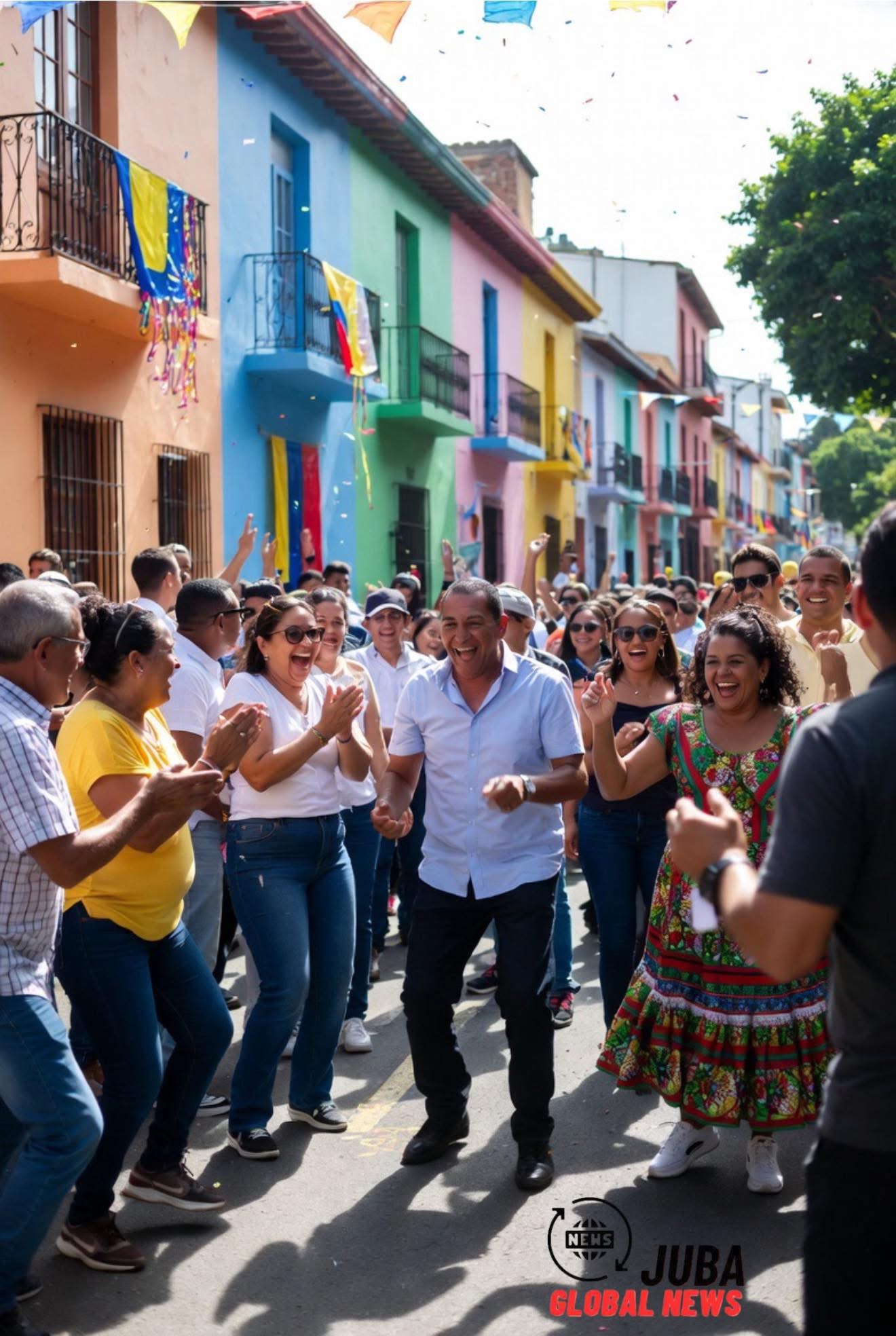
As political shifts continue in Venezuela post-Maduro, a new viral dance and music rhythm has exploded online, symbolizing hope and cultural renewal. Videos are racking up millions of views worldwide, transforming what was once a tool of political propaganda into a celebration of freedom and unity. Dubbed the “Libertad Beat” or simply “Maduro’s Last Dance Remix,” this infectious rhythm has swept through social media platforms like TikTok, Instagram, and YouTube, marking a cultural renaissance in a nation emerging from decades of authoritarian rule.
The origins of this viral phenomenon trace back to Nicolás Maduro’s own penchant for using music and dance as rallying cries during his presidency. For years, Maduro incorporated salsa, merengue, and hip-hop elements into his public appearances, often dancing on stage to remixes of his speeches to energize supporters. 0 Phrases like “No War, Yes Peace” were turned into catchy tunes, broadcast on state media to project an image of joy amid economic hardship and international isolation. But with Maduro’s ouster in late 2025—following widespread protests, international pressure, and his eventual extradition to the U.S. on drug trafficking charges—the narrative flipped.
In the weeks following Maduro’s removal, Venezuelan youth and artists began repurposing these same remixes. What started as satirical parodies quickly evolved into a full-fledged dance challenge. The “Libertad Beat” features upbeat reggaeton rhythms layered over Maduro’s infamous dance clips, but with new lyrics emphasizing themes of liberation, democracy, and rebuilding. “No more chains, yes to change,” goes one popular refrain, a direct twist on Maduro’s slogans. Dancers in videos perform energetic moves—combining traditional Venezuelan joropo steps with modern hip-hop flair—often in public squares once used for regime rallies.
The explosion in popularity was rapid. The first major video, posted by Caracas-based influencer Maria Lopez on TikTok in early January 2026, showed a group flash mob in Plaza Bolívar, dancing to a remix that sampled Maduro’s awkward shimmy while overlaying images of recent protests. It amassed over 5 million views in 48 hours, spawning thousands of user-generated copies. 1 By mid-January, the hashtag #MadurosLastDance had surpassed 100 million views globally, with participants from Miami’s Venezuelan diaspora to European cities joining in solidarity.
This dance revolution is more than mere entertainment; it’s a symbol of catharsis and renewal. Psychologists and cultural experts note that in post-authoritarian societies, such expressions help process trauma and foster collective identity. “Dance has always been a form of resistance in Venezuela,” says Dr. Elena Ramirez, a cultural anthropologist at the Central University of Venezuela. “Under Maduro, it was co-opted for propaganda. Now, it’s reclaimed as a tool for healing and hope.” Videos often include messages of optimism, with dancers holding signs reading “Venezuela Libre” (Free Venezuela) or dedicating performances to those lost in the struggle.
The trend has also boosted Venezuela’s music industry, long stifled under Maduro’s regime. Emerging artists like DJ Rico and singer Ana Torres have released original tracks building on the rhythm, blending Afro-Venezuelan percussion with electronic beats. Torres’s single “Ritmo de Libertad” debuted at number one on local charts and gained traction on Spotify’s global playlists. International celebrities, including Shakira and Bad Bunny, have shared their own versions, amplifying the reach. “This is Venezuela’s voice rising again,” Shakira posted on Instagram, alongside a clip of her dancing with Venezuelan refugees in Colombia.
Economically, the viral wave is injecting vitality into a recovering nation. Tourism officials report increased interest in “dance tours” to Caracas and Maracaibo, where visitors can learn the moves in historic sites. Merchandise like “Libertad Beat” T-shirts and playlists are selling briskly online, providing income for creators. The interim government, led by opposition figures, has even embraced the trend, incorporating it into public events to promote national unity.
Yet, challenges remain. Not all Venezuelans are ready to dance away the past. Some former Chavistas view the remixes as mocking their movement, leading to online clashes. Human rights groups remind that while cultural renewal is welcome, justice for Maduro-era abuses—such as political imprisonments and economic mismanagement—must not be overshadowed. “Dance is powerful, but it’s not enough without accountability,” says Amnesty International’s Venezuela researcher.
As the “Libertad Beat” spreads, it embodies Venezuela’s resilient spirit. From the streets of Caracas to global screens, this rhythm is a testament to a nation’s desire to move forward, one step at a time. With millions tuning in, the Dance Revolution may just be the soundtrack to Venezuela’s new chapter.
Juba Global News Network will continue to track cultural trends in post-Maduro Venezuela, exploring how art and music shape recovery. In a world watching, this viral phenomenon proves that even in the darkest times, rhythm can restore hope.
