

US Precision Strikes Hammer Iranian Anti-Ship Missiles Near Strait of Hormuz
In a significant escalation of the ongoing US-Israel war against Iran, US forces carried out targeted precision strikes on hardened Iranian missile sites a
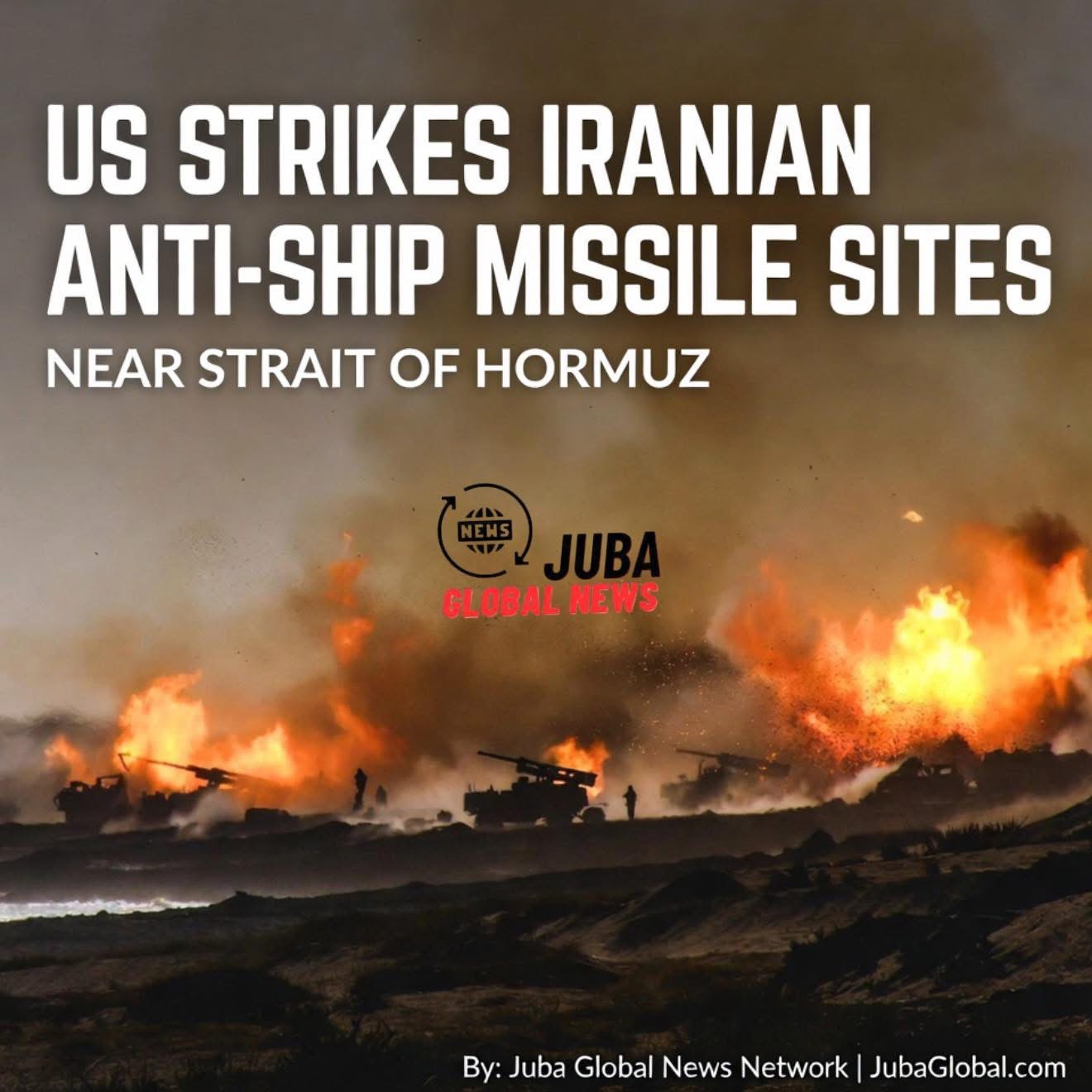
In a significant escalation of the ongoing US-Israel war against Iran, US forces carried out targeted precision strikes on hardened Iranian missile sites along the country’s southern coastline near the Strait of Hormuz on March 18-19, 2026. The operation, announced by US Central Command (CENTCOM), aimed to neutralize threats from Iranian anti-ship cruise missiles that have contributed to the effective blockade of this critical global shipping chokepoint. President Donald Trump has repeatedly warned Tehran that continued interference with maritime traffic would trigger far more severe consequences, including potential strikes on oil infrastructure.
The Strategic Importance of the Strait of Hormuz
The Strait of Hormuz is one of the world’s most vital maritime passages, connecting the Persian Gulf to the Gulf of Oman and the Arabian Sea. Approximately 20% of global oil consumption and a substantial portion of liquefied natural gas (LNG) transit through this narrow waterway daily. Iran has maintained a de facto blockade since early March 2026, in retaliation for joint US-Israeli airstrikes that began on February 28. Iranian forces, primarily the Islamic Revolutionary Guard Corps (IRGC) Navy, have deployed naval mines, fast attack boats, drones, and anti-ship missiles, leading to attacks on commercial vessels, skyrocketing shipping insurance rates, and a near-total halt in tanker traffic for non-Iranian allies.
Shipping through the strait has dropped dramatically—reports indicate up to 97% reduction in transits since the conflict intensified—with at least 21 incidents involving attacks on vessels and eight seafarer deaths reported. This has caused Brent crude prices to surge toward $110-116 per barrel, fueling global inflation fears and economic strain, particularly in energy-dependent Europe and Asia.
Details of the US Strikes
According to CENTCOM statements, US forces employed multiple 5,000-pound (approximately 2,267 kg) deep-penetrator munitions—likely including advanced bunker-busters like the GBU-72—on hardened, underground missile sites along Iran’s coastline bordering the strait. These sites housed anti-ship cruise missiles capable of threatening international shipping, naval vessels, and commercial tankers.
The strikes were described as “successful” in destroying or degrading these threats without causing widespread collateral damage to civilian or oil-related infrastructure. CENTCOM emphasized that the targeted facilities posed a direct risk to safe passage in the strait. The operation followed earlier US actions, including large-scale precision strikes on March 14 against more than 90 military targets on Kharg Island—Iran’s primary oil export terminal—where naval mine storage, missile bunkers, and other assets were hit while deliberately sparing oil facilities.
President Trump highlighted the restraint in his public comments, stating on Truth Social that the US had “totally obliterated every MILITARY target” on Kharg Island but chose not to destroy oil infrastructure. He reiterated warnings: if Iran or proxies interfere with free passage through the Strait of Hormuz, the US would “immediately reconsider” and potentially target those assets with overwhelming force.
Trump’s Warnings and Diplomatic Pressures
Trump has framed the blockade as an unacceptable “artificial constraint” on global trade, repeatedly urging allies—including NATO members, China, Japan, South Korea, France, the UK, and others—to contribute warships for escort missions. Despite his calls for a multinational coalition, responses have been muted or negative. Many allies cite the high risks of escalation in an active war zone, with some NATO countries warning of a “very bad” future for the alliance if they refuse to assist.
Trump has grown increasingly frustrated, blasting NATO as a “one-way street” and declaring that the US “does NOT NEED THE HELP OF ANYONE!” He has shifted toward unilateral action, with the Pentagon deploying additional assets, including the 31st Marine Expeditionary Unit (around 2,200 Marines), to the region. Reports suggest preparations for potential ground operations to secure key sites like Kharg Island if the blockade persists.
Iran, meanwhile, has vowed to maintain pressure, with its new leadership (following recent high-level losses) framing the blockade as a defensive response to aggression. Tehran has allowed limited passage for vessels bound for friendly nations like China and India but threatened attacks on any ships supporting the US or its allies.
Broader Implications and Global Fallout
These strikes represent a calculated effort to degrade Iran’s asymmetric naval capabilities without fully crossing into total economic warfare by destroying oil export hubs. However, analysts warn that the tit-for-tat dynamic risks spiraling: Iran could intensify mine-laying, drone swarms, or missile barrages, while the US might expand targets if shipping remains disrupted.
The energy crisis is already biting hard. Oil prices remain elevated, gasoline costs in the US have risen sharply, and supply chain disruptions threaten manufacturing (including defense-critical minerals like sulfur for copper and cobalt extraction). A prolonged closure could exacerbate global recession fears, even as the US leverages its domestic oil production to mitigate domestic impacts.
As the conflict enters its third week, the focus remains on the Strait of Hormuz—now a flashpoint where military precision meets economic leverage. With Trump vowing decisive action and Iran showing no signs of backing down, the coming days could determine whether diplomacy or further escalation prevails.
Juba Global News Network will provide ongoing coverage as events unfold.
By: Juba Global News Network | JubaGlobal.com
