

US Launches Major Airstrikes on ISIS in Syria in Retaliation for Deadly Palmyra Attack
By: Juba Global News Network | JubaGlobal.com December 23, 2025 In a bold escalation of military action in the Middle East, the United States has executed
By: Juba Global News Network | JubaGlobal.com
December 23, 2025
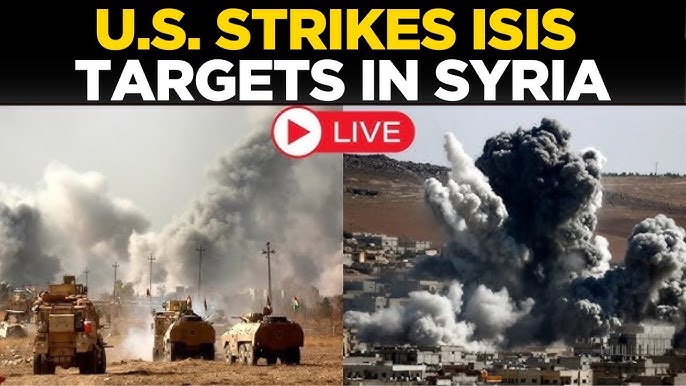
In a bold escalation of military action in the Middle East, the United States has executed one of the largest airstrike campaigns against the Islamic State (ISIS) in Syria since 2019. Dubbed “Operation Hawkeye Strike,” the operation targeted over 70 ISIS sites across central and eastern Syria, delivering a swift and severe response to a recent attack that claimed the lives of three Americans. This development underscores the persistent threat posed by ISIS remnants in the region, even as Syria navigates a fragile post-Assad era, and highlights the Trump administration’s aggressive stance on counterterrorism.
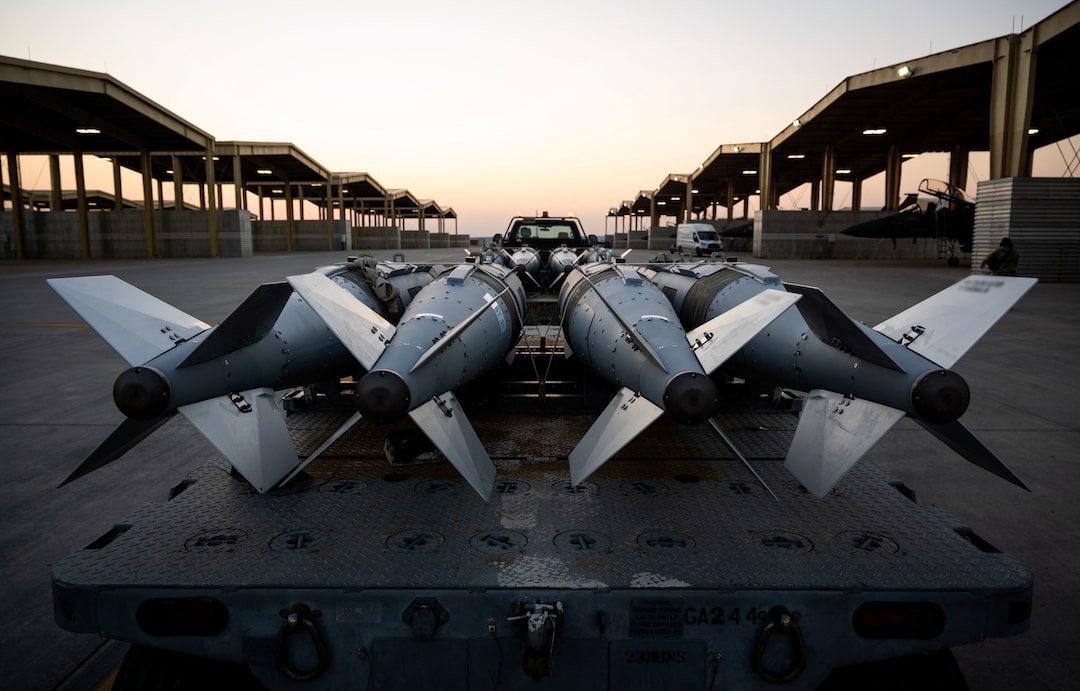
The strikes, which commenced on December 19, 2025, involved a coordinated assault using fighter jets, attack helicopters, and over 100 precision-guided munitions. U.S. Central Command (CENTCOM) described the operation as a “large-scale strike” aimed at eliminating ISIS fighters, infrastructure, and weapons depots. Targets included command centers, training facilities, drone sites, and logistical hubs in rural areas of Deir ez-Zor and Raqqa provinces, as well as the Jabal al-Amour region near the historic city of Palmyra in Homs Governorate. According to the Syrian Observatory for Human Rights (SOHR), at least five ISIS members were killed, including a key drone specialist responsible for coordinating unmanned aerial operations.
The Trigger: The Palmyra Ambush
The airstrikes were launched in direct retaliation for a deadly incident on December 13, 2025, in Palmyra, a UNESCO World Heritage site known for its ancient ruins but now synonymous with conflict. Two U.S. Army soldiers from the Iowa National Guard—identified as part of a counterterrorism support mission—and a civilian interpreter were killed when a lone gunman ambushed their convoy. The attacker, described by Syrian authorities as a member of their own security forces with suspected ISIS sympathies, was killed at the scene. Three additional U.S. troops and several Syrian personnel were wounded in the exchange.
This marked the first U.S. casualties in Syria since the fall of longtime dictator Bashar al-Assad in late 2024, a pivotal moment that reshaped the country’s political landscape but also created power vacuums exploited by extremist groups like ISIS. President Donald Trump, in a post on Truth Social, vowed “very serious retaliation” against the “murderous terrorists responsible,” blaming ISIS for the attack and emphasizing the need to prevent the group from regrouping. Defense Secretary Pete Hegseth echoed this sentiment, calling the operation a “declaration of vengeance” rather than the start of a new war, and stressing that it was executed to protect American lives and degrade ISIS capabilities.
The Palmyra attack highlighted the ongoing dangers faced by the approximately 900 U.S. troops still stationed in eastern Syria as part of the anti-ISIS coalition. These forces, often working alongside Syrian Democratic Forces (SDF) and local partners, conduct raids, provide training, and gather intelligence to counter ISIS resurgence. In the days leading up to the strikes, U.S. and allied forces had already conducted 10 operations resulting in the arrest or killing of about 23 ISIS suspects.
Operation Details: A Precision Onslaught
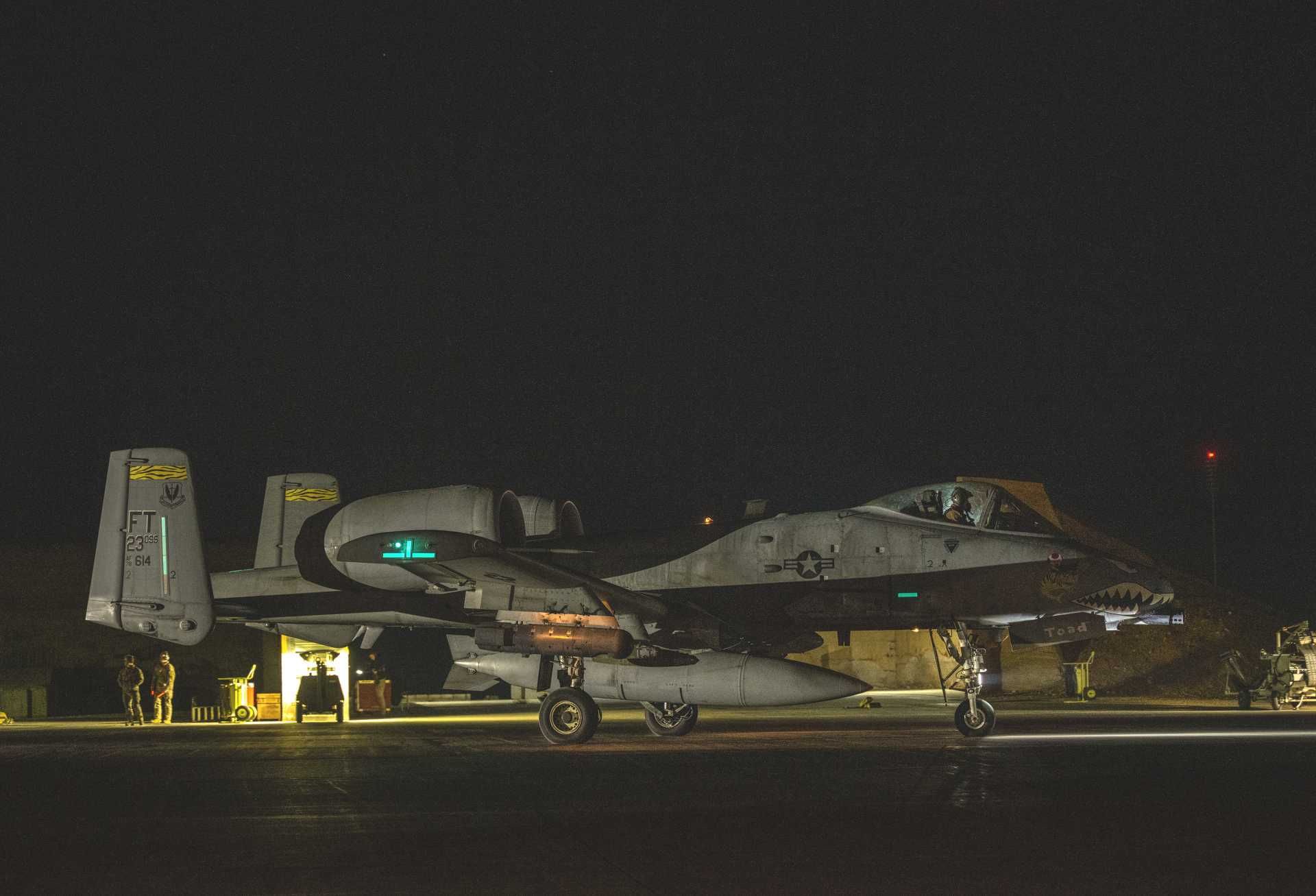
Operation Hawkeye Strike represented a significant military effort, drawing on assets from across the U.S. arsenal. F-15E Strike Eagles, A-10 Thunderbolt II ground-attack aircraft, and AH-64 Apache helicopters were among the platforms deployed, launching from bases in the region. The Jordanian Armed Forces provided air support, marking a collaborative dimension to the mission and underscoring regional alliances against terrorism.
Syrian state media reported strikes in the Ma’adan desert in rural Raqqa, the al-Hammad desert in Deir ez-Zor, and areas near Palmyra, aligning with U.S. announcements. The use of precision munitions minimized collateral damage, though independent verification of civilian impacts remains ongoing. President Trump praised the operation as “very successful,” noting that it targeted ISIS elements attempting to rebuild after their territorial defeat in 2019.
White House spokesperson Anna Kelly affirmed that the strikes fulfilled Trump’s promise to retaliate, stating, “President Trump told the world that the United States would retaliate for the killing of our heroes by ISIS in Syria, and he is delivering on that promise.” The operation’s scale—hitting more targets than any single U.S. action in Syria in recent years—signals a renewed commitment to eradicating ISIS safe havens. Regional and International Reactions
The Syrian government, under President Mohammed al-Sharaa, expressed full support for the strikes, reiterating its commitment to combating ISIS and ensuring no safe havens exist on Syrian soil. In a statement from the Foreign Ministry, Damascus emphasized the need for international cooperation against terrorism, viewing the U.S. actions as aligned with its own anti-ISIS operations.
The Kurdish-led Syrian Democratic Forces (SDF), a key U.S. partner in northeastern Syria, hailed the strikes as a “decisive factor” in preventing ISIS from regrouping, praising the precision and ongoing air support. Jordan’s confirmation of its involvement highlighted the operation’s aim to prevent ISIS from threatening neighboring countries.
Internationally, reactions were mixed. European allies, including those in the EU, have largely remained silent, though some analysts suggest the strikes could complicate ongoing diplomatic efforts in Syria. Critics, including anti-interventionist voices in the U.S., argue that such actions risk entangling America further in Syria’s complex civil war remnants, potentially exacerbating factional tensions without addressing underlying instability. However, supporters point to the necessity of responding to direct attacks on U.S. personnel to maintain deterrence.
Historical Context: ISIS in Syria
ISIS, also known as ISIL or Daesh, rose to prominence in 2014, capturing vast territories in Iraq and Syria, including Palmyra in 2015, where it infamously destroyed ancient artifacts. The group proclaimed a caliphate, attracting foreign fighters and perpetrating atrocities worldwide. A U.S.-led coalition, formed in 2014, systematically dismantled ISIS’s territorial holdings, culminating in the loss of its last stronghold in Baghuz, Syria, in March 2019.
Despite this defeat, ISIS has persisted as an insurgent force, conducting hit-and-run attacks, bombings, and ambushes from desert hideouts. The fall of Assad in 2024 created opportunities for resurgence, as competing factions vied for control. U.S. intelligence reports indicate ISIS has exploited these vacuums, recruiting locally and rebuilding networks. The Palmyra attack, while claimed by ISIS in some reports, exemplifies this strategy of targeting coalition forces to sow chaos.
The Trump administration’s approach echoes its first term, when similar strikes decimated ISIS leadership. However, the current context differs, with Syria’s new government seeking stability and U.S. forces operating in a more permissive environment.
Implications for the Future
Operation Hawkeye Strike may signal a broader U.S. strategy in Syria under Trump 2.0, focusing on targeted counterterrorism rather than large-scale occupation. With 15,000 Marines, naval assets, and special operators already deployed in the region, the U.S. maintains a robust posture. Yet, questions linger about long-term engagement: Will these strikes evolve into sustained operations, or remain reactive?
For Syria, the strikes bolster anti-ISIS efforts but could strain relations if perceived as infringing on sovereignty. The SDF’s appreciation suggests continued cooperation, but broader regional dynamics—including tensions with Turkey over Kurdish forces—complicate the picture.
As 2025 draws to a close, this operation reminds the world that ISIS, though diminished, remains a threat. The U.S. response demonstrates resolve, but true eradication will require coordinated international action, addressing not just military targets but the socio-political voids that allow extremism to thrive.
Juba Global News Network will continue monitoring developments in Syria and the broader Middle East. For updates, visit JubaGlobal.com.