

U.S. Struggles to Evacuate Citizens from the Middle East as Embassies, Consulates, and Assets Come Under Fire – Thousands of Americans Stranded in Over a Dozen Countries
(As of March 4, 2026 – Day 5 of the U.S.-Israel War with Iran) The rapid escalation of the U.S.-Israel military campaign against Iran has created a humanit

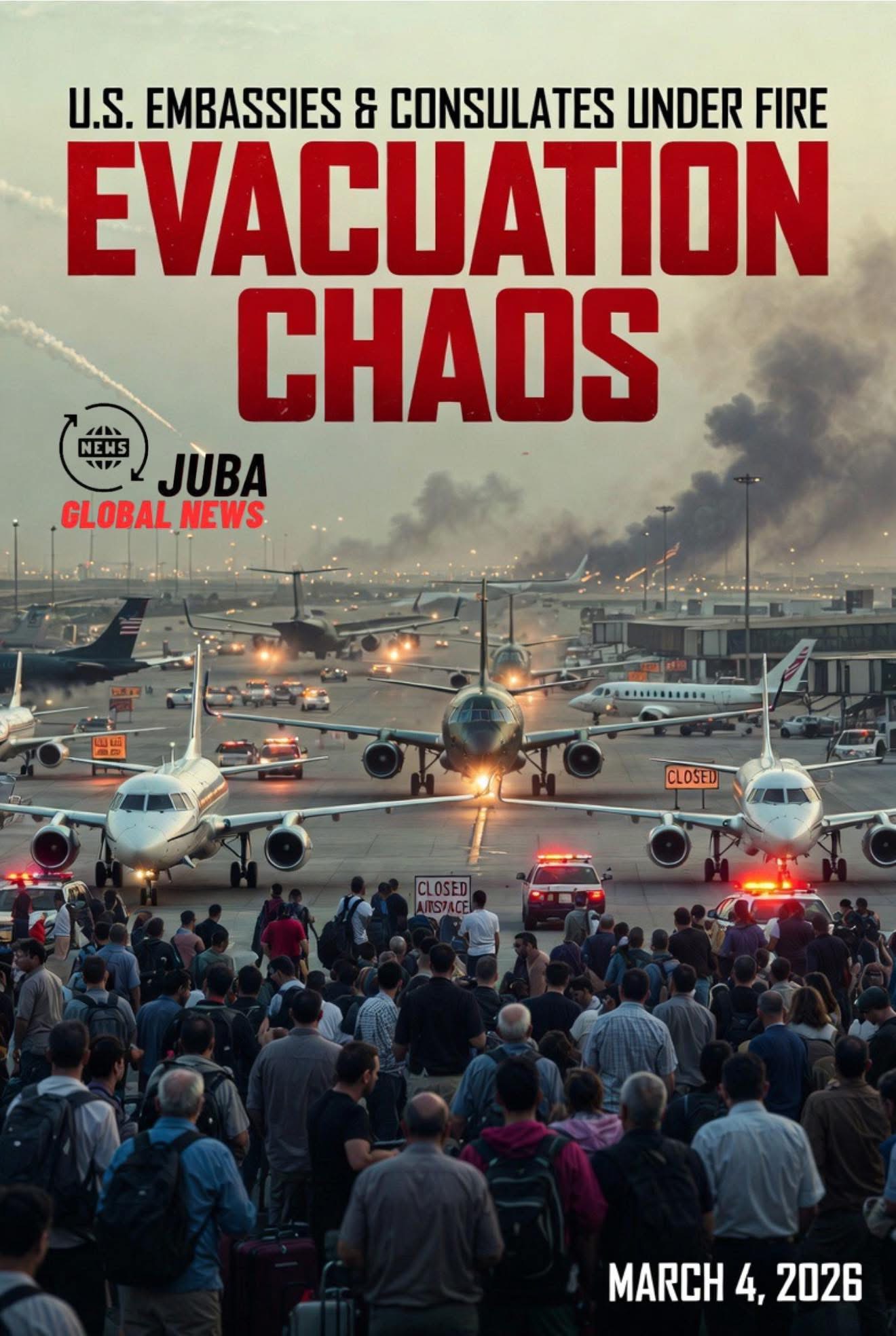
(As of March 4, 2026 – Day 5 of the U.S.-Israel War with Iran)
The rapid escalation of the U.S.-Israel military campaign against Iran has created a humanitarian and logistical crisis for American citizens across the Middle East. With Iranian retaliatory strikes hitting U.S. diplomatic facilities, military bases, and civilian infrastructure in multiple countries, the U.S. government is facing mounting criticism for its slow and limited evacuation efforts. Thousands of Americans—tourists, business travelers, expatriates, dual nationals, and others—are stranded in over a dozen nations, many with closed airports, disrupted commercial flights, and reduced embassy staffing leaving them with few safe options to leave.
Widespread Travel Chaos and Airport Shutdowns
Since the conflict ignited on February 28, 2026, with joint U.S.-Israeli airstrikes on Iranian targets, Iran has launched hundreds of ballistic missiles and drones at U.S. assets throughout the Gulf and beyond. Key hubs have been directly affected: explosions near the U.S. Consulate in Dubai started fires in adjacent areas, Al Udeid Air Base in Qatar sustained hits, and other strikes impacted sites in Bahrain, Kuwait, Saudi Arabia, and the UAE. These attacks, combined with defensive intercepts and regional airspace closures, have crippled air travel.
Major airports—including Dubai International (the world’s busiest for international passengers), Abu Dhabi, Doha (Hamad International), and others in Bahrain and Kuwait—have been closed, partially shut, or operating under severe restrictions for days. Airlines like Emirates and Qatar Airways have canceled thousands of flights, stranding hundreds of thousands of travelers overall, including a significant number of Americans. Flight tracking data shows no activity over large swaths of the region, with diversions routing passengers to distant alternatives like Europe or Africa when possible.
The State Department estimates hundreds of thousands of U.S. citizens reside or travel in the Middle East at any time, with many now unable to depart via commercial means. Reports from affected individuals describe canceled flights day after day, skyrocketing prices for remaining seats, and growing frustration as safe corridors remain limited.
Embassy and Consulate Disruptions Hamper Assistance
The U.S. diplomatic presence has been severely curtailed. Embassies in Saudi Arabia, Kuwait, and at least one other country have closed indefinitely, with non-emergency personnel and families ordered to depart. Consulates and missions in Dubai, Riyadh, and elsewhere have suspended routine and emergency services after direct or nearby strikes—including a drone hit on a parking lot adjacent to the Dubai consulate and attacks on a CIA-linked facility in Saudi Arabia.
A State Department hotline for stranded citizens delivers a blunt message: “Please do not rely on the U.S. government for assisted departure or evacuation at this time. There are currently no United States evacuation points.” Multiple embassies, including those in Jerusalem and Qatar, have explicitly stated they cannot provide evacuation assistance or direct help for departures.
The State Department established an Iran task force shortly after hostilities began and is “actively securing military aircraft and charter flights” from countries like the UAE, Jordan, and Saudi Arabia. Secretary of State Marco Rubio reported that over 9,000 Americans have left the region since the war started, mostly via independent commercial means before major disruptions peaked. The department is in contact with nearly 3,000 citizens seeking help, but options remain constrained.
Urgent Advisories and Regional Scope
On March 2–3, the State Department issued Level 4 “Do Not Travel” warnings and urged immediate departure (“DEPART NOW”) from 14 countries: Bahrain, Egypt, Iran, Iraq, Israel (including West Bank and Gaza), Jordan, Kuwait, Lebanon, Oman, Qatar, Saudi Arabia, Syria, the United Arab Emirates, and Yemen. Americans were advised to use any available commercial transportation and to shelter in place if unable to leave.
The advisory highlights “serious safety risks” from ongoing missile/drone threats, armed conflict, and infrastructure disruptions. Critics, including some congressional voices and stranded citizens, have called the warnings “too little, too late,” pointing out that airspace closures and embassy reductions limit practical escape routes.
Other governments—France, India, European nations—have moved faster to organize repatriation flights for their nationals, highlighting perceived gaps in U.S. planning. Stories from Americans in Dubai, Qatar, and Israel describe sheltering in hotel pantries, hiding from sirens, and feeling “beyond scared” as options dwindle.
Broader Implications and Ongoing Challenges
The evacuation scramble underscores the war’s spillover: what began as targeted strikes on Iranian facilities has drawn in Gulf allies hosting U.S. troops and civilians, turning safe havens into danger zones. Oil infrastructure threats, Strait of Hormuz tensions, and proxy attacks from Hezbollah add layers of risk.
The State Department emphasizes that Americans should not depend on government-organized evacuations in active conflict zones—a standard policy—but the scale of disruptions has fueled calls for more robust action, including dedicated military airlifts or safe corridors. As the campaign enters its fifth day with intensified strikes, the number of stranded citizens could rise if commercial travel remains grounded.
For those still in the region, the message is clear: shelter safely, monitor alerts, and pursue any viable exit independently. With no immediate end to hostilities in sight, the plight of stranded Americans serves as a stark reminder of how quickly regional wars can trap civilians in chaos far from home. Juba Global News Network continues to track developments and evacuation updates.
