

U.S. Edges Closer to Partial Government Shutdown as Democrats Demand ICE Reforms After Fatal Minneapolis Shootings
The United States stands on the precipice of a partial government shutdown as funding for several major federal agencies, including the Department of Homel
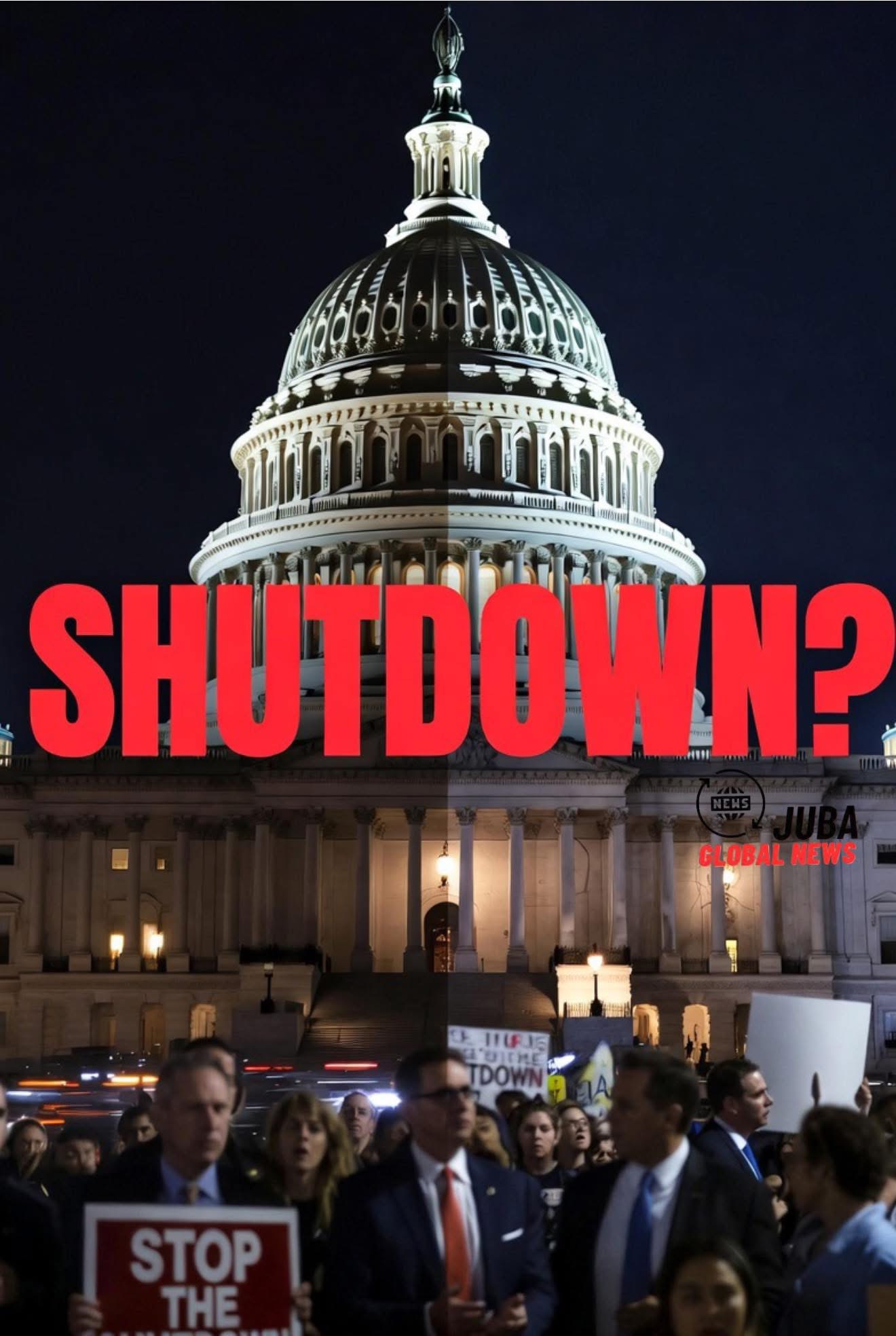
The United States stands on the precipice of a partial government shutdown as funding for several major federal agencies, including the Department of Homeland Security (DHS), expires at midnight on January 30, 2026. This crisis has erupted from a fierce partisan battle in the Senate, where Democrats are conditioning their support for continued funding on sweeping reforms to U.S. Immigration and Customs Enforcement (ICE) practices. The demands stem directly from recent high-profile fatal incidents involving federal agents in Minneapolis, which have ignited nationwide protests and intensified scrutiny of the Trump administration’s aggressive immigration enforcement operations.
The flashpoint is the January 24, 2026, shooting death of Alex Jeffrey Pretti, a 37-year-old U.S. citizen and intensive care nurse at the Minneapolis VA Medical Center. Pretti, widely described by family, friends, and colleagues as a generous, patriotic community member who dedicated his career to caring for veterans, was fatally shot by federal agents—reportedly from U.S. Customs and Border Protection (CBP)—during an immigration-related operation. Witness videos that quickly went viral show Pretti being tackled to the ground after approaching agents, possibly while filming or assisting someone, before multiple shots were fired. A preliminary DHS report placed the agents on administrative leave, but accounts from witnesses and video analysis contradict initial official claims of self-defense involving a weapon. Pretti’s death followed closely on the heels of another tragedy: the January 7 shooting of Renée Nicole Macklin Good, also a 37-year-old U.S. citizen and mother of three, killed by an ICE agent in Minneapolis after she attempted to drive away from agents surrounding her vehicle. Good was remembered as a loving poet and family woman whose death sparked immediate outrage.
These back-to-back killings in Minneapolis—both involving U.S. citizens and occurring amid Operation Metro Surge, the Trump administration’s intensified urban enforcement campaign—have galvanized Democrats. Senate Minority Leader Chuck Schumer has labeled ICE tactics as “state-sanctioned thuggery” and declared that funding cannot proceed without accountability measures.
After a closed-door Democratic caucus on January 28, Schumer outlined the party’s unified demands for inclusion in—or amendments to—the must-pass spending legislation:
- Ending roving patrols and requiring coordination: ICE and other federal agents must halt random urban sweeps, cease warrantless or loosely warranted arrests, and coordinate closely with state and local law enforcement rather than operating independently in cities.
- Tightening warrant requirements and oversight: Shift from administrative warrants (signed by DHS officials) to stricter judicial warrants in many cases, with enhanced oversight for searches and arrests.
- Enforcing accountability and transparency: Implement a uniform, enforceable code of conduct aligned with standards for local police, including independent investigations into use-of-force incidents. Crucially, agents must remove face masks during operations, wear activated body cameras at all times, carry visible identification, and adhere to de-escalation protocols.
These reforms are non-negotiable for Democrats before they support funding for DHS, which is bundled in a larger “minibus” appropriations bill passed by the House earlier in January. The package funds agencies including Defense, Labor, Health and Human Services, Transportation, Housing and Urban Development, State, Treasury, and DHS through September 30, 2026 (the end of fiscal year 2026). Any Senate changes would require the House—currently in recess—to reconvene and approve revisions, a process that could drag on and lead to at least a temporary funding lapse.
A partial shutdown, if it occurs starting January 31, would furlough non-essential federal employees (who would go unpaid during the lapse), while essential personnel in areas like national security, air traffic control, and certain border functions continue working without immediate pay. Potential disruptions include delays in passport processing, closures of some national parks and federal offices, slowed tax refund issuance, and hardships for federal workers and contractors. Notably, much of ICE’s enforcement capacity remains insulated due to supplemental funding from prior legislation (including a substantial 2025 allocation), meaning deportation operations could largely continue even in a lapse—adding irony to the standoff.
Negotiations offered faint hope late on January 28, with reports of discussions between President Trump and Schumer toward potentially separating DHS funding for standalone talks on agent restrictions. However, with Republicans pushing forward and Democrats unified, a brief shutdown appears increasingly probable—potentially the shortest in recent history if resolved quickly, but still damaging amid economic recovery efforts.
This confrontation echoes recurring budget battles where immigration policy becomes a flashpoint, following the record 43-day shutdown ending in late 2025. Democrats portray their position as a vital check against executive overreach and excessive force, while Republicans and the White House accuse them of hostage-taking for political advantage. As the deadline looms, Capitol Hill remains a pressure cooker, with the fate of government operations—and public trust in federal law enforcement—hanging in the balance.
By: Juba Global News Network | JubaGlobal.com
