Trump Warns Cuba to ‘Make a Deal Before It’s Too Late’ as Venezuelan Oil Lifeline Ends
As of January 12, 2026, U.S. President Donald Trump has intensified pressure on Cuba , declaring that the communist-run island will receive “no more oil or
As of January 12, 2026, U.S. President Donald Trump has intensified pressure on Cuba, declaring that the communist-run island will receive “no more oil or money” from Venezuela and urging its leadership to negotiate a deal with Washington “before it is too late.” The stark warning, delivered via a series of posts on Truth Social on January 11, comes in the immediate aftermath of the U.S.-led operation that captured Venezuelan President Nicolás Maduro on January 3, severing a decades-long economic lifeline between Caracas and Havana.
The Statement and Its Context
In his posts, Trump emphasized the historical dependency: “Cuba lived, for many years, on large amounts of OIL and MONEY from Venezuela. In return, Cuba provided ‘Security Services’ for the last two Venezuelan dictators, BUT NOT ANYMORE!” He declared: “THERE WILL BE NO MORE OIL OR MONEY GOING TO CUBA – ZERO! I strongly suggest they make a deal, BEFORE IT IS TOO LATE.”
Trump did not specify the terms of any potential “deal,” but the message aligns with his administration’s broader strategy to isolate Cuba economically and politically. The comments follow his earlier prediction that Cuba was “ready to fall” without Venezuelan support, made shortly after Maduro’s capture. Analysts note this rhetoric revives elements of the Monroe Doctrine, positioning the U.S. as the dominant power in the Western Hemisphere and signaling potential further actions against long-standing adversaries.
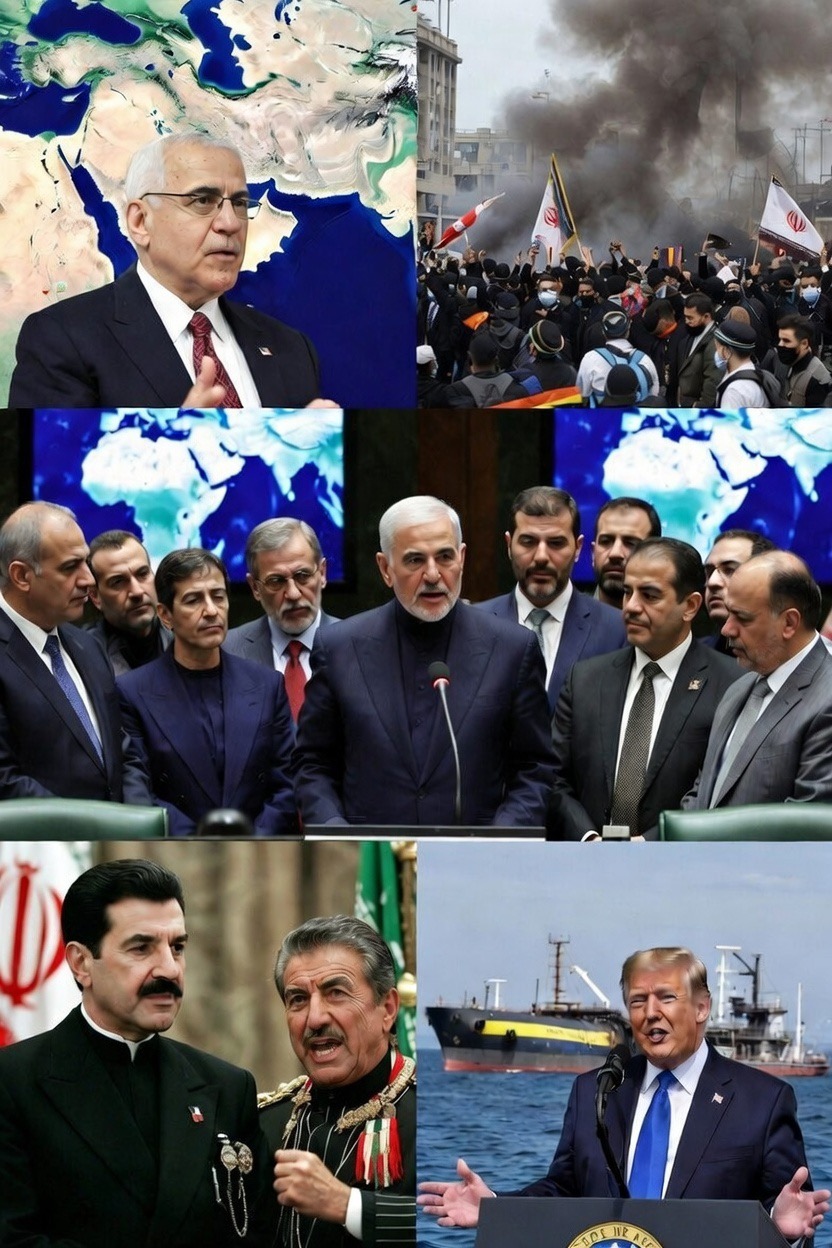
Here is a visual of President Trump addressing the nation amid escalating Latin American tensions, with a backdrop of oil tankers and regional maps:
This image captures the high-stakes geopolitical shift, as U.S. forces now influence Venezuelan oil distribution.
The Venezuela-Cuba Oil Relationship Severed
For over two decades, Venezuela has been Cuba’s largest oil supplier under a barter arrangement dating back to Hugo Chávez’s era: subsidized crude in exchange for Cuban medical, security, and technical expertise. At its peak, Venezuela shipped around 90,000 barrels per day; even in recent years, it provided 26,500–35,000 barrels daily (covering roughly 50% of Cuba’s oil deficit), according to shipping data and PDVSA documents.
Since Maduro’s capture, however, no cargoes have departed Venezuelan ports for Cuba, amid a strict U.S. oil blockade and seizures of tankers. U.S. forces have taken control of key aspects of Venezuela’s production, refining, and global sales, with reports of a $2 billion deal in progress to supply up to 50 million barrels to the U.S., proceeds deposited in Treasury-supervised accounts.
Cuba, already grappling with severe economic crisis—including frequent blackouts, medicine shortages, food price surges, and declining tourism—faces potentially catastrophic impacts. Experts warn of indefinite power outages and worsening shortages if the cutoff persists. Cuba’s domestic production covers less than half its needs (about 100,000 barrels daily), leaving it vulnerable.
Here are images highlighting the energy lifeline now under threat:
Cuban oil tanker operations in Havana Bay, symbolizing the vital imports now halted.
Cuba’s Defiant Response
Cuban President Miguel Díaz-Canel swiftly rejected the ultimatum on social media, asserting: “Cuba is a free, independent, and sovereign nation. Nobody dictates what we do.” He accused the U.S. of lacking moral authority, noting decades of embargo and aggression. Foreign Minister Bruno Rodríguez Parrilla defended Cuba’s right to import fuel “without interference” and condemned the pressure as destabilizing.
Cuba has also highlighted the deaths of over two dozen of its military and intelligence personnel during the U.S. operation in Venezuela, framing the events as “state terrorism.”
Broader Implications for U.S. Policy in Latin America
The warning fits into Trump’s aggressive Latin America strategy, including recent signals to China to stay out of the region following U.S. actions in Venezuela. With Secretary of State Marco Rubio—a longtime Cuba hawk—playing a key role, the administration appears intent on weakening Havana’s regime through economic strangulation rather than direct military intervention.
Cuba’s government blames its woes primarily on U.S. sanctions, but the loss of Venezuelan support could accelerate internal unrest. Intelligence assessments offer mixed views on regime stability, with some predicting severe hardship but no consensus on imminent collapse.
As tensions rise, the Caribbean remains on edge. Cuba braces for fuel and electricity crises, while Trump maintains pressure for concessions. The situation is fluid, with potential for further escalation or diplomatic maneuvering in the coming weeks.
For the latest developments, follow credible sources like Reuters, AP, and international outlets, as the regional power dynamics continue to shift rapidly. Human and economic impacts in Cuba hang in the balance.