

Trump Reiterates Threats Against Iran as White House Meeting with Netanyahu Yields No Definitive Breakthrough on Nuclear or Missile Issues
Washington, D.C. – February 11, 2026 – President Donald Trump hosted Israeli Prime Minister Benjamin Netanyahu for a closed-door Oval Office meeting lastin
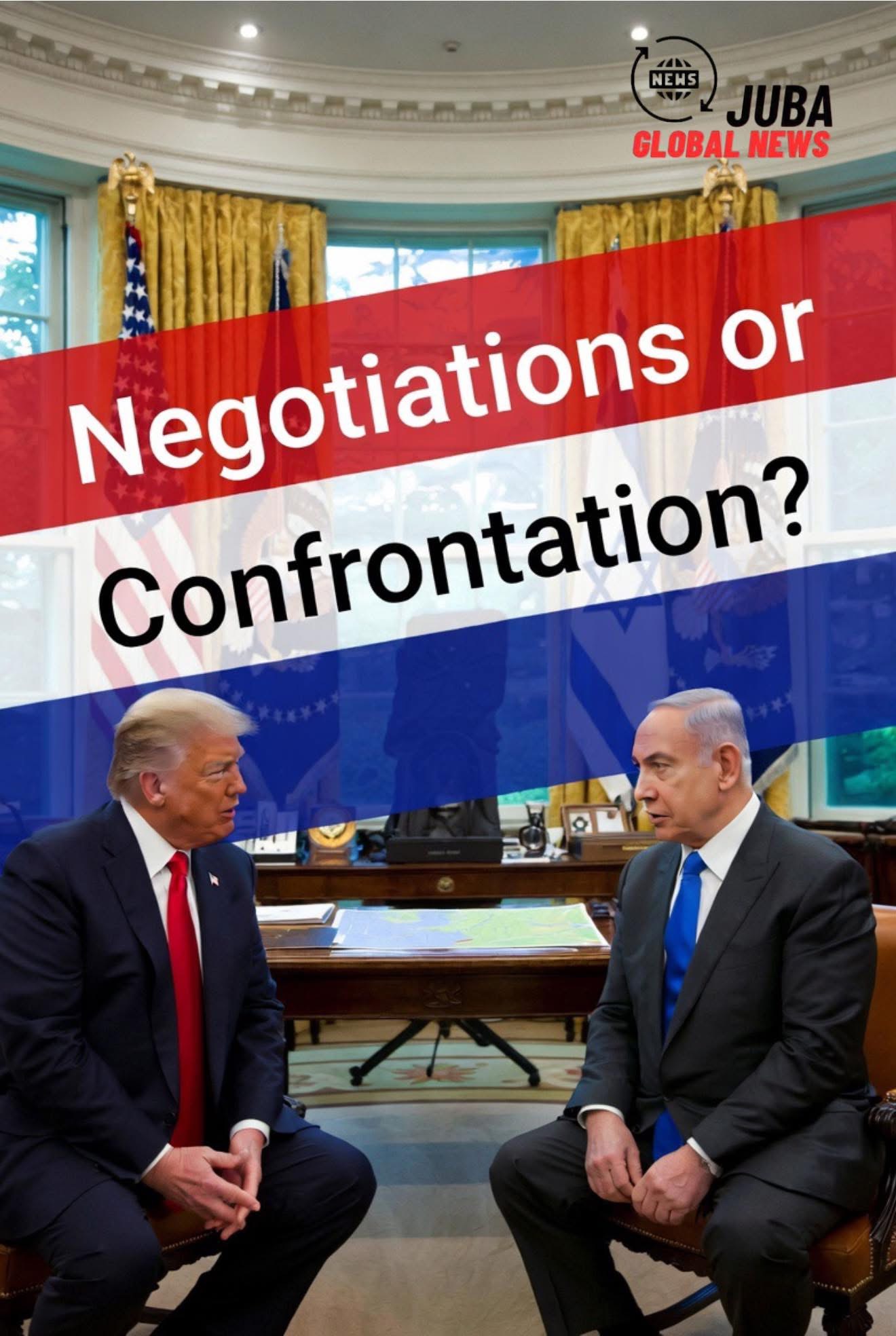
Washington, D.C. – February 11, 2026 – President Donald Trump hosted Israeli Prime Minister Benjamin Netanyahu for a closed-door Oval Office meeting lasting over two and a half hours, amid escalating tensions in the Middle East and renewed U.S. diplomatic efforts aimed at curbing Iran’s nuclear ambitions. The hastily arranged discussions, Netanyahu’s latest in a series of White House visits since Trump’s return to office, centered primarily on Iran’s nuclear program, its ballistic missile capabilities, and regional proxy activities—issues that have long strained U.S.-Iran relations and tested the U.S.-Israel alliance.
Trump, speaking afterward via a post on Truth Social, described the meeting as “very good” but emphasized that “nothing definitive” emerged beyond his insistence that negotiations with Iran must continue. “There was nothing definitive reached other than I insisted that negotiations with Iran continue to see whether or not a Deal can be consummated,” Trump wrote. He added that reaching an agreement remained his “preference,” but warned ominously: “If it cannot, we will just have to see what the outcome will be.” The statement echoed earlier threats from Trump, including references to past military actions like the “Midnight Hammer” operation and hints at potential future strikes if diplomacy fails.
The High-Stakes Agenda: Nuclear Talks vs. Broader Demands
The meeting unfolded against the backdrop of ongoing U.S.-Iran negotiations that restarted in early 2025, following Trump’s push for a new accord to replace the 2015 JCPOA, which he withdrew from during his first term. U.S. officials, including Secretary of State Marco Rubio, have outlined core demands: a complete halt to Iran’s uranium enrichment, severe limits on its ballistic missile program, and an end to support for proxy groups such as Hezbollah, Hamas, and militias in Iraq and Yemen.
Netanyahu, long a vocal critic of any deal perceived as too lenient, arrived in Washington with fresh Israeli intelligence reportedly highlighting Iran’s efforts to rebuild its ballistic missile arsenal and fortify underground nuclear sites. Israeli officials stated ahead of the visit that the prime minister would press for negotiations to encompass not only nuclear restrictions but also missile curbs and proxy disarmament—conditions Iran has repeatedly rejected as non-negotiable.
Iranian leaders, including Supreme National Security Council advisers, have drawn a firm “red line” on ballistic missiles, insisting they are defensive and outside the scope of nuclear talks. Tehran has signaled willingness to discuss nuclear limits but accused Israel of attempting to sabotage diplomacy. Recent satellite imagery analyzed by think tanks like the Institute for the Study of War (ISW) suggests Iran may be floating limited missile concessions as a delaying tactic to avert potential U.S. or Israeli military action.
Trump’s post-meeting comments appeared to balance diplomacy with coercion. He reiterated a desire for a “good deal” that ensures “no nuclear weapons, no missiles,” while leaving open the possibility of escalation. Reports indicated heightened U.S. military posture in the region, including preparations for additional carrier deployments and Patriot missile systems in allied nations like Qatar, underscoring the credible threat behind Trump’s rhetoric.
Diverging Views Within the Alliance
The session highlighted subtle but significant differences between Trump and Netanyahu on approach. While both view Iran’s nuclear and missile programs as existential threats—particularly to Israel—Trump has emphasized deal-making and economic pressure, framing diplomacy as the preferred path. Netanyahu, however, has historically advocated a more confrontational stance, including potential preemptive strikes, and has expressed skepticism about U.S. negotiations that might not fully dismantle Iran’s capabilities.
No joint public appearance or press conference followed the talks, a departure from some past high-profile meetings. Netanyahu’s office focused on “tremendous progress” in Gaza and regional stability but provided few details on Iran specifics. Analysts interpreted Trump’s solo statement as a signal that he is restraining immediate Israeli action while keeping military options viable.
Regional and Global Ramifications
The White House encounter occurs at a volatile moment. Post-war tensions in the Levant persist, with Gaza seeing continued Israeli operations and humanitarian concerns. Iran’s proxies remain active, and economic instability in Tehran—exacerbated by sanctions—has fueled domestic unrest. U.S. threats, including Trump’s references to a “massive armada” heading toward the region, have prompted Iranian rallies and defiant statements from leaders like Ali Larijani, who accused Israel of interference.
Critics of Trump’s strategy warn that mixing threats with talks risks escalation without guarantees. Supporters argue the “maximum pressure” approach—combining diplomacy, sanctions, and military readiness—forces concessions that softer policies failed to achieve.
As negotiations proceed toward what could be a second round, the Trump-Netanyahu partnership remains a linchpin. No concrete agreements emerged from the February 11 meeting, but the exchange reinforced a unified front against Iran’s ambitions while preserving room for diplomatic maneuvering—or forceful alternatives.
The coming weeks will test whether threats translate into leverage or lead to confrontation. With ballistic missiles now central to the discourse and military assets repositioned, the stakes for peace—or conflict—in the Middle East have rarely been higher. The Trump-Netanyahu dialogue, though yielding “nothing definitive” this time, underscores the high-wire act defining U.S. policy toward Iran in 2026.