Tributes Pour In as Retired Bishop Nathaniel Garang Anyieth, First Anglican Bishop of Bor and Spiritual Liberator of South Sudan, Passes Away at 86
On the morning of February 24, 2026, the Episcopal Church of South Sudan (ECSS) and the nation mourned the loss of one of its most revered spiritual giants

On the morning of February 24, 2026, the Episcopal Church of South Sudan (ECSS) and the nation mourned the loss of one of its most revered spiritual giants. Retired Bishop Nathaniel Garang Anyieth Jangdit, affectionately known as Bishop Baba Nathaniel or simply Garangdit, died in Nairobi, Kenya, at the age of 86. His passing marks the end of an extraordinary era for the Anglican Church in South Sudan—one defined by courage amid civil war, unwavering pastoral care in exile, and a fearless evangelistic zeal that helped transform the spiritual landscape of Greater Jonglei and beyond.
Archbishop Justin Badi Arama, Primate of the Episcopal Church of South Sudan, issued a heartfelt statement: “With heavy heart, the province of the Episcopal Church of South Sudan announces the passing of the retired Bishop Nathaniel Garang, which occurred this morning in Nairobi. The late Bishop Garang was consecrated in 1984 and became the first Diocesan Bishop of the Episcopal Diocese of Bor. He served his people with courage, humility, and a pastoral heart. He gave hope and spiritual guidance to the people of South Sudan throughout the liberation struggle.” The Archbishop called for prayers for the bishop’s immediate family and for the safe return of his remains to South Sudan.
Bishop Nathaniel Garang Anyieth was born in 1940 in the quiet village of Werkok, Makuach Payam, Bor County, in what is now Jonglei State. A proud son of the Dinka community, he grew up in a region steeped in both rich cultural traditions and the encroaching realities of colonial and post-colonial Sudan. His early education began in 1954 at Akol Ajak Bush Primary School, continuing at Malek Primary School from 1957. These humble beginnings laid the foundation for a life that would bridge the worlds of traditional Dinka life, political struggle, and profound Christian faith.
Like many of his generation, Garang’s youth was shaped by Sudan’s turbulent path toward independence and the first civil war. He joined the Anya-Nya 1 liberation movement, experiencing firsthand the fight for self-determination. When conflict intensified, he fled as a refugee first to Uganda and later to Kenya. It was in exile that his calling to ministry crystallized. In 1974, he earned a diploma in theology from Nairobi Pentecostal Bible College and was ordained as a full pastor in the Episcopal Church of Sudan in 1975. What began as a personal vocation soon became a historic mission.
Consecration and the Trials of War: The “Lost Bishop”
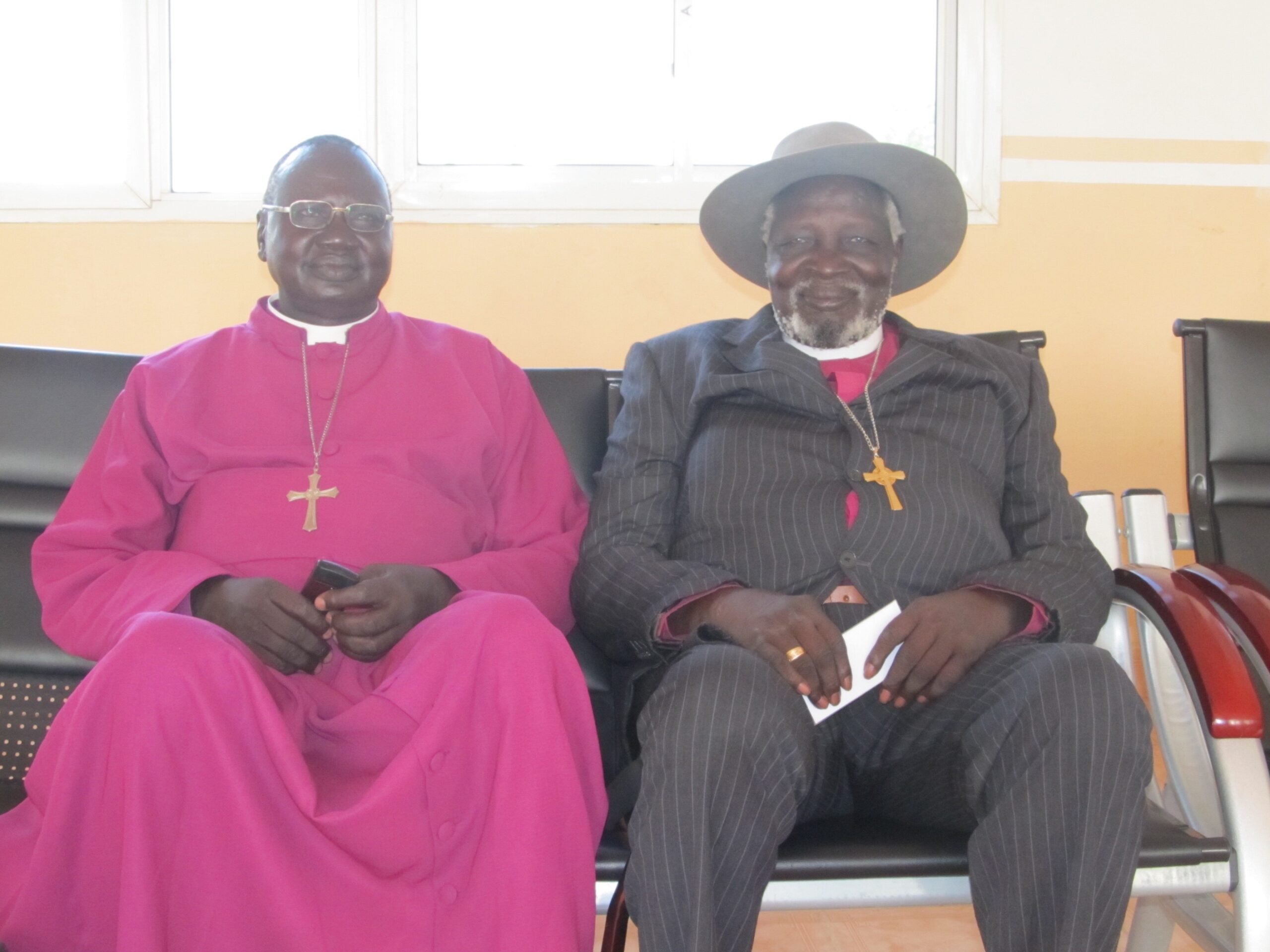
In 1984, Nathaniel Garang Anyieth made history when he was consecrated as the first indigenous Diocesan Bishop of the Episcopal Diocese of Bor—the mother diocese for much of what is now Jonglei Internal Province. For decades prior, the area had been served primarily by foreign missionaries; Garang’s elevation symbolized the full indigenization of the Anglican Church among the Dinka people.
His episcopacy began amid escalating violence. Just months after his consecration, Khartoum government forces attacked Bor, forcing the town to empty as residents fled into rural villages or the deep, inaccessible marshes along the Nile River. Bishop Garang fled with his people. For the next five or six years, he lived among them in isolation, cut off from the outside world, yet tirelessly baptizing, teaching, confirming believers, and ordaining clergy. His pastoral presence sustained Christian communities in hiding.
So complete was his disappearance that at the 1988 Lambeth Conference, he was famously referred to as “the Lost Bishop.” When contact was finally re-established in 1990, the global Anglican Communion rejoiced. But Garang had never stopped working. From the marshes to refugee camps in Kenya and Uganda, he continued his ministry, preaching hope to internally displaced persons (IDPs) and exiles scattered across East Africa, Europe, the United States, and Australia.
Spiritual Liberation: Breaking the Chains of Traditional Beliefs
Bishop Garang’s most enduring legacy may be his fearless evangelization of Greater Jonglei. In a region long dominated by ancestral spirits, sacred groves, and powerful community deities—Aleer eeh Nyarweng, Mayom eeh Kongor, Liirpiou Angakueeth, Mangok de Juet, Atem da Awuliaan, among others—he led a spiritual revolution. Empowered by what many described as extraordinary spiritual gifts, he confronted and dismantled these long-feared idols through persuasive preaching, prayer, and bold Christian witness. Thousands were freed from cycles of fear, sacrifice, and spiritual bondage that had gripped communities for centuries.
He formed vibrant ministries such as Thiec Nhialic, Tuoke Nhial, and the Youth Mama Group, nurturing lay leadership and women’s participation. His team—including the late Canon Daniel Dau Deng (lenhdit), Rebecca Lueth Wel, Majok Deng Mathiang, Mama Mary Achol Deng-Nuer, and Joseph Akol Gak—traveled tirelessly to IDP camps and refugee settlements, offering not only the Gospel but practical hope, reconciliation, and purpose amid the bitterness of war.
In the Kakuma refugee camp in Kenya, his 1993 arrival became legendary. Arriving from an Ethiopian camp dressed in red garments and accompanied by dozens of pastors, he was welcomed like a biblical figure. Crowds ululated, sang spiritual songs, and filled churches to overflowing. A young attendee later recalled sitting on mud benches, watching the bishop hold a rod like Moses’ staff, and internalizing teachings on humility, greed, laziness, and determination: “If you are greedy and lazy you will not reach the Promised Land… There are two things that determine your success in life: God and your determination. Put God first and work hard to excel in life.”
Leadership at the Highest Levels and Retirement
As the civil war drew toward the Comprehensive Peace Agreement (CPA) of 2005 and South Sudan’s independence in 2011, Bishop Garang rose to national prominence within the church. In 2006 he was appointed Dean of the Province. Following the death of Archbishop Joseph Marona, he served as Acting Archbishop of the Episcopal Province of Sudan. He remained the longest-serving bishop of the historic Bor Diocese, guiding it through nearly three decades of upheaval until his retirement in April 2011. He was succeeded by Bishop Ruben Akurdit Ngong after a closely contested election.
In retirement, Bishop Garang continued to command respect. In 2023, the Episcopal Church of South Sudan honored him with an Evangelism Award for lifelong service. Even in his later years, he remained a voice of wisdom, reconciliation, and encouragement for youth and national development. In 2024, at age 84, he was airlifted from Juba to Nairobi for treatment of severe malaria; he recovered and was discharged, but age ultimately took its toll.
A Life of Dual Liberation: Political and Spiritual
Bishop Garang Anyieth was both a veteran of the physical struggle for South Sudanese freedom and its spiritual counterpart. While political liberators like Dr. John Garang fought oppression by Khartoum, Bishop Nathaniel waged war against spiritual oppression—idolatry, fear, and division. Together, their parallel struggles helped birth a new nation grounded in faith and hope.
His influence extended far beyond the pulpit. He bridged ethnic and political divides, promoted church–society cooperation, and urged young people to build rather than destroy. To the Dinka community and Anglicans across South Sudan, he was “Baba Nathaniel”—father, liberator, and icon of resilient faith.
As arrangements are made to repatriate his body for burial in Bor, tributes continue to flood in from church leaders, politicians, refugees he once ministered to, and ordinary South Sudanese whose lives he touched. Many remember him not only as the first bishop of Bor but as the man who kept the flame of Christianity alive when darkness seemed to engulf the land.
Bishop Nathaniel Garang Anyieth Jangdit leaves behind a rich spiritual harvest: thousands of baptized believers, dozens of ordained clergy he raised, vibrant dioceses built on the foundations he laid, and a legacy of courage that will inspire generations. As Archbishop Badi Arama noted, he “gave hope and spiritual guidance… throughout the liberation struggle.”
May his soul rest in eternal peace and rise in glory. South Sudan has lost a giant, but the light he kindled in the marshes, camps, and cathedrals will continue to shine.
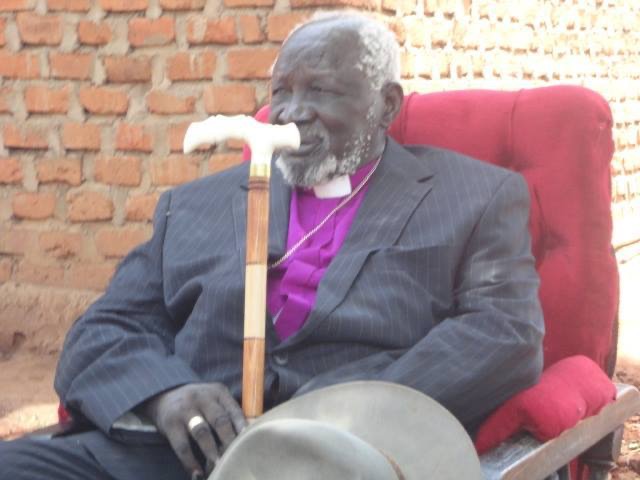
Rest in peace, Bishop Baba Nathaniel Garang Anyieth Jangdit (1940–2026).