

TikTok Secures Landmark US Joint Venture Deal: Dodging Ban Through American Majority Ownership and Oracle-Backed Safeguards
By: Juba Global News Network | JubaGlobal.com Published: January 26, 2026 In a dramatic resolution to years of intense national security debates, geopoliti
By: Juba Global News Network | JubaGlobal.com
Published: January 26, 2026
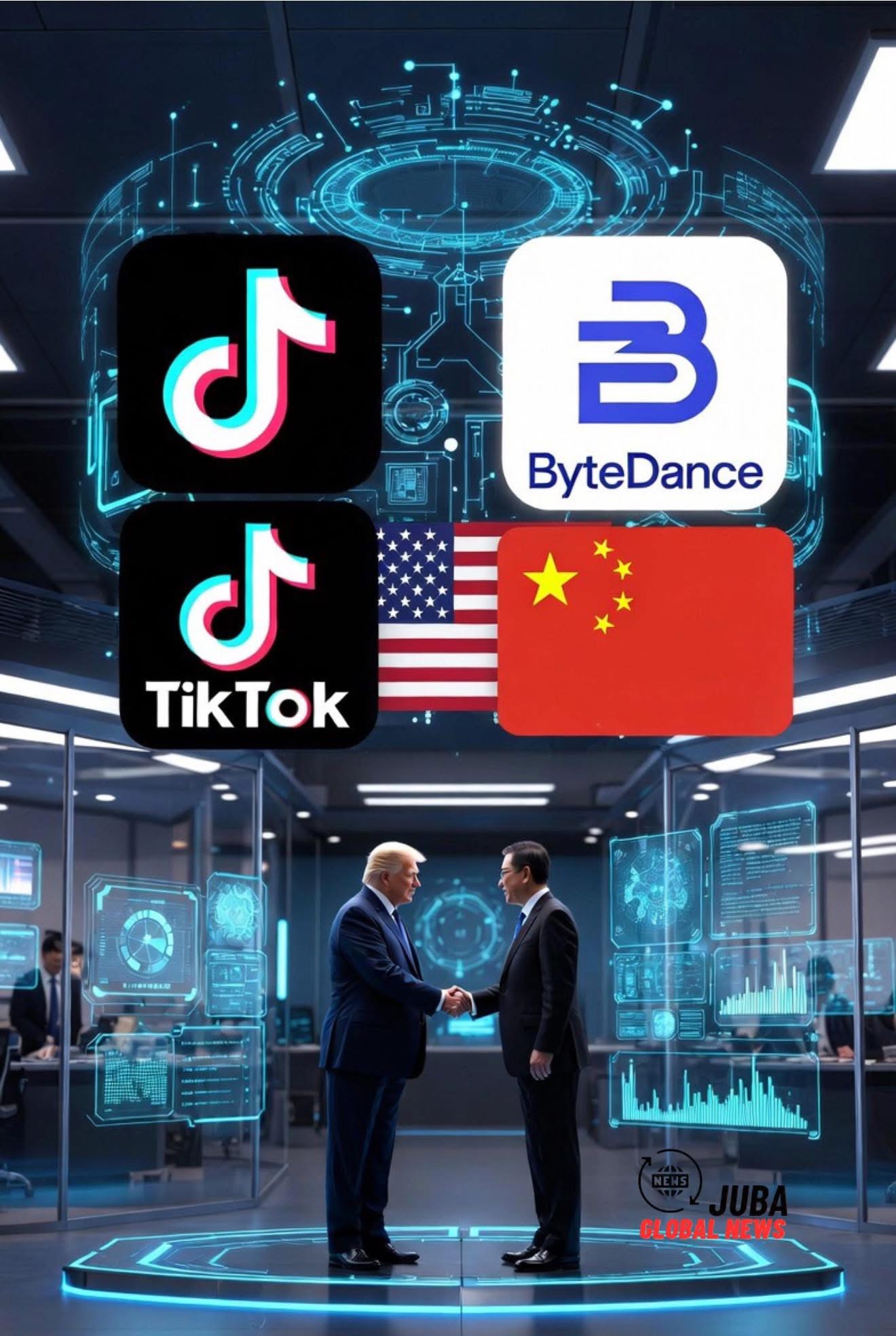
In a dramatic resolution to years of intense national security debates, geopolitical tensions, and legal battles, TikTok has finalized a major restructuring of its U.S. operations. On January 22, 2026, ByteDance—the Chinese parent company—announced the establishment of TikTok USDS Joint Venture LLC, a new entity designed to operate the wildly popular short-video app in the United States under majority American ownership and stringent data protection measures. The deal effectively averts a looming nationwide ban that had threatened to remove TikTok from app stores and force its 170+ million American users to abandon the platform.
The agreement comes after a prolonged saga that began in 2020 under the first Trump administration, escalated through bipartisan legislation in 2024, and reached a critical deadline in early 2025. A U.S. law passed in April 2024 mandated ByteDance to divest its U.S. operations or face a ban by January 19, 2025—later extended amid negotiations. With the deadline looming and no full divestiture achieved, the incoming Trump administration in late 2025 issued an Executive Order on September 25 that paved the way for this alternative structural solution: a joint venture with American stakeholders holding controlling interest.
Key details of the deal include:
- Ownership Structure: ByteDance’s stake is reduced to 19.9%, while non-Chinese investors and American entities control the remaining 80.1%. This majority American ownership satisfies long-standing demands that TikTok’s U.S. business be insulated from direct Chinese influence.
- Data and Algorithm Security: U.S. user data will continue to be stored and managed in Oracle Cloud Infrastructure under the longstanding “Project Texas” framework. The algorithm powering content recommendations will be retrained and secured using U.S.-specific data, with oversight mechanisms to prevent unauthorized access. Comprehensive cybersecurity protocols, including independent audits and government-approved safeguards, are embedded to address fears of data sharing with the Chinese government.
- Leadership and Operations: The joint venture has appointed Adam Presser as CEO, signaling a shift toward U.S.-centric governance. The entity will handle content moderation, user privacy, and platform operations independently, while maintaining TikTok’s core creative ecosystem.
- National Security Safeguards: The deal incorporates “defined safeguards” for data privacy, algorithm integrity, and protection against foreign interference. Oracle’s role as the secure cloud provider remains central, building on agreements first outlined in 2020–2021.
TikTok’s announcement emphasized that the joint venture complies fully with the September 2025 Executive Order and broader U.S. cybersecurity laws. “This structure protects national security through comprehensive data protections, algorithm security, and content moderation independence,” the company stated in its official release.
The move has been hailed by supporters as a pragmatic win-win: TikTok survives in the world’s largest market, creators and businesses retain access to a vital platform, and U.S. officials achieve long-sought structural separation from ByteDance’s Chinese roots. Oracle, co-founded by Trump ally Larry Ellison, plays a pivotal role in housing and securing American user data—reportedly part of a broader $14 billion valuation package for the U.S. operations.
However, the deal is not without controversy. Some lawmakers, including members of Congress from both parties, have called for further scrutiny, arguing that details remain opaque and that ByteDance’s minority stake (plus potential influence through technology licensing or other ties) may not fully eliminate risks. National security experts have expressed skepticism, with some PBS and cybersecurity analysts noting that while data localization helps, indirect influence via algorithm code or parent-company oversight could persist.
Critics point to precedents where similar arrangements with foreign tech firms have faced ongoing monitoring. Others worry the precedent could encourage selective enforcement against apps from certain countries while allowing others to operate freely.
For everyday users, the impact is minimal so far—the app continues uninterrupted, with no forced migrations or feature changes announced. Over 200 million Americans (including a massive Gen Z and creator base) can breathe easier, as the platform that revolutionized short-form video remains available.
This resolution caps a turbulent chapter in U.S.-China tech relations. It reflects a shift from outright bans toward negotiated safeguards in an era of heightened scrutiny over data flows, influence operations, and digital sovereignty.
As the joint venture launches, all eyes will be on independent audits, congressional oversight, and whether this model becomes a blueprint for handling other foreign-owned apps deemed sensitive. For now, TikTok’s U.S. future looks secure—but the debate over global tech trust is far from over.
Juba Global News Network will monitor implementation, user impacts, and any emerging challenges. Stay tuned for updates on this evolving story.
Sources: Reuters, CNN Business, The New York Times, BBC, CNBC, TechCrunch, Al Jazeera, NPR, Fox Business, official TikTok USDS announcements, and U.S. government statements.
