

The Arrest and Deportation of Somali Immigrants in the United States: Legal, Humanitarian, and Policy Considerations
The intensified enforcement actions against Somali nationals in the United States—particularly the wave of ICE arrests, detention, and deportation flights
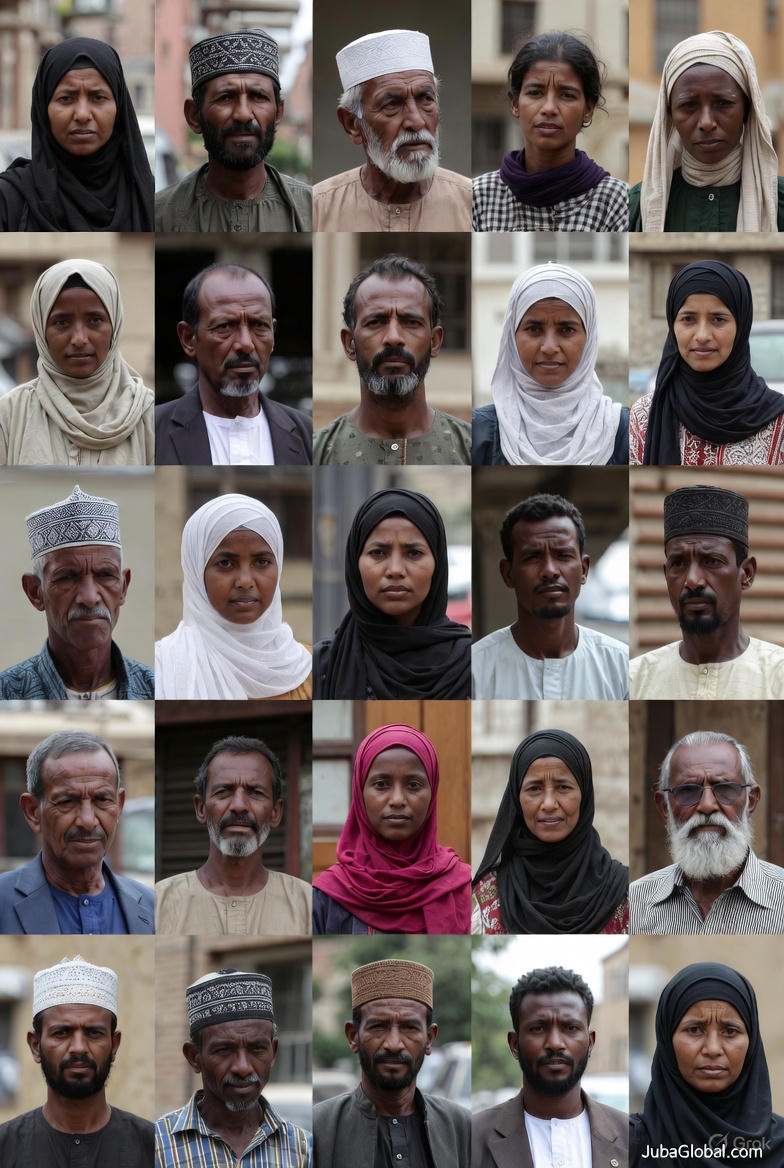
The intensified enforcement actions against Somali nationals in the United States—particularly the wave of ICE arrests, detention, and deportation flights that began accelerating in late 2024 and continued into 2025—have reignited one of the most polarizing debates in American immigration policy. While the Trump administration and its supporters frame these operations as necessary restorations of immigration law and public safety, civil-rights organizations, refugee advocates, and many Somali-American communities describe them as cruel, racially targeted, and legally questionable.
A balanced examination requires acknowledging hard realities on all sides without surrendering to partisan talking points.
1. The Legal Framework
Somali nationals in the United States fall into several distinct immigration categories:
- Refugees and asylees resettled through the U.S. Refugee Admissions Program (the U.S. has admitted more than 150,000 Somalis since the 1990s).
- Recipients of Temporary Protected Status (TPS) or Deferred Enforced Departure (DED).
- Naturalized U.S. citizens (tens of thousands).
- Individuals with final orders of removal, including some who lost asylum cases or committed deportable offenses.
Only the final category is unambiguously subject to immediate deportation under current law. However, several reported 2024–2025 arrests involved individuals with pending asylum appeals, active TPS, or even lawful permanent residency revoked on national-security grounds that critics argue were thinly evidenced. Federal courts have already issued temporary stays in multiple class-action lawsuits challenging the revocation of TPS for Somalis and the use of expedited removal at interior checkpoints.
2. Public-Safety and National-Security Arguments
Proponents of the crackdown point to FBI and DHS data showing a small but non-zero number of Somali-Americans who have been charged with terrorism-related offenses or who traveled to join al-Shabaab or ISIS. They also highlight gang activity involving a subset of young Somali men in Minneapolis–St. Paul (the largest Somali community in the U.S.).
These cases, while serious, represent a tiny fraction of the overall population. According to the New American Economy Project and the FBI’s own statistics, the violent-crime rate among Somali immigrants is lower than the U.S. national average when adjusted for age and socioeconomic status. Conflating an entire diaspora with the actions of a few dozen individuals risks repeating the post-9/11 mistakes made with other Muslim-American communities.
3. Humanitarian and Practical Concerns
Somalia remains one of the most dangerous countries on earth. The U.N. classifies large portions of south-central Somalia as experiencing “catastrophic” hunger (IPC Phase 5 famine) in 2025, while al-Shabaab continues to control significant territory. The principle of non-refoulement—enshrined in the 1967 Protocol to the Refugee Convention, to which the U.S. is a party—prohibits returning individuals to places where they face persecution or serious threats to life.
Mass deportation flights that began in December 2024 have already returned hundreds of individuals to Mogadishu, often with minimal notice and, in several documented cases, without adequate reception or reintegration support. Multiple returnees have reportedly been killed or disappeared shortly after arrival.
4. Economic and Social Contributions
Somali Americans have among the highest entrepreneurial rates of any immigrant group in the United States. In Minnesota, Ohio, and Washington state, Somali-owned businesses employ thousands and have revitalized declining urban neighborhoods. Somali nurses, truck drivers, interpreters, and caregivers filled critical labor shortages during and after the COVID-19 pandemic. Deporting working-age breadwinners tears apart mixed-status families and removes productive taxpayers.
5. A Way Forward That Respects Both Law and Humanity
A principled policy need not choose between enforcement and compassion:
- Prioritize deportation only for individuals with serious criminal convictions or verified terrorist ties.
- Restore and extend TPS or DED for Somalia until the country achieves a measurable improvement in security and governance.
- Expand work permits and pathways to permanent residency for long-term residents who have built lives in the United States.
- Fund robust reintegration programs for any individuals who are lawfully returned, in cooperation with the UNHCR and IOM.
- End the use of immigration detention for non-criminal asylum seekers and refugees awaiting final adjudication.
Conclusion
The arrest and deportation of Somali immigrants cannot be reduced to a simple narrative of “law and order” versus “open borders.” These are real human beings—many of them refugees who fled the same terrorist groups the U.S. claims to fear—now caught between a dysfunctional country they cannot safely return to and an immigration policies that increasingly treat them as disposable.
The United States has the sovereign right to enforce its borders and remove individuals who have no legal basis to remain. It also has moral and legal obligations—not optional sentiments—to ensure that enforcement does not devolve into collective punishment of an entire ethnic or religious community. A nation that prides itself on both strength and decency can, and must, find a policy that honors both imperatives.
