

SSNBS Nimule Station Turns Back Maize Flour Over Standards Issues
SSNBS Nimule Station Turns Back Maize Flour Over Standards Issues Introduction In a move that’s drawn quite a bit of attention, the South Sudan Natio

SSNBS Nimule Station Turns Back Maize Flour Over Standards Issues
Introduction
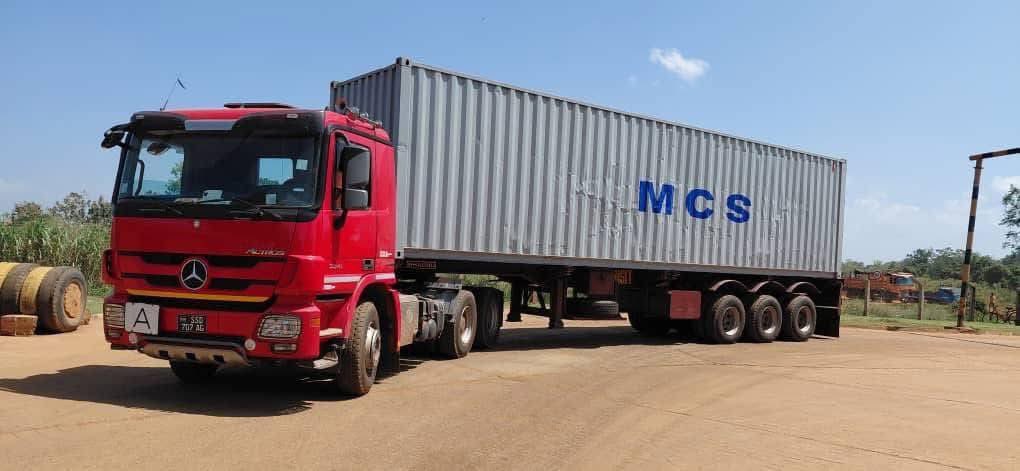
In a move that’s drawn quite a bit of attention, the South Sudan National Bureau of Standards (SSNBS) at the Nimule border recently rejected a shipment of three trucks full of maize flour. This decision really highlights the Bureau’s ongoing efforts to make sure that only food products meeting the country’s established quality standards are allowed in—a critical piece in protecting public health. At the same time, the event calls attention to just how tough it remains for South Sudan to build up a solid regulatory system for food safety. In this article, we’ll take a closer look at what this development means, dig into the broader context of South Sudan’s food regulations, and consider how it all might affect consumers, traders, and the local agricultural sector.
The Maize Flour Consignment Gets Turned Away
On [Insert Date], SSNBS officials at Nimule carried out their usual checks on goods coming into the country, as required by national food safety protocols. It was during these inspections that the three trucks hauling maize flour didn’t pass muster, failing to meet SSNBS standards. The rejection boiled down to several reasons: the maize flour had labeling discrepancies, lacked some of the needed certifications, and didn’t clear tests for contaminants that could put people’s health at risk. The SSNBS—which is tasked with promoting standardization and quality assurance, particularly in agriculture—took this decisive step to make sure only safe and good-quality food gets through to the South Sudanese market. In many ways, this shows just how much the agency has grown in its ability to keep an eye on product quality and actually enforce the rules.
Why Food Safety Standards Matter
Food safety standards are absolutely essential when it comes to protecting the health of a population. They help guarantee that the food supply is not just safe, but also clean and free from dangerous substances that could lead to some pretty serious health issues. Especially in developing countries like South Sudan, strict regulations are vital—not only for public health but also for building consumer confidence in local markets. The country has had its fair share of political and economic turmoil, which has made addressing food safety challenges even harder. Problems like weak infrastructure, limited know-how in food processing, and shaky regulatory systems only add to the hurdles. So, by cracking down at border posts like Nimule, the SSNBS is really sending a strong message about how much food safety matters.
What This Means for Consumers
Turning away the maize flour shipment has some big consequences for the people of South Sudan. By making sure imported foods meet health and safety requirements, the authorities are protecting folks from the risk of foodborne illnesses. The public’s health, really, depends on agencies like the SSNBS taking the initiative to keep a close watch on the food supply. For regular consumers, what it all boils down to is wanting access to food that’s not only safe but also nutritious and of decent quality. Every time substandard goods get rejected, it helps shore up trust in local regulators who are putting health first. There’s also the chance that such moves could push local farmers and producers to start following stricter standards too, since they might want a fair shot against foreign products on the market.
How Importers and Traders Are Affected
For those importing and trading goods, having products turned away at the border can mean a real financial hit. The three trucks in this case are just one example of the kind of risk exporters face in the world of international food trade. Expenses can pile up—maybe they’ll have to re-export the rejected flour, pay for storage, or just throw it out altogether, which is tough for small and medium businesses that often operate with little room for error. Still, as tough as it might feel at first, these kinds of enforcement actions really drive home just how important it is to follow the rules, instead of just chasing profit. Traders would do well to get familiar with local standards before they try to bring goods into South Sudan. Failing to do that could not only cost them money but also hurt their reputation—maybe even make future business a lot more difficult.
Mixed Responses Across Sectors
The SSNBS’s choice to turn away the maize flour shipment has sparked a range of reactions. On one hand, health advocates and consumer groups are cheering the move, saying it’s a positive step towards safer food. Some are even calling for more resources and training for the SSNBS, so they can do a better job of enforcing food safety standards. On the flip side, certain importers and traders aren’t too happy; they’re pointing to a lack of clear information about what’s required for compliance. They argue that a well-defined framework outlining quality standards, plus some support to help them prepare, could help avoid problems like this in the future. Maybe if importers, local suppliers, and the SSNBS worked together more closely, the process would be a lot smoother for everyone involved.
The Local Agriculture Angle
Turning back these trucks of maize flour shines a light on the bigger question of food sovereignty and whether South Sudan’s own agriculture can step up. The country is still struggling with food insecurity, so investing in local farming is crucial. By improving domestic production, South Sudan could lean less on imports, keep prices more stable, and improve food security in general. And if local produce can meet national standards, it means the domestic market is better able to withstand things like global price swings or issues with transport. Helping farmers ensure their products are up to scratch can really strengthen the whole agricultural ecosystem.
Looking Ahead
As South Sudan keeps working on its food safety and quality assurance efforts, the SSNBS’s role is only going to get more important. Looking forward, some possible strategies might include:
- Building Capacity: Providing more training for SSNBS staff so inspections can be more thorough, ultimately protecting both consumers and local producers.
- Clearer Communication: Setting up transparent channels between importers, producers, and regulators could help reduce confusion and make trade smoother.
- Raising Public Awareness: Educating people about food safety standards means they can make smarter choices. If consumers know what to look for, it helps everyone.
- Boosting Local Agriculture: Putting more resources into local farming will cut down on import dependency, while ensuring local products can actually meet standards. Creating partnerships between farmers and regulators could foster better mutual understanding.
Conclusion
The rejection of that maize flour consignment at Nimule by the SSNBS is a clear sign of just how crucial strong regulatory frameworks are for public health. It really brings home the value of food safety standards—not only for protecting consumers, but also for strengthening trade and building up trust in the country’s markets. As South Sudan moves forward with its food safety regulations, cooperation between government, importers, producers, and ordinary consumers is going to be key. If everyone works together, it’s possible to build a genuine culture of compliance and ensure a safe food supply for all. And honestly, in a country still finding its feet, these kinds of steps can set the stage for a healthier, more secure future.