

South Sudan Approves New Information Strategy Ahead of 2026 Elections
Juba, South Sudan – April 11, 2025 – The National Ministry of Information, Communication, Technology, and Postal Services has approved a comprehensive Info
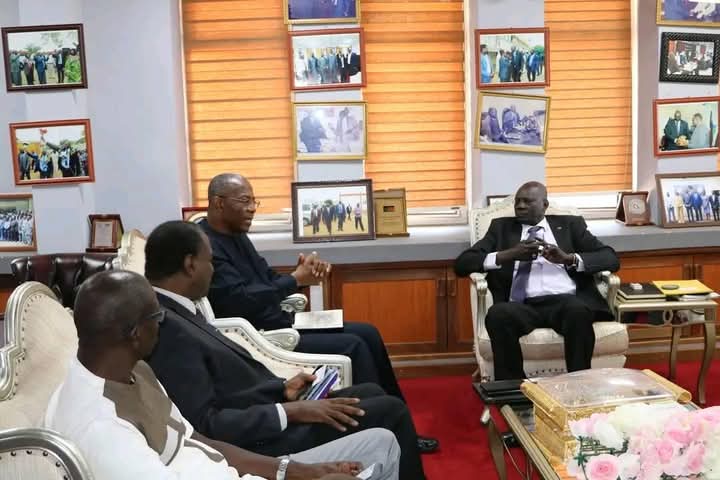
Juba, South Sudan – April 11, 2025 – The National Ministry of Information, Communication, Technology, and Postal Services has approved a comprehensive Information and Communication Strategy designed to steer public messaging and foster civic engagement as South Sudan prepares for its general elections scheduled for 2026. The announcement, made on April 10, 2025, marks a significant step toward shaping the informational landscape in a nation navigating a fragile peace process.
The strategy, developed in consultation with stakeholders including civil society, media houses, and international partners, aims to ensure transparent, inclusive, and credible communication in the lead-up to the polls—the first since South Sudan’s independence in 2011. It outlines measures to combat misinformation, promote voter education, and enhance access to reliable information, particularly in rural areas where connectivity remains limited. Key components include the expansion of digital platforms, partnerships with community radio stations, and capacity-building for journalists to report accurately on electoral processes.
Minister of Information Michael Makuei emphasized the strategy’s role in uniting a polarized populace. “This framework will guide how we communicate with our people, ensuring every citizen understands their role in building a democratic future,” he said during a press briefing in Juba. The plan also addresses cybersecurity concerns, aiming to safeguard public discourse from external interference and divisive propaganda, a persistent challenge in South Sudan’s ethnically diverse society.
The approval comes amid heightened political tensions, including the house arrest of First Vice President Dr. Riek Machar and factional disputes within the Sudan People’s Liberation Movement-In Opposition (SPLM-IO). With the 2018 Revitalized Peace Agreement under strain, analysts see the strategy as a proactive effort to lay the groundwork for a stable electoral environment. However, critics caution that its success hinges on implementation, given past delays in electoral preparations and limited infrastructure outside urban centers.
The ministry has pledged to roll out civic education campaigns by mid-2025, leveraging mobile technology and local languages to reach marginalized communities. As South Sudan approaches this historic milestone, the strategy signals an ambition to foster trust and participation in a nation still healing from a decade of conflict.
jTmFXLWA cACMrp uVEDGFj UMVL Wlbx