

Senate Leaders Scramble to Save Bipartisan Budget Deal as Shutdown Looms
Hours before deadline, negotiations intensify to avoid partial government shutdown over DHS funding disputes. By Juba Global News Network | JubaGlobal.com
Hours before deadline, negotiations intensify to avoid partial government shutdown over DHS funding disputes.
By Juba Global News Network | JubaGlobal.com
January 30, 2026 – Washington, D.C.
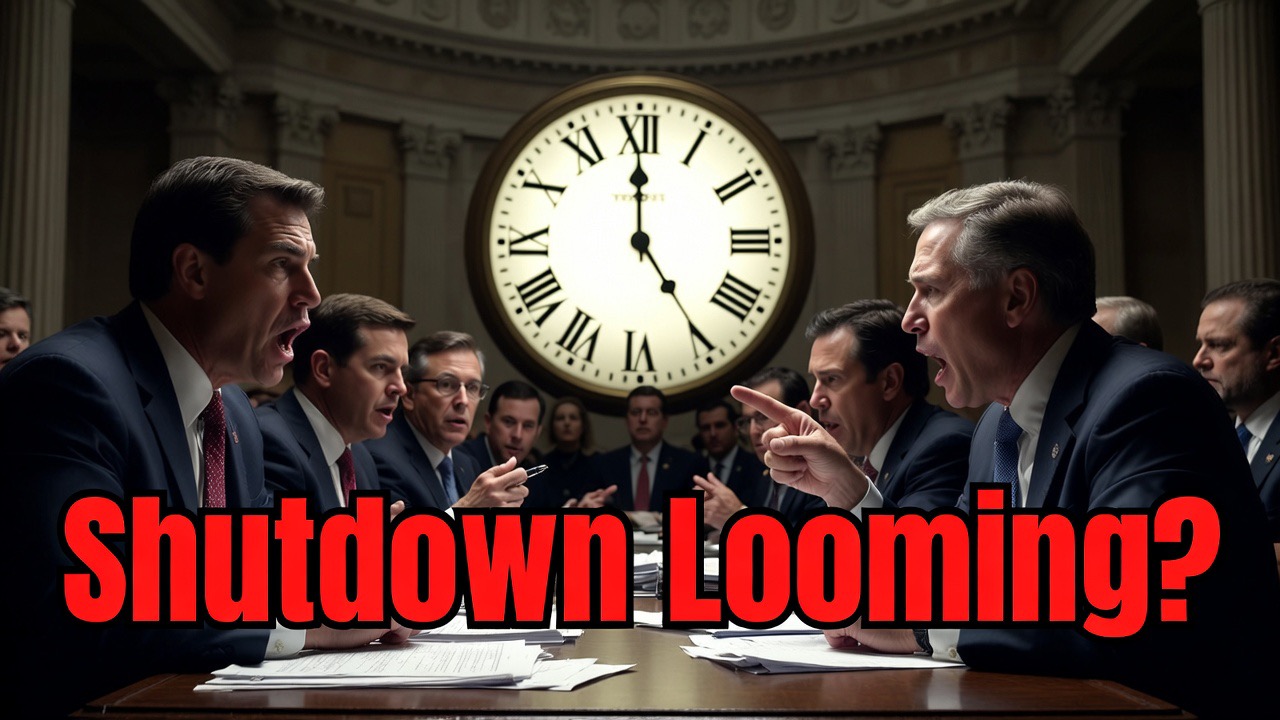
With funding for key federal agencies set to expire at midnight on January 30, 2026, Senate leaders from both parties spent the day in frantic, high-stakes negotiations to salvage a bipartisan budget agreement. The primary obstacle: deep Democratic opposition to unrestricted funding for the Department of Homeland Security (DHS), fueled by public outrage over two recent fatal shootings involving federal immigration agents in Minneapolis, Minnesota.
The incidents—Renée Nicole Good, a 37-year-old mother of three and community protester, killed by an ICE agent on January 7, and Alex Pretti, a 37-year-old ICU nurse at the Minneapolis VA Medical Center, fatally shot by Border Patrol agents on January 24—have transformed what might have been a routine appropriations fight into a flashpoint over immigration enforcement tactics under the Trump administration.
The Fiscal Deadline and the Sticking Point
The current continuing resolution (CR), passed in late 2025, kept the government operational through January 30. House Republicans had advanced a $1.2 trillion package combining six appropriations bills, including one for DHS that allocated approximately $64.4 billion (with $10 billion earmarked for ICE operations), along with funding for Defense, Health and Human Services, Labor, State, Transportation, and Treasury.
Senate Democrats, led by Minority Leader Chuck Schumer (D-NY), refused to support the package if it bundled DHS funding without reforms. Schumer declared that “until ICE is properly reined in and overhauled legislatively, the DHS funding bill doesn’t have the votes to pass.” Key Democratic demands included:
- Mandatory body-worn cameras and “masks off” identification policies for agents during operations
- Warrants or specific probable cause for arrests and roving patrols
- Enhanced de-escalation training and independent oversight of use-of-force incidents
- Limits on federal agent deployments in cities without local cooperation
These reforms gained urgency after videos of the Pretti shooting surfaced, showing him holding a phone rather than a weapon, contradicting initial agency accounts. The Good shooting, involving an ICE agent using lethal force during a traffic-related encounter, further amplified calls for accountability.
Republicans, including Majority Leader John Thune and hardliners like Sen. Ted Cruz (R-TX), argued that separating DHS funding would delay critical border security resources amid what the administration describes as an ongoing crisis. President Trump, via Truth Social, urged a “very much needed Bipartisan ‘YES’ Vote” while emphasizing uninterrupted enforcement.
Path to a Tentative Deal
By late Thursday, a breakthrough emerged: Democrats and the White House agreed to split the package. The Senate would advance five full-year appropriations bills (covering most agencies through September 30, 2026) while providing DHS a short-term continuing resolution—likely two weeks at current levels—to allow separate negotiations on ICE reforms.
Trump endorsed the framework, stating on social media that “Republicans and Democrats have come together to get the vast majority of the government funded until September” with a temporary DHS extension. Schumer confirmed the deal, noting it buys time for “common-sense guardrails” without immediate broad disruptions.
However, challenges remain. A procedural vote earlier Thursday failed 55-45 to advance the original six-bill package, with Democrats unified in opposition and several Republicans joining them. Even with the compromise, the House—currently in recess—must reconvene quickly (potentially over the weekend) to approve the split measures. A brief partial lapse over the weekend appears possible if procedural delays persist.
Potential Impacts of a Partial Shutdown
If funding lapsed without resolution:
- Non-essential personnel at affected agencies would be furloughed, though core operations (e.g., border patrols, TSA screening, Coast Guard missions) would likely continue via prior funding or exemptions.
- National parks, some benefit processing, and non-critical services could close or slow.
- DHS frontline enforcement would largely persist, minimizing immediate immigration operation halts.
- Economic ripple effects could include market volatility, delayed payments, and disruptions to federal contractors.
Markets monitored developments closely, with stocks showing minor dips amid uncertainty.
Broader Context and Political Stakes
This crisis highlights the intersection of fiscal policy and immigration politics in the early Trump administration. The Minnesota shootings—part of intensified enforcement operations—sparked nationwide protests, including today’s “National Shutdown” calls for no work, school, or shopping. Democrats see the funding fight as leverage for oversight; Republicans view it as essential for security.
As votes loom and the clock ticks, the tentative deal represents a rare bipartisan offramp in a polarized Congress. Whether it holds—and what reforms emerge in the coming weeks—could shape public trust in federal immigration agencies and set the tone for future budget battles.
Updates expected throughout the evening and into January 31 as the Senate moves toward final action and the House prepares to respond.
(Juba Global News Network will continue monitoring Capitol Hill developments. This article reflects information available as of January 30, 2026, midday EST.)
