

Rubio at Munich Security Conference: Defends Trans-Atlantic Ties While Warning of ‘Civilizational Erasure’
On February 14, 2026—Valentine’s Day—U.S. Secretary of State Marco Rubio took the stage at the Munich Security Conference (MSC) in Germany, delivering a hi
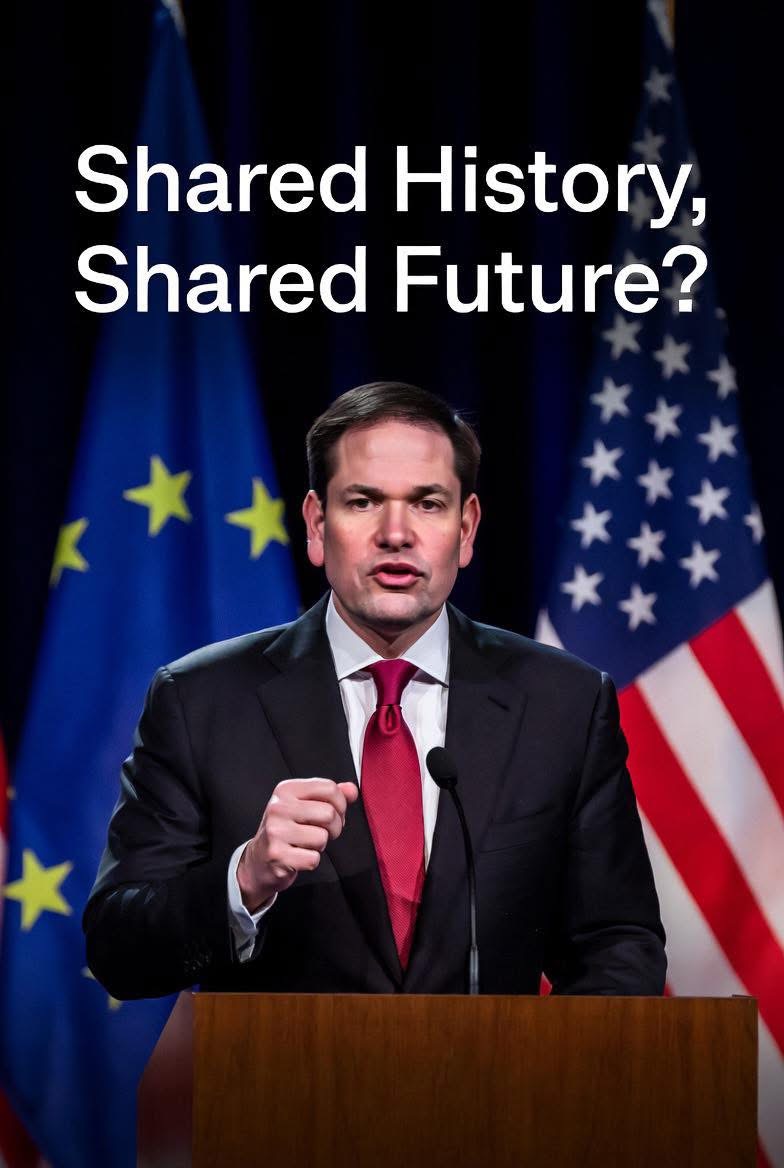
On February 14, 2026—Valentine’s Day—U.S. Secretary of State Marco Rubio took the stage at the Munich Security Conference (MSC) in Germany, delivering a highly anticipated address that sought to reassure European allies while firmly advancing the Trump administration’s vision for a revitalized transatlantic relationship. The speech, delivered amid heightened global tensions and ongoing debates over NATO burdensharing, Ukraine support, and Western identity, struck a notably more conciliatory tone than Vice President JD Vance’s provocative remarks at the same forum the previous year. Yet it did not shy away from sharp criticisms of European policies, particularly on migration, and repeated warnings about threats to Western civilization.
Rubio opened by emphasizing deep historical and cultural bonds between the United States and Europe. “We are part of one civilization—Western civilization,” he declared. “We are bound to one another by the deepest bonds that nations could share, forged by centuries of shared history, Christian faith, culture, heritage, language, ancestry, and the sacrifices our forefathers made together.” He described Americans as “children of Europe,” underscoring that “our home may be in the Western Hemisphere, but we will always be a child of Europe.” The Secretary stressed that the U.S. and Europe “belong together,” and that the fate of the European continent “will never be irrelevant to our own.” This framing drew applause from the audience, many of whom had been anxious about the direction of transatlantic relations under the second Trump administration.
The core message was one of renewal rather than rupture. Rubio called for a “reinvigorated alliance” and expressed the administration’s desire for Europe to be “strong” and capable of defending itself. “We want allies who are proud of their culture and of their heritage, who understand that we are heirs to the same great and noble civilization, and who together with us, are willing and able to defend it,” he said. He positioned the U.S. as ready to lead a global effort of “renewal and restoration,” preferring to do so alongside Europe but prepared to act alone if necessary. This echoed President Trump’s long-standing calls for European nations to meet NATO spending targets and assume greater responsibility for their own security.
A significant portion of the speech focused on internal threats to the West. Rubio warned of “forces of civilizational erasure” menacing both America and Europe alike—language drawn directly from the administration’s recent National Security Strategy. He linked this explicitly to “mass migration,” describing it as “destabilizing” and contributing to a loss of national identities, self-confidence, and cultural cohesion. “We do not want our allies to be shackled by guilt and shame,” Rubio stated. “We want allies who are proud… who understand that we are heirs to the same great and noble civilization.” He criticized post-Cold War “euphoria” that led to a “dangerous delusion” of borderless globalism, the “end of history,” and the replacement of nationhood with commerce alone. In this view, unchecked migration and multicultural policies risk eroding the very foundations of Western societies.
The address contrasted sharply with JD Vance’s 2025 Munich appearance, where the Vice President had stunned attendees by focusing almost exclusively on internal European “threats” like restrictions on free speech and perceived retreats from fundamental values. Rubio’s tone was calmer and more diplomatic, offering reassurances that the U.S. was not abandoning the alliance but seeking to reshape it for a “new era in geopolitics.” European leaders, including EU Commission President Ursula von der Leyen and UK Prime Minister Keir Starmer, welcomed the “reassuring” elements, though analysts noted the speech framed partnership largely on Trump’s terms: a stronger, more self-reliant Europe aligned with American priorities on defense, migration, and cultural preservation.
Broader context at the 62nd Munich Security Conference amplified these themes. Discussions centered on the future of transatlantic ties amid Russia’s ongoing aggression in Ukraine, wavering U.S. commitments, and calls for Europe to transition from “security consumer” to “security provider.” German Chancellor Friedrich Merz emphasized that the U.S. “is not powerful enough to go it alone,” while French President Emmanuel Macron urged Europe to “act proudly” and avoid vilification. Zelenskyy’s appeals for readiness against Russian threats underscored the urgency, even as Rubio’s remarks highlighted shared defense goals rooted in common heritage.
On this day of love and partnership, Rubio’s speech served as a poignant reminder: alliances—like relationships—require mutual effort, honesty about challenges, and a willingness to evolve. While his warnings of “civilizational erasure” drew criticism from some quarters for echoing far-right rhetoric, the overall message of enduring transatlantic unity amid a changing world offered cautious hope. Whether Europe responds by bolstering its defenses, rethinking migration policies, and aligning more closely with Washington’s vision will shape the alliance’s trajectory in the months and years ahead. For now, in the halls of Munich, the transatlantic bond endures—tested, debated, but far from broken.
