

Rising Humanitarian and Security Concerns, Including Attacks on Aid Workers
Violence against aid workers has surged, with a UN staff member found dead after detention by security forces in December, and overall attacks on humanitar
Violence against aid workers has surged, with a UN staff member found dead after detention by security forces in December, and overall attacks on humanitarians increasing in 2025. South Sudan also faces internal challenges like drug abuse crackdowns, local tensions (e.g., revenge killings), and warnings of potential return to wider instability, compounded by hosting refugees from Sudan’s conflict.
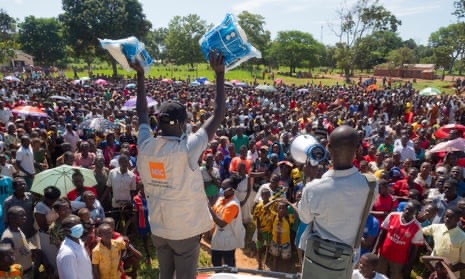
Rising Humanitarian and Security Concerns in South Sudan: A Nation on the Brink Amid Surging Violence and Regional Spillover
By: Juba Global News Network | JubaGlobal.com
Juba, South Sudan – December 29, 2025
South Sudan, the world’s youngest nation, is grappling with a deepening humanitarian and security crisis in 2025. Violence against aid workers has reached alarming levels, with over 200 incidents of direct attacks reported in the first seven months alone—up from previous years—and at least 26 casualties among humanitarians, including killings and injuries. A particularly shocking incident occurred in December when UN Mission in South Sudan (UNMISS) language assistant Bol Rhoch Mayol Kuot was forcibly detained by security forces near Wau on December 15 and subsequently found dead, prompting widespread condemnation from the United Nations. These attacks, combined with internal challenges like inter-communal revenge killings, drug abuse crackdowns, and warnings of broader instability, are exacerbated by the influx of hundreds of thousands of refugees fleeing Sudan’s civil war. Experts warn that without urgent intervention, the country risks sliding back into widespread conflict.
Surge in Attacks on Humanitarian Workers: A Deadly Trend
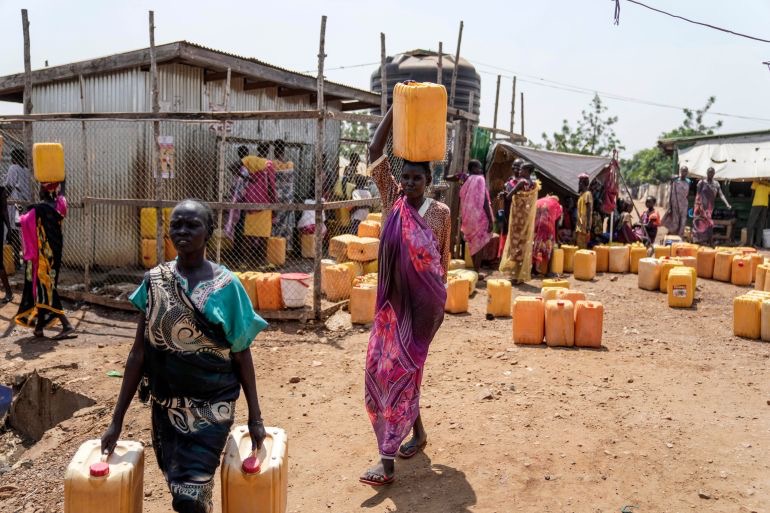
South Sudan remains one of the most dangerous places in the world for aid workers, predominantly South Sudanese nationals who risk their lives to serve their communities. According to the UN Office for the Coordination of Humanitarian Affairs (OCHA), between January and July 2025, over 200 incidents involving violence against humanitarians and their assets were recorded, marking a significant increase. This includes killings, injuries, kidnappings, and looting, severely hampering aid delivery at a time when 9.3 million people—over 70% of the population—need assistance.
The December killing of Bol Rhoch Mayol Kuot, a South Sudanese UNMISS staff member detained by security actors in Western Bahr el Ghazal state, highlighted the perils faced even by UN personnel. UN Secretary-General António Guterres condemned the act in the strongest terms, calling for a swift investigation and justice. UNMISS had been engaging authorities for his release when the tragedy occurred. This incident underscores a broader pattern: repeated attacks on aid convoys, facilities, and personnel, often amid bureaucratic impediments and insecurity.
Humanitarian organizations, including the International Red Cross and Red Crescent Movement, reported 18 staff and volunteers killed across multiple conflicts in 2025, with South Sudan contributing to this grim toll. The Aid Worker Security Database notes a steep climb in global attacks, with South Sudan consistently ranking high. These violations of international humanitarian law not only endanger lives but also restrict access, leaving vulnerable populations without food, medicine, or shelter. 6
Internal Security Challenges: Revenge Killings and Social Issues
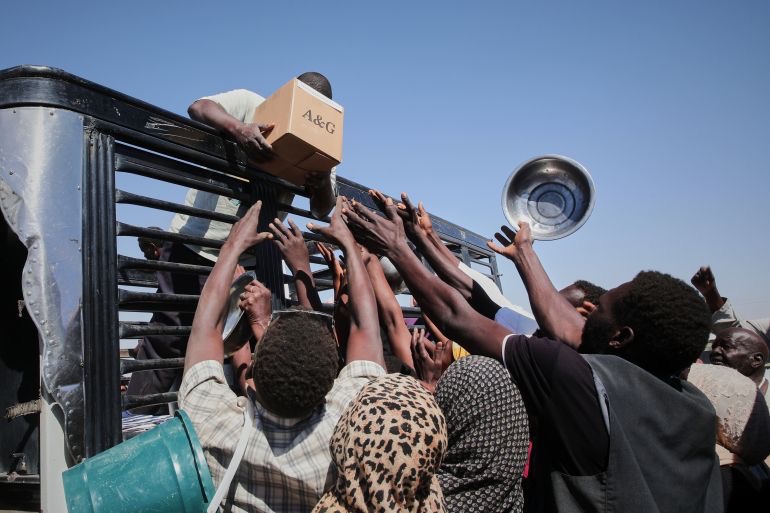
Beyond external threats, South Sudan faces persistent internal violence. Inter-communal clashes, often involving cattle raids and revenge killings, have displaced hundreds of thousands in 2025. In regions like Warrap, Jonglei, and Upper Nile, armed youth groups have engaged in cycles of retaliation, resulting in hundreds of deaths and widespread destruction of homes.
Government efforts to address social ills, such as crackdowns on drug abuse, have added layers of tension in urban areas like Juba. While aimed at curbing rising substance abuse amid economic hardship, these operations have sometimes led to arrests and clashes. Subnational conflicts between government forces and opposition groups, including the National Salvation Front (NAS), have caused civilian casualties, abductions, and sexual violence.
The UN Commission on Human Rights in South Sudan has documented escalating military operations and political crackdowns, warning of a “grave human rights and protection emergency.” Aerial bombardments, ground attacks, and ethnic targeting have displaced over 300,000 people since early 2025, compounding fears of a return to the large-scale civil war that ravaged the country from 2013 to 2018.
Spillover from Sudan’s War: Refugee Influx Strains Resources
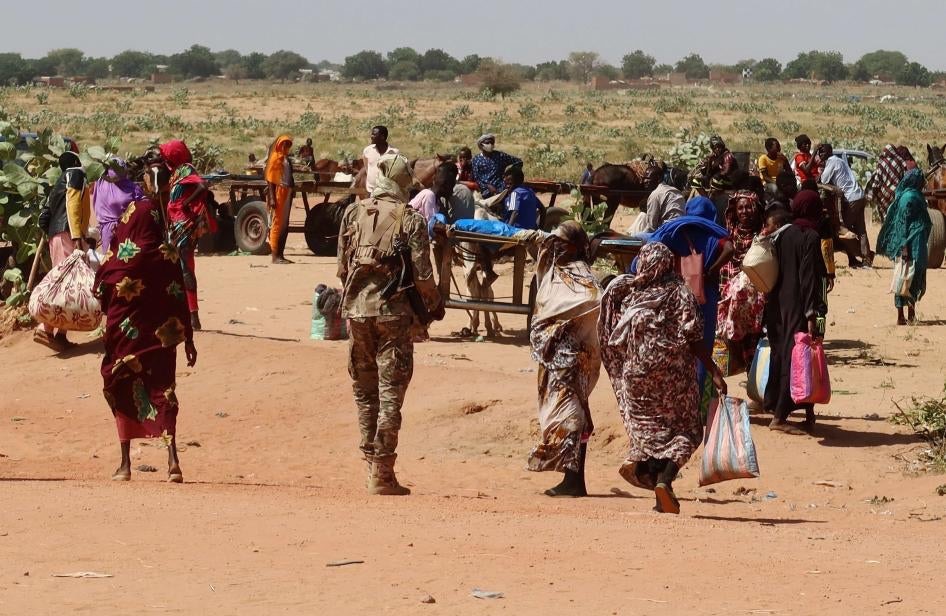
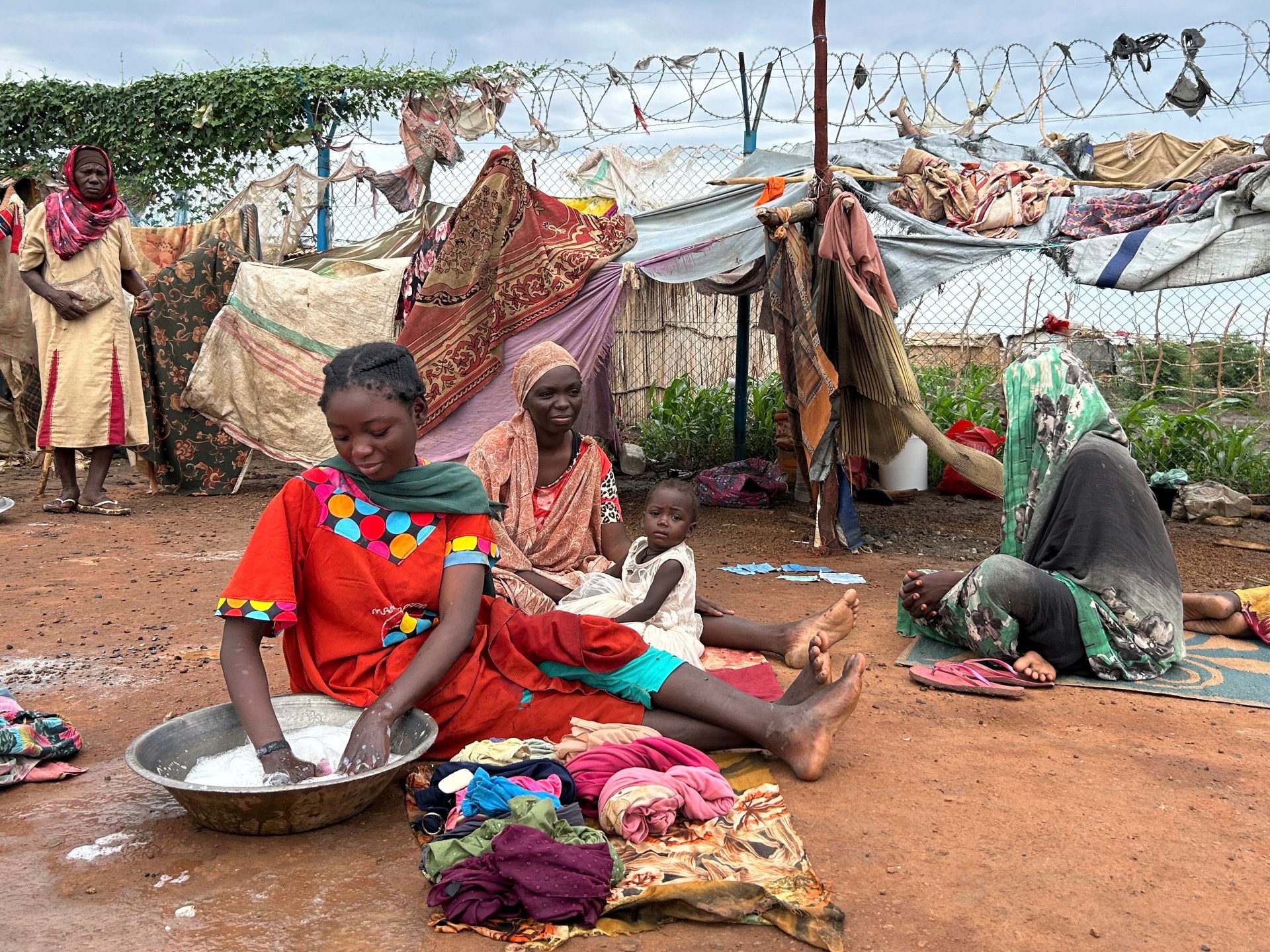
The ongoing civil war in neighboring Sudan has dramatically worsened South Sudan’s crisis. Since April 2023, over 600,000 people—primarily Sudanese refugees and South Sudanese returnees—have crossed into South Sudan, overwhelming already strained services. Camps in northern border areas like Renk and Upper Nile are overcrowded, with reports of malnutrition, disease outbreaks, and inadequate shelter.
Hosting these arrivals amid its own 1.9 million internally displaced persons (IDPs) has stretched resources thin. Floods affecting 1.6 million and a severe cholera outbreak—the worst in history—further compound vulnerabilities. The 2025 Humanitarian Response Plan, requiring billions, is critically underfunded at around 28-30%, forcing aid agencies to prioritize and cut programs.
This spillover includes security risks: revenge attacks on Sudanese nationals in South Sudan following reported ethnic killings in Sudan, leading to curfews and fatalities in Juba and Aweil.
Warnings of Wider Instability: A Turning Point
UN officials and analysts describe South Sudan as at a “turning point.” Escalating violence, political deadlock, stalled peace agreement implementation, and foreign influences risk reigniting full-scale war. The Security Council has been briefed on fading election prospects, ceasefire violations, and the need for renewed dialogue.
With 7.7 million facing acute food insecurity and 83,000 at famine risk, the humanitarian situation is “alarming.” Attacks on civilians, infrastructure destruction, and restricted aid access paint a dire picture. Calls for accountability, protection of humanitarians, and inclusive reconciliation grow urgent.
President Salva Kiir’s government has been urged to investigate incidents thoroughly and ensure security forces uphold human rights. Regional bodies like IGAD and the African Union, alongside the UN, push for commitment to the 2018 Revitalized Peace Agreement.
Path Forward: Calls for Action and Hope Amid Crisis
As 2025 draws to a close, South Sudan’s people endure immense suffering, yet resilience persists. Humanitarian workers continue delivering aid despite risks, reaching millions with food, health, and protection services. International donors, including the EU’s €106 million allocation, provide critical support.
Experts emphasize diversification beyond oil, governance reforms, and national dialogue to break cycles of violence. Protecting aid workers, resolving inter-communal disputes, and integrating refugees sustainably are key.
Juba Global News Network calls on leaders to prioritize peace and humanity. The world must not turn away—sustained attention and funding are vital to avert catastrophe.
For ongoing coverage, visit JubaGlobal.com.