

Right-Wing Populist Laura Fernández Secures Landslide Victory in Costa Rica’s Presidential Election
San José, February 2, 2026 — In a decisive shift that continues Costa Rica’s recent rightward political turn, 39-year-old right-wing populist Laura Fernánd
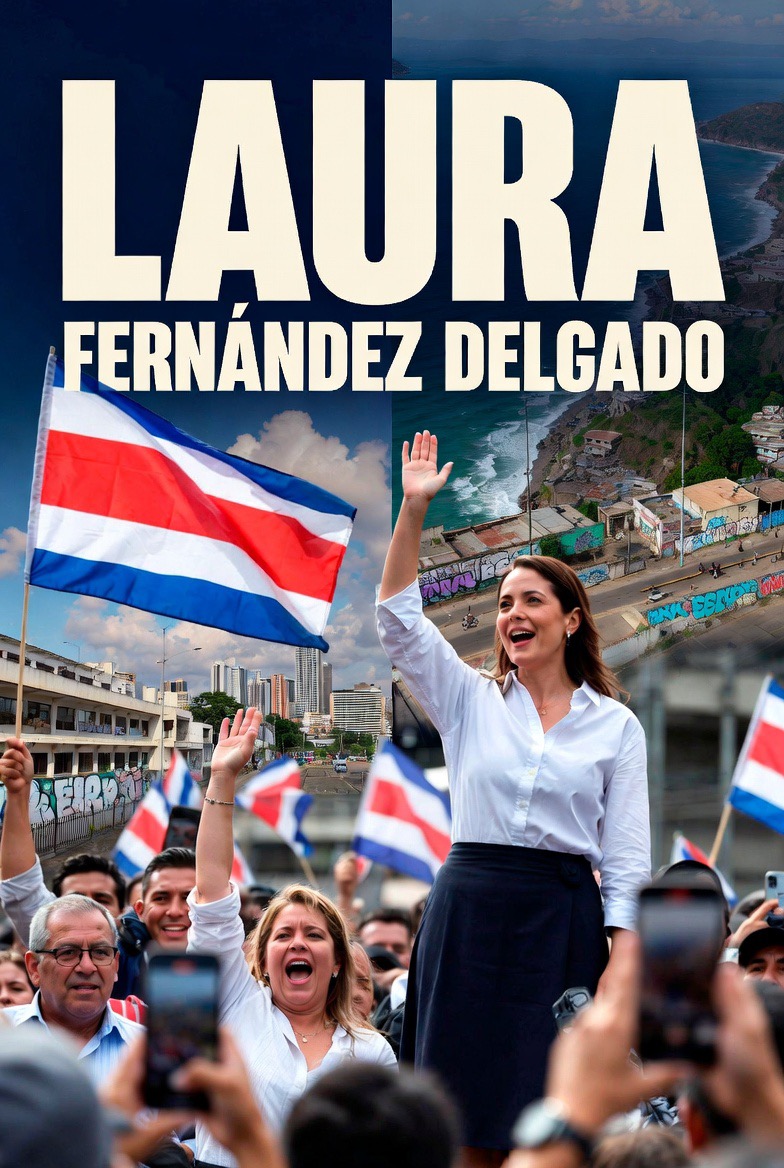
San José, February 2, 2026 — In a decisive shift that continues Costa Rica’s recent rightward political turn, 39-year-old right-wing populist Laura Fernández Delgado has won the country’s presidential election in a commanding first-round victory. Running under the Sovereign People’s Party (PPSO), Fernández captured approximately 48.3% to 48.9% of the vote with over 90% of ballots counted, surpassing the 40% threshold needed to avoid a runoff. This marks the first outright first-round win since 2010 and solidifies the populist project initiated by outgoing President Rodrigo Chaves.
Fernández’s closest rival, centrist economist Álvaro Ramos of the National Liberation Party (PLN), trailed far behind with around 33.4%, promptly conceding defeat in the early hours of February 2. Other candidates, including former figures and independents, received single-digit support in a fragmented field of over 20 contenders. High voter turnout reflected the urgency of the campaign’s dominant issue: surging drug-related violence that has eroded Costa Rica’s long-standing reputation as one of Latin America’s safest and most stable democracies.
A Protégé’s Rise: From Chief of Staff to President-Elect
Laura Fernández, a political scientist born on July 4, 1986, built her career in public service and advisory roles. She served as chief of staff to President Rodrigo Chaves Robles, whose administration (2022–2026) introduced aggressive anti-crime measures, economic reforms, and a confrontational style that polarized the nation but maintained strong approval ratings. Fernández campaigned explicitly on “continuidad del cambio” (continuity of change), positioning herself as the natural heir to Chaves’s legacy.
Her platform emphasized “deep and irreversible” transformations: harsher penalties for drug traffickers and organized crime, expanded police powers, potential military involvement in security, economic liberalization, and reduced bureaucracy. She promised to build a “third republic,” declaring the post-1948 democratic framework outdated in the face of modern threats like cocaine trafficking routes that have turned Costa Rica into a transit hub for international cartels.
The victory also delivers a legislative boost. Preliminary projections indicate the Sovereign People’s Party will secure a majority in the 57-seat Legislative Assembly—potentially around 30 seats, up dramatically from its current eight—giving Fernández significant leeway to advance her agenda without coalition compromises.
The Driving Force: Crime and Insecurity
Costa Rica’s homicide rate has skyrocketed in recent years, reaching record levels tied to turf wars among Mexican and Colombian cartels using the country as a cocaine corridor to North America and Europe. Once boasting one of the region’s lowest violence rates, the nation saw over 900 homicides in 2025, a stark contrast to its peaceful eco-tourism image.
Voters prioritized security above all else, with polls consistently showing insecurity as the top concern. Fernández’s tough-on-crime rhetoric resonated deeply, especially in urban areas and coastal provinces affected by gang activity. Critics, however, raised alarms about potential authoritarian drifts—fears of curtailed civil liberties, media pressure, or weakened institutions—echoing concerns from Chaves’s tenure. Fernández dismissed such warnings, framing her approach as necessary defense of citizen safety.
Broader Regional Implications
Fernández’s win contributes to Latin America’s ongoing rightward shift, joining leaders in Argentina (Javier Milei), El Salvador (Nayib Bukele), and others who have capitalized on anti-crime sentiment. It contrasts with left-leaning governments in Mexico, Colombia, and Brazil, highlighting the region’s ideological volatility amid economic pressures and migration flows.
As the second woman to assume Costa Rica’s presidency—following Laura Chinchilla (2010–2014)—Fernández’s historic role adds a layer of symbolism. She will be sworn in on May 8, 2026, alongside vice presidents-elect Francisco Gamboa and Douglas Soto.
In her victory speech in San José, Fernández struck a triumphant yet unifying tone: “Change will be deep and irreversible. It’s up to us to build the third republic.” Supporters celebrated in the streets, waving party flags, while analysts noted the mandate’s strength could enable rapid policy shifts—or spark resistance if perceived as overreach.
For a country long admired for its stability, democracy, and environmental leadership, Fernández’s presidency signals a new era defined by security-first populism. Whether it restores peace or tests institutional resilience remains to be seen, but the electorate has spoken clearly: continuity of change, at any cost.
