Resolute Stand: Taiwan Vows Stronger Defenses as China’s Military Drills Escalate Regional Tensions

January 5, 2026
By Juba Global News Network | JubaGlobal.com
Taiwanese President Lai Ching-te reaffirmed the island’s unwavering commitment to defending its sovereignty in a New Year’s address on January 1, directly responding to China’s massive military exercises that concluded just days earlier. As Beijing’s People’s Liberation Army (PLA) wrapped up “Justice Mission 2025”—its largest and most intrusive drills to date—Lai warned of China’s “expansionist ambitions” and called 2026 a “crucial year” for Taiwan’s security.
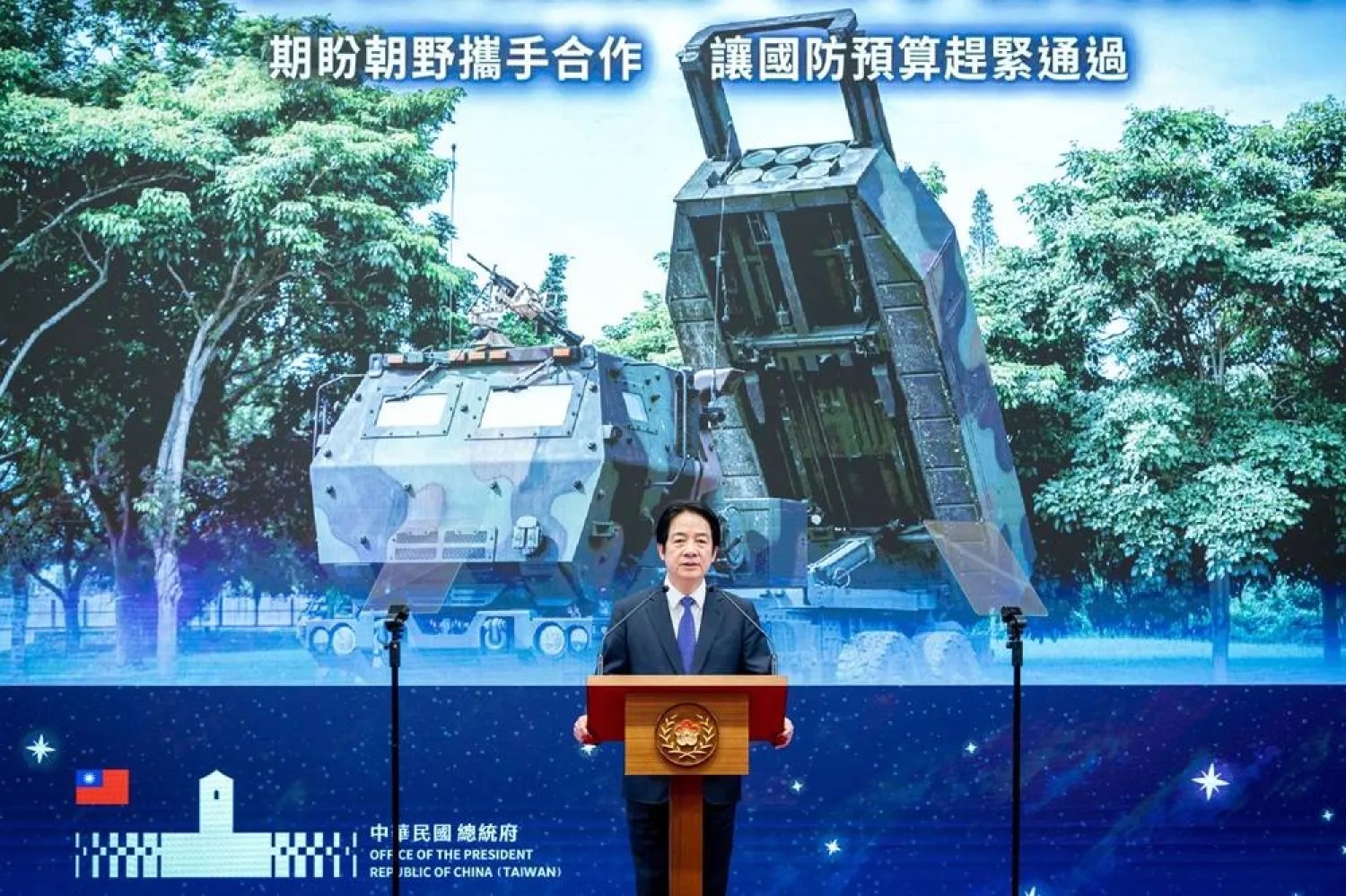
“My stance has always been clear: to firmly safeguard national sovereignty, strengthen national defense and the resilience of the whole society,” Lai declared, emphasizing the need for effective deterrence amid rising threats.
The Drills: A Simulated Blockade and Show of Force
The PLA’s “Justice Mission 2025” exercises, conducted December 29-30, 2025, involved army, navy, air force, and rocket force units simulating a full maritime and air blockade of Taiwan. Dozens of rockets fired toward the island, with some landing in Taiwan’s contiguous zone—the closest live-fire activity yet. Warships, aircraft, and coast guard vessels encircled the island, disrupting hundreds of flights and rehearsing port interdiction, counter-intervention operations, and seizure of key areas.
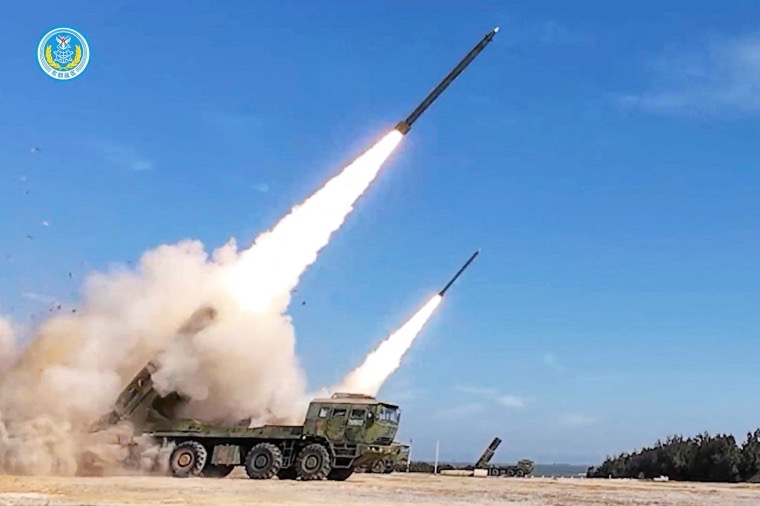
Beijing described the drills as a “stern warning” against “Taiwan independence separatist forces” and “external interference,” citing recent U.S. arms sales and perceived provocations. Analysts note the exercises eroded buffers like the Taiwan Strait median line and contiguous zone, heightening miscalculation risks.
Taiwan remained on high alert, dispatching jets and ships to monitor, while condemning the maneuvers as provocative and destabilizing.
Lai’s Response: Unity, Deterrence, and Preparedness
In his address, Lai urged political unity to pass stalled defense budgets, including a special $40 billion allocation for advanced systems like the “Taiwan Dome” air defense network. He pledged to raise defense spending toward 5% of GDP by 2030, focusing on asymmetric warfare capabilities to counter superior PLA forces.
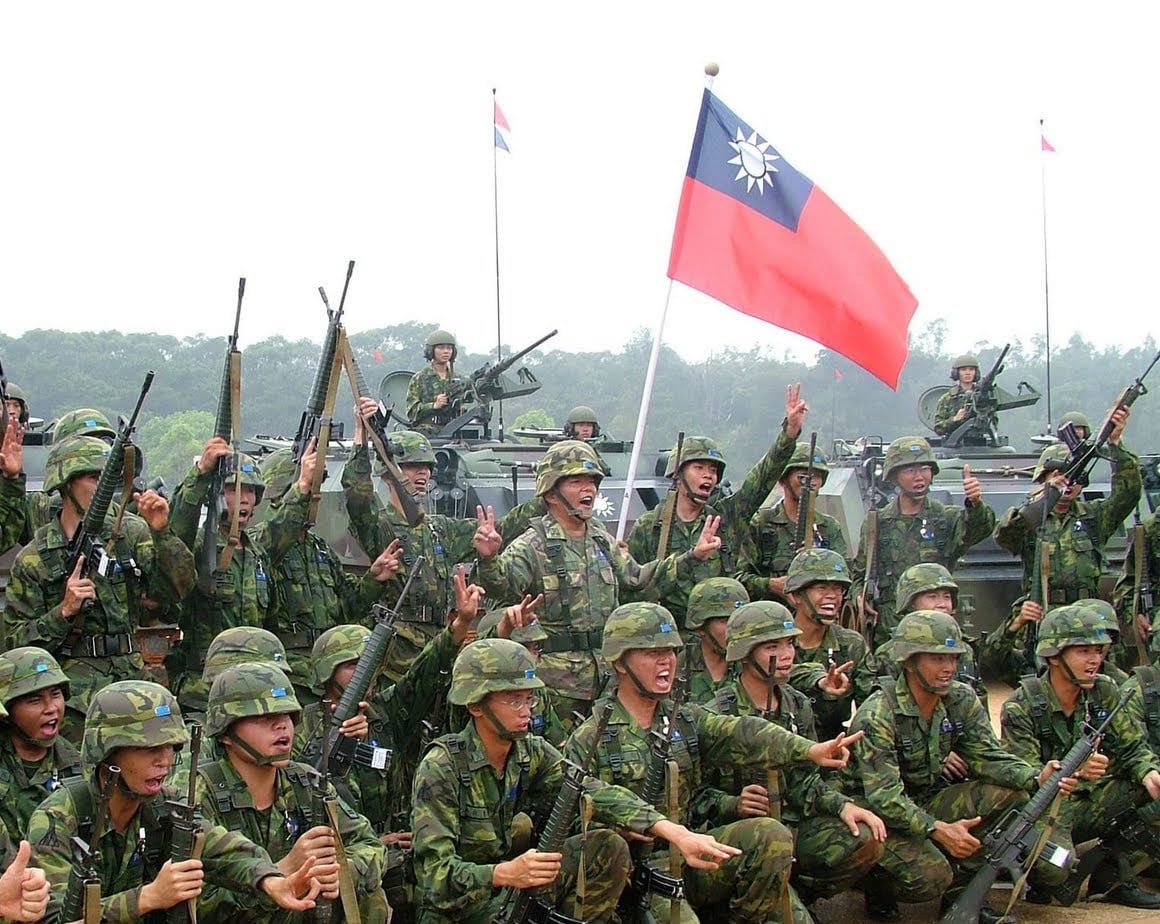
“The coming year, 2026, will be a crucial one for Taiwan,” Lai stated. “We must make plans for the worst, but hope for the best.” He reiterated willingness for dialogue on equal terms while rejecting unification under Beijing’s framework.
International Reactions: Calls for Restraint
The United States urged China to cease military pressure, supporting peace across the Taiwan Strait and opposing unilateral changes. Allies echoed concerns, viewing the drills as unnecessary escalation.
China dismissed Lai’s speech as hostile, vowing continued combat readiness.
Broader Implications
As drills become more frequent and intrusive since Lai’s May 2024 inauguration, tensions mount. Experts warn of eroding status quo, with 2026 potentially testing resolve amid U.S. policy shifts and Taiwan’s elections approaching.
Taiwan’s leadership signals no retreat, prioritizing resilience and deterrence in this volatile chapter of cross-strait relations.
By: Juba Global News Network | JubaGlobal.com