

Renewed Bloodshed on the Thailand-Cambodia Border: Deadly Clashes and Diplomatic Maneuvers
In a dramatic escalation of a century-old territorial dispute, deadly clashes erupted along the Thailand-Cambodia border in early December 2025, marking th
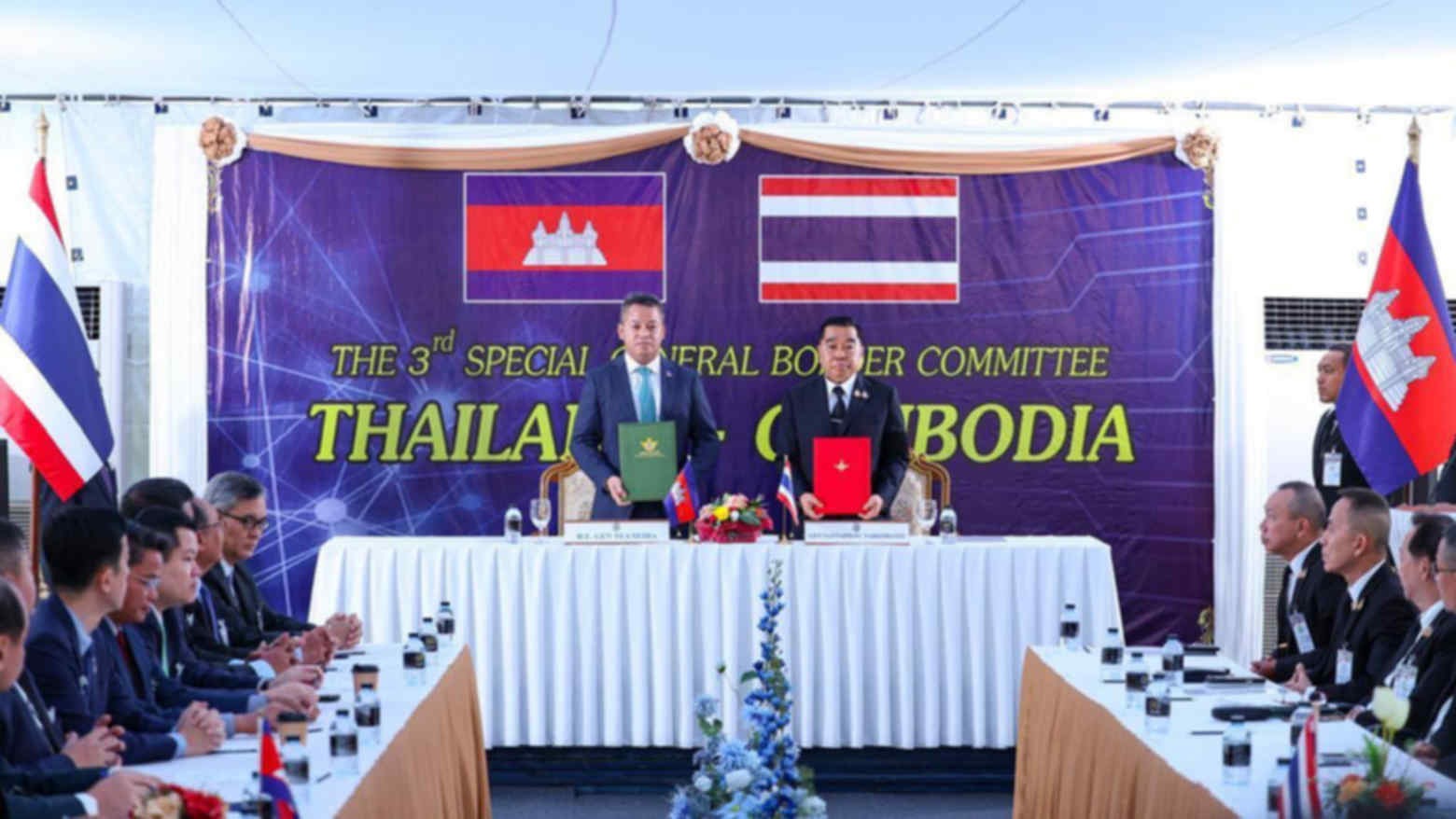
In a dramatic escalation of a century-old territorial dispute, deadly clashes erupted along the Thailand-Cambodia border in early December 2025, marking the most intense fighting between the two Southeast Asian neighbors in years. The violence, which began with skirmishes on December 7 and rapidly intensified, resulted in over 100 confirmed deaths—including 26 Thai soldiers and numerous civilians on both sides—and displaced more than half a million people. After weeks of artillery barrages, airstrikes, and ground engagements, Thailand and Cambodia signed an immediate ceasefire on December 27, 2025, with top diplomats convening in China the following day to solidify the fragile truce. As of December 29, the guns have fallen silent, but underlying tensions and mutual accusations persist, raising questions about the durability of peace in this volatile region.
The Outbreak: From Skirmish to Full-Scale Combat
The latest round of hostilities reignited on December 7, 2025, with a brief but intense 30-minute skirmish along the undemarcated border. Both sides accused the other of firing first, but the incident quickly spiraled. By December 8, Thailand launched airstrikes using F-16 fighter jets on Cambodian positions, targeting alleged artillery sites. Cambodia responded with rocket barrages, including BM-21 systems, into Thai territory.
Fighting spread across multiple provinces: on the Thai side, affecting areas like Surin, Sisaket, and Ubon Ratchathani; on the Cambodian side, impacting Oddar Meanchey, Preah Vihear, and Banteay Meanchey. Thailand initiated “Operation Sattawat” on December 10, seizing strategic localities in northern Cambodia. Reports emerged of heavy weaponry, including cluster munitions and drones, with Thai forces gaining ground in forested highlands.
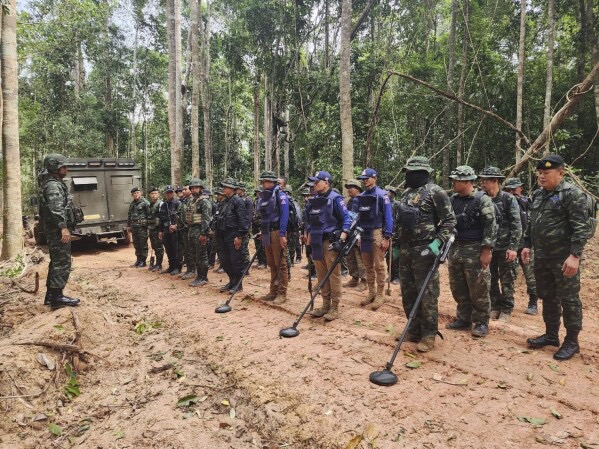
Casualties mounted rapidly. Thailand reported 26 soldiers killed directly in combat, alongside 45 civilian deaths from collateral damage and one direct civilian fatality. Cambodia officially acknowledged 30 civilian deaths and 90 injuries but did not release military casualty figures; Thai estimates suggest hundreds of Cambodian soldiers may have perished, reflecting Thailand’s superior air power and equipment.
The humanitarian toll was immense: over 500,000 displaced in Cambodia and similar numbers in Thailand, with evacuations overwhelming temporary shelters. Border crossings closed, trade halted, and events like the 2025 SEA Games suffered when Cambodia withdrew its delegation.
Historical Roots: A Century of Contention
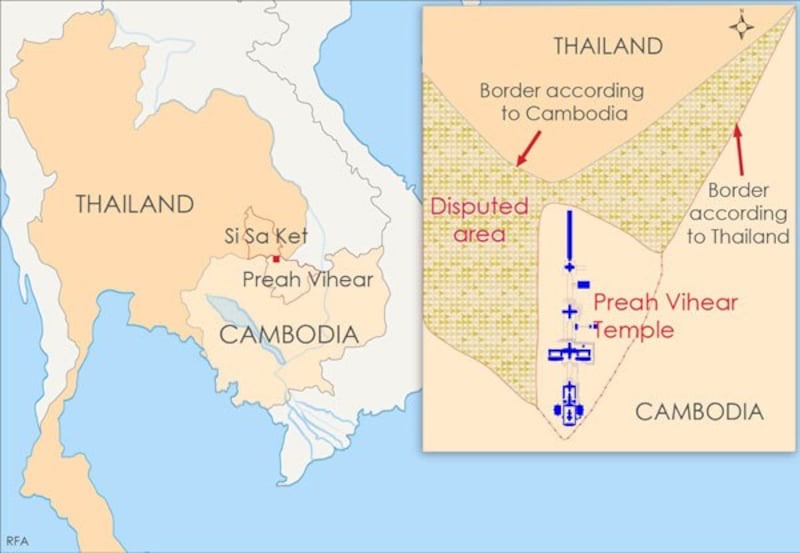
The 817-kilometer border, drawn during French colonial rule of Cambodia, has been a flashpoint since the early 20th century. Key disputes center on ancient temples like Preah Vihear (awarded to Cambodia by the International Court of Justice in 1962, with surrounding land ambiguous) and Ta Muen Thom.
Tensions simmered through 2025: a May skirmish killed a Cambodian soldier; July saw five days of intense fighting ending in a U.S.- and Malaysia-brokered ceasefire; November landmine incidents led Thailand to suspend the accord. The December resurgence shattered that fragile peace, with each side blaming violations like new landmines or incursions.
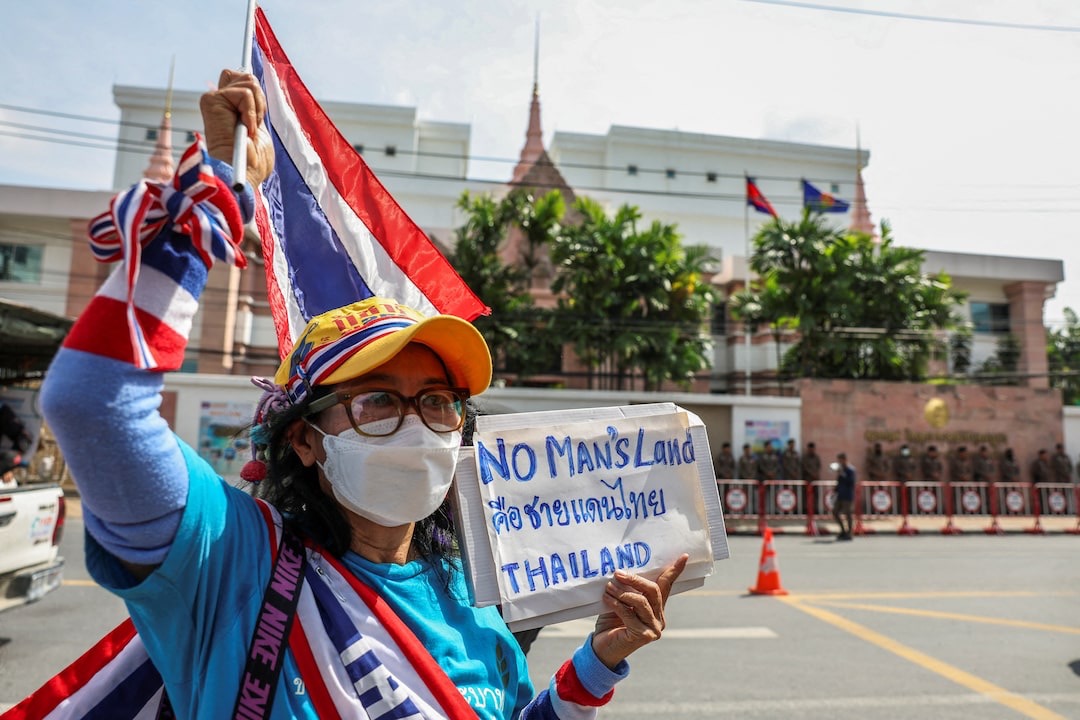
Domestic politics exacerbated the crisis: Thai leaders framed actions as defending sovereignty, while Cambodian officials decried “aggression.”
Diplomatic Efforts: From Breakdown to Beijing-Brokered Truce
Initial mediation attempts faltered. A July ceasefire, facilitated by U.S. President Donald Trump and Malaysian Prime Minister Anwar Ibrahim, collapsed amid accusations. Trump claimed progress in December but was sidelined as fighting raged.
China emerged as a key player, dispatching envoys and hosting talks. On December 27, defense ministers signed a ceasefire in Chanthaburi Province, Thailand, pledging no further troop movements, airspace respect, civilian returns, and landmine clearance. Thailand agreed to release 18 captured Cambodian soldiers after 72 hours of compliance.
The next day, Thai and Cambodian foreign ministers met Chinese Foreign Minister Wang Yi in Yunnan Province to reinforce the deal. Beijing welcomed the truce, offering humanitarian aid and positioning itself as a constructive mediator in regional security.
International Reactions and Broader Implications
Global responses reflected concern over instability in a vital trade corridor. The U.S. emphasized implementation of prior accords; China highlighted its “quiet diplomacy.” Media coverage varied: Western outlets stressed humanitarian impacts and Trump’s earlier role, while regional sources noted Beijing’s growing influence.
Experts warn of risks: lingering grievances over lost territory and equipment could fuel resurgence. Economic fallout includes disrupted trade and returning migrants. Positively, the truce demonstrates multilateral mediation’s potential, with China bolstering its regional stature.
Toward Lasting Peace?
As December 29 dawns with relative calm, the ceasefire holds, but full demarcation and trust-building remain elusive. Bilateral mechanisms and international oversight will be crucial. For now, displaced families eye tentative returns, hoping this chapter closes a painful era in Thailand-Cambodia relations. The border, once again, tests Southeast Asia’s resilience.
