

Rare Prison Sentences for Cameroon Soldiers in Anglophone Crisis: Three Jailed for Role in 2020 Ngarbuh Massacre of 21 Civilians
In a development described by human rights groups and legal observers as rare and significant — though criticized as insufficient — a military court in Yao
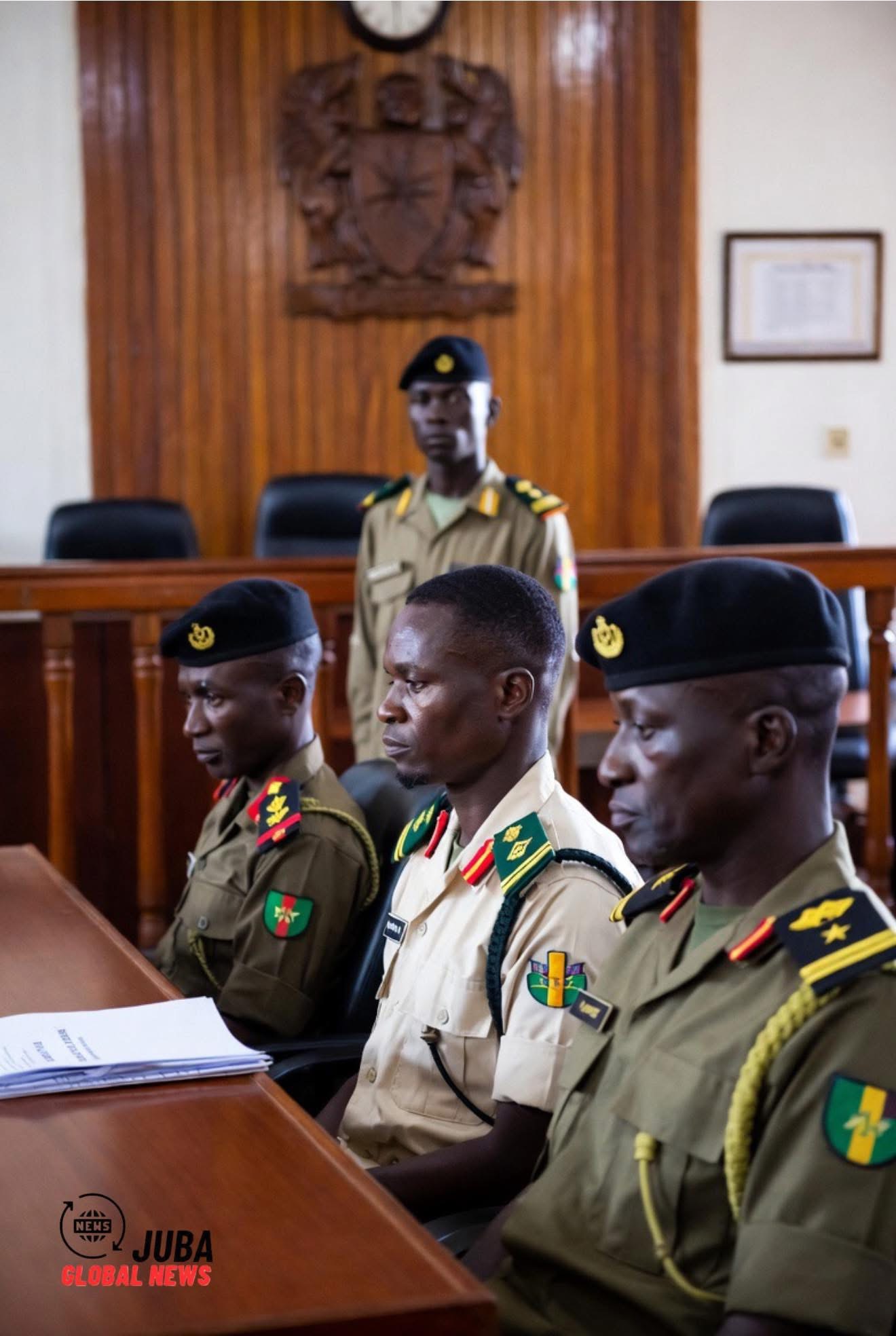
In a development described by human rights groups and legal observers as rare and significant — though criticized as insufficient — a military court in Yaoundé, Cameroon, on February 20, 2026, sentenced three soldiers to prison terms ranging from five to ten years for their involvement in the February 14, 2020, massacre of at least 21 civilians in the village of Ngarbuh, Northwest Region. The convictions mark one of the few instances in Cameroon’s long-running Anglophone crisis where members of the security forces have faced jail time for serious crimes against civilians.
The sentences were handed down after a military tribunal found the soldiers guilty of murder, arson, and destruction of property. Sergeant Baba Guida received eight years, Gendarme Haranga Gilbert was sentenced to ten years, and Corporal Sanding Sanding got five years. A member of a local Fulani militia who participated in the raid was also jailed on similar charges. The crimes carry a minimum ten-year term under Cameroonian law, making the lighter sentences for some defendants a point of sharp contention.
The Ngarbuh Massacre: A Defining Atrocity
The killings occurred during a military operation in Ngarbuh village in the Northwest Region — one of Cameroon’s two English-speaking regions engulfed in armed conflict since late 2016. Government forces, supported by ethnic Fulani militia, raided the community, which separatist groups accused of sheltering armed fighters seeking independence for “Ambazonia.”
According to investigations by Human Rights Watch, Amnesty International, and local NGOs, soldiers and militia members executed at least 21 civilians — including 13 children and a pregnant woman — burned homes, looted property, and attempted to cover up the crime by setting bodies on fire and initially denying responsibility. The massacre drew international condemnation and forced the government, after weeks of denial, to admit partial military involvement and order an inquiry.
The commission of inquiry eventually identified three security force members as directly responsible, leading to their arrest in 2020. The trial, which opened in late 2020 before a military court in Yaoundé, was marred by delays, limited victim participation, closed-door proceedings, and allegations that key evidence (including death certificates) was excluded. Victims’ families and lawyers described the process as opaque and biased toward the military.
A Rare Break in Impunity — But Critics Call It “Insignificant”
Lawyers representing victims’ families condemned the sentences as “mild” and “insignificant,” arguing they fall short of justice given the gravity of the crimes and the minimum statutory penalties. They highlighted that senior officers implicated in command responsibility were never arrested or charged, and that the trial’s irregularities undermined accountability.
Human rights organizations welcomed the convictions as a positive step toward breaking the near-total impunity that has characterized abuses by state forces in the Anglophone regions. Yet they stressed that such cases remain exceptional: thousands of civilians have died in the conflict (estimates exceed 6,000 since 2016), with credible reports of extrajudicial killings, torture, arbitrary detention, and village burnings by both government troops and separatist fighters.
The Anglophone crisis — rooted in long-standing grievances over marginalization of English-speaking Cameroonians, unequal access to justice and education, and central government dominance — has displaced more than 700,000 people internally and driven tens of thousands into refugee camps in Nigeria. Separatist groups (including the Ambazonia Defence Forces) have also committed atrocities against civilians accused of collaboration, closing schools, imposing “ghost towns,” and attacking state symbols.
Broader Implications for Justice and Peace
The sentencing comes amid ongoing violence: clashes between troops and separatists continue, villages remain abandoned, and humanitarian needs escalate. Observers hope the case signals a slight shift toward accountability — especially after international pressure from the UN, African Union, and Western governments.
However, without broader reforms — including independent civilian oversight of military courts, prosecution of higher-ranking officers, and genuine dialogue to address the crisis’s root political causes — many fear these sentences will remain symbolic outliers rather than the start of systemic change.
For the families of Ngarbuh’s victims — six years after burying their loved ones — the sentences offer partial closure but fall far short of full justice. As one victim’s lawyer told the BBC: “This is not enough. The pain remains, and impunity for the powerful endures.”
The Anglophone conflict continues to claim lives daily. Until justice becomes the rule rather than the rare exception, healing and peace in Cameroon’s English-speaking regions will remain elusive.

Porn web offer a variety off videoss for adult entertainment.
Opt for secure porn sites forr a safe experience.
Have a look at my homepage … BUY VIAGRA ONLINE