

Omar al-Bashir: Sudan’s Long-Serving Former President and His Enduring Legacy
By: Juba Global News Network | JubaGlobal.com December 31, 2025 – Omar Hassan Ahmad al-Bashir, the former President of Sudan who ruled the country for thre

By: Juba Global News Network | JubaGlobal.com
December 31, 2025 – Omar Hassan Ahmad al-Bashir, the former President of Sudan who ruled the country for three decades—one of the longest tenures of any modern African leader—continues to cast a long shadow over Sudan’s turbulent history. Born on January 1, 1944, al-Bashir rose from a military officer to become a central figure in Sudan’s post-independence era, marked by civil wars, economic challenges, international isolation, and allegations of serious human rights abuses. As 2025 draws to a close, with al-Bashir reportedly receiving medical care amid the ongoing civil conflict, his story remains a pivotal chapter in understanding Sudan’s past and present.
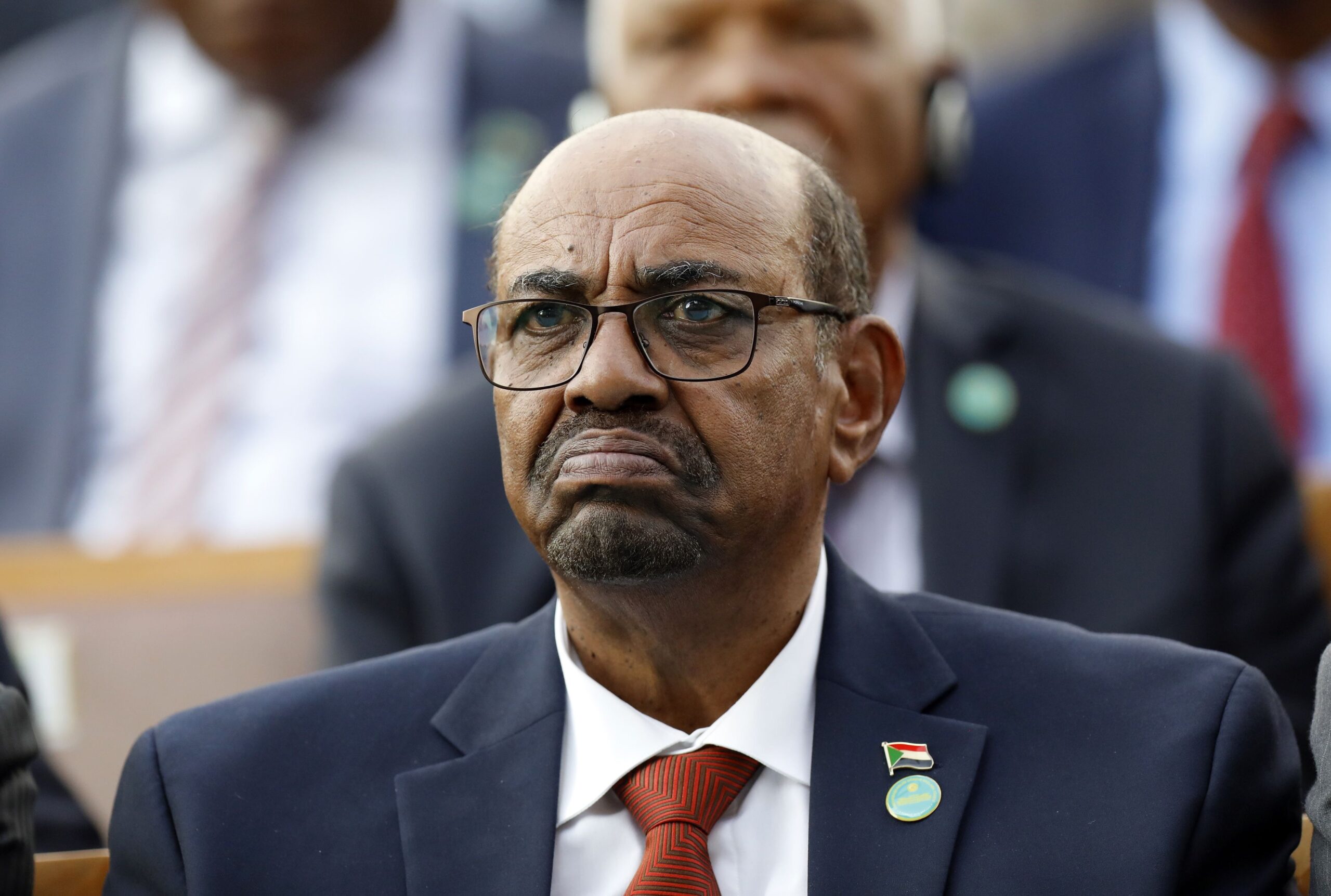
Early Life and Military Career
Omar al-Bashir was born in Hosh Bannaga, a small village north of Khartoum, to a modest farming family belonging to the Ja’alin Arab tribe. Nicknamed “Omeira” (Little Omar) as a child, he grew up in a rural setting before joining the Sudanese army. He trained at the Sudan Military Academy and later studied in Egypt, serving in the Egyptian armed forces during the 1973 Arab-Israeli War.
By the 1980s, al-Bashir had risen through the ranks, commanding paratrooper units and participating in the long-running civil war against southern rebels. His military background positioned him as a key player in Sudan’s frequent coups and political instability.
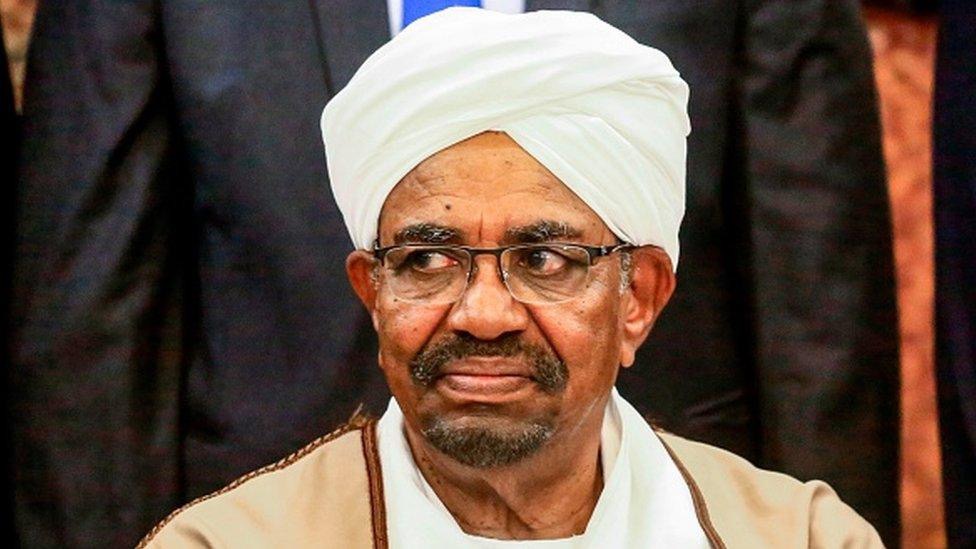
Rise to Power: The 1989 Coup
On June 30, 1989, al-Bashir, then a brigadier, led a bloodless military coup backed by Islamist ideologue Hassan al-Turabi and the National Islamic Front. The junta overthrew the democratically elected government of Prime Minister Sadiq al-Mahdi, suspending the constitution, dissolving parliament, and banning political parties.
Initially presenting himself as a transitional leader, al-Bashir consolidated power, implementing Sharia law in the north and aligning Sudan with Islamist movements. This era saw Sudan host figures like Osama bin Laden in the 1990s, drawing international scrutiny.
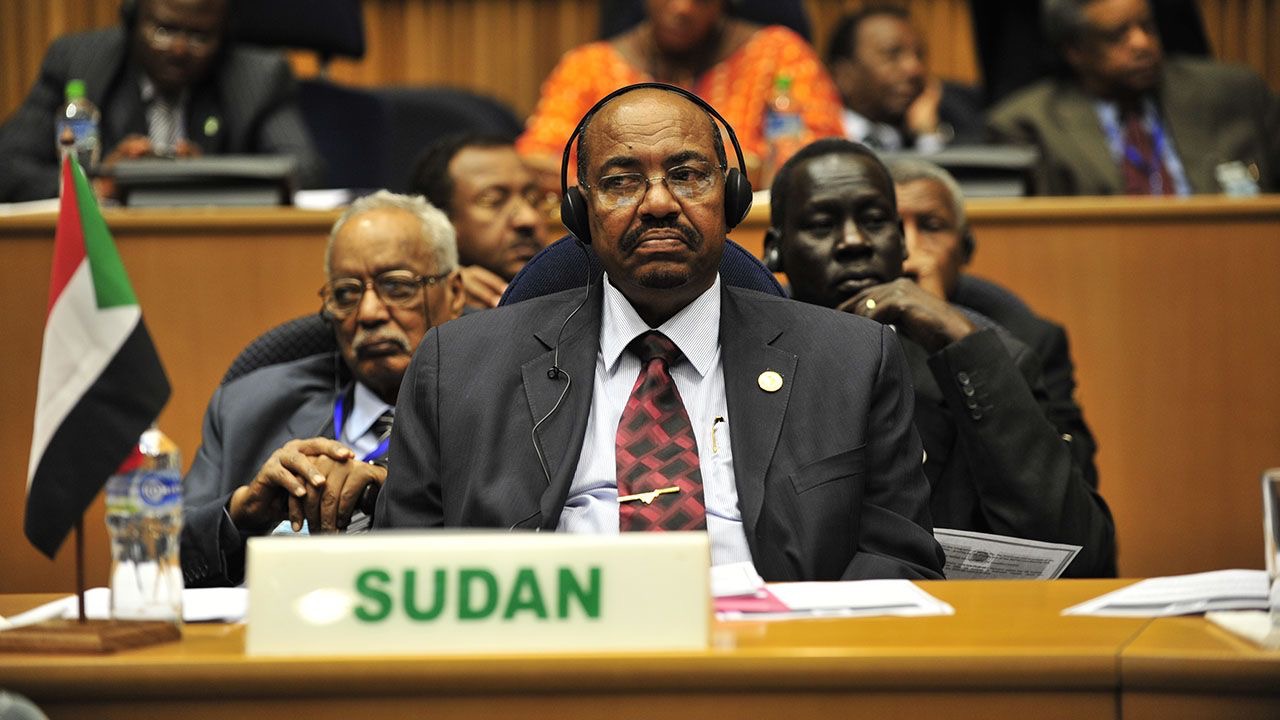
A 30-Year Rule: Wars, Isolation, and Division
Al-Bashir’s presidency was defined by protracted conflicts. The Second Sudanese Civil War (1983–2005) ended with the Comprehensive Peace Agreement, leading to South Sudan’s independence in 2011—a loss of territory and oil revenue that weakened the economy.
The Darfur conflict, erupting in 2003, brought global condemnation. Rebel groups accused the government of marginalizing the region, prompting a brutal response involving Janjaweed militias. The International Criminal Court (ICC) issued arrest warrants in 2009 and 2010 for war crimes, crimes against humanity, and genocide—charges al-Bashir denied, dismissing the ICC as a Western tool.
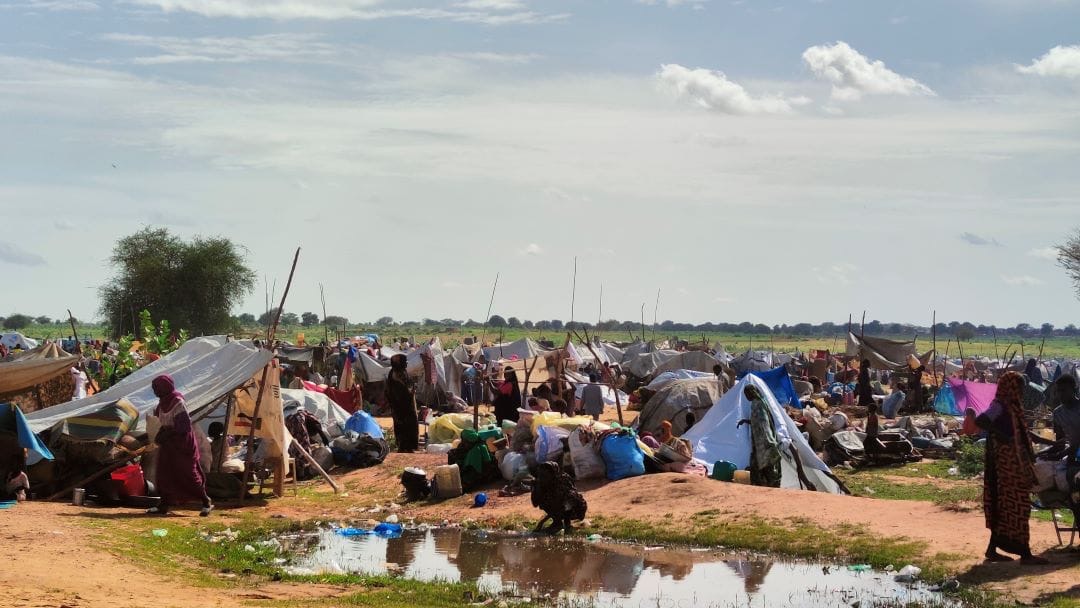
Economically, Sudan faced sanctions, inflation, and isolation, though al-Bashir forged ties with China, Russia, and Gulf states. He survived multiple assassination attempts and coup plots, often through purges and alliances.
Downfall: The 2019 Uprising
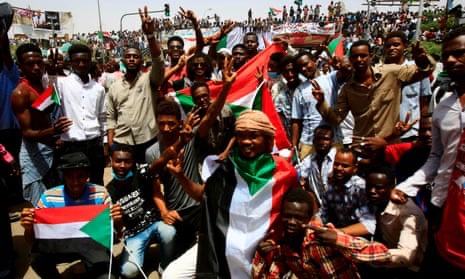
Mass protests erupted in late 2018 over economic hardships, spreading nationwide. Demands for al-Bashir’s resignation intensified, with women and youth at the forefront.
On April 11, 2019, the military ousted him in a coup, placing him under house arrest. Jubilant crowds celebrated the end of his 30-year rule, though hopes for democracy were tempered by military dominance in the transitional government.
Post-Ouster: Trials and Ongoing Conflict
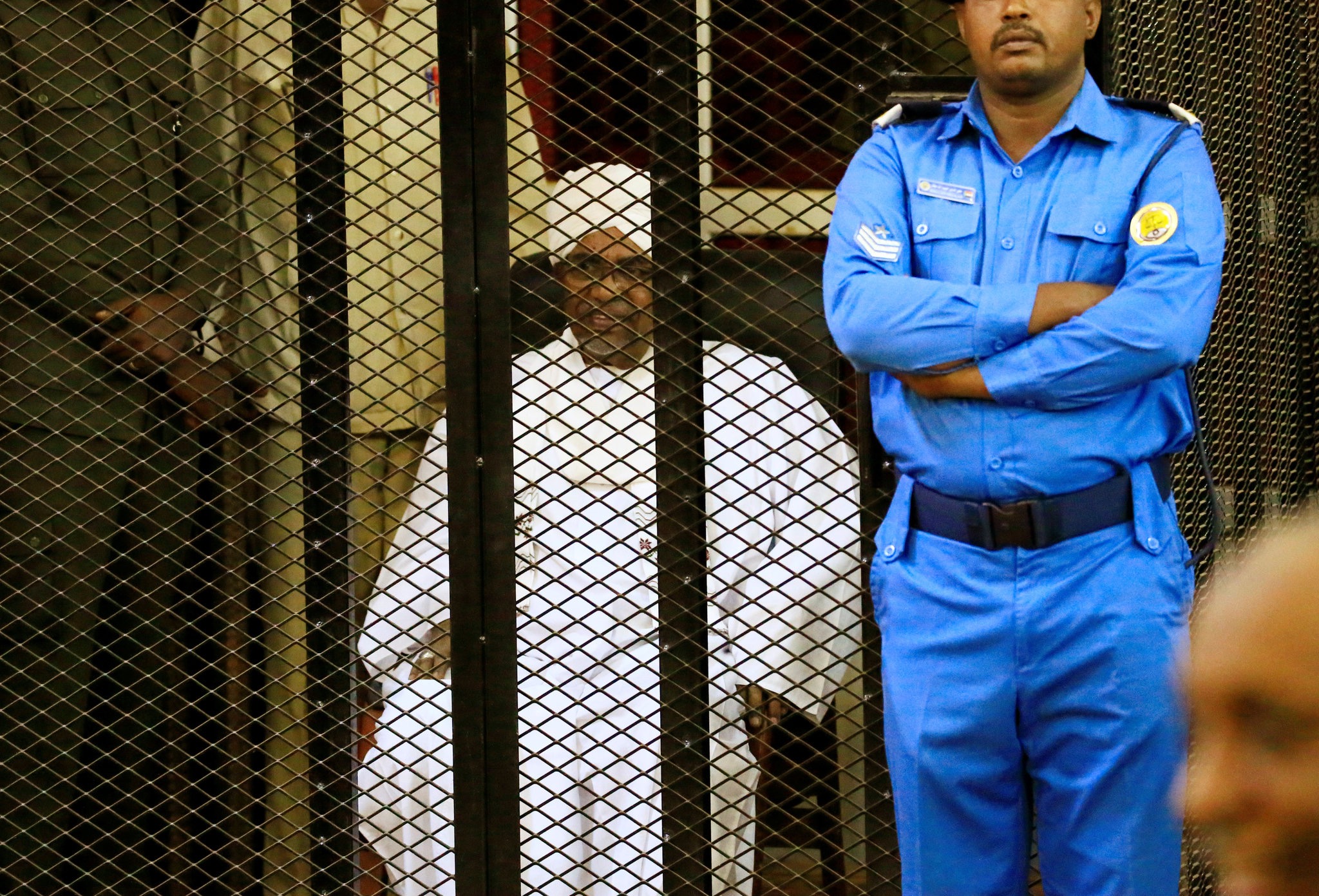
Al-Bashir was convicted of corruption in 2019 and sentenced to two years. Trials for the 1989 coup and other charges continued intermittently.
Amid the 2023 civil war between the Sudanese Armed Forces and Rapid Support Forces, al-Bashir’s location became uncertain, with reports of transfers to hospitals for health issues, including age-related complications. As of late 2025, he remains alive, reportedly receiving treatment in secure facilities away from conflict zones like Port Sudan, the current de facto capital.
Legacy: A Divided Nation
Al-Bashir’s era left Sudan fractured, with ongoing violence in Darfur and elsewhere. His rule symbolized authoritarian resilience but also the costs of repression and conflict. As Sudan grapples with war and transition, his influence lingers in institutions and divisions.
Note: Recent unconfirmed reports of al-Bashir’s death in Port Sudan have circulated but lack verification from reliable sources. He is believed to be alive and under medical care as of December 2025.
From Juba Global News Network, we continue monitoring Sudan’s evolving story.
Sources include ICC documents, UN reports, and major international media.
