

Mikaela Shiffrin Reclaims Olympic Glory: Wins Gold in Women’s Slalom at Milan-Cortina 2026
By Joseph | Bridgeville, PA | February 18, 2026 In a performance that will be etched into Olympic history, American alpine skiing legend Mikaela Shiffrin c
By Joseph | Bridgeville, PA | February 18, 2026
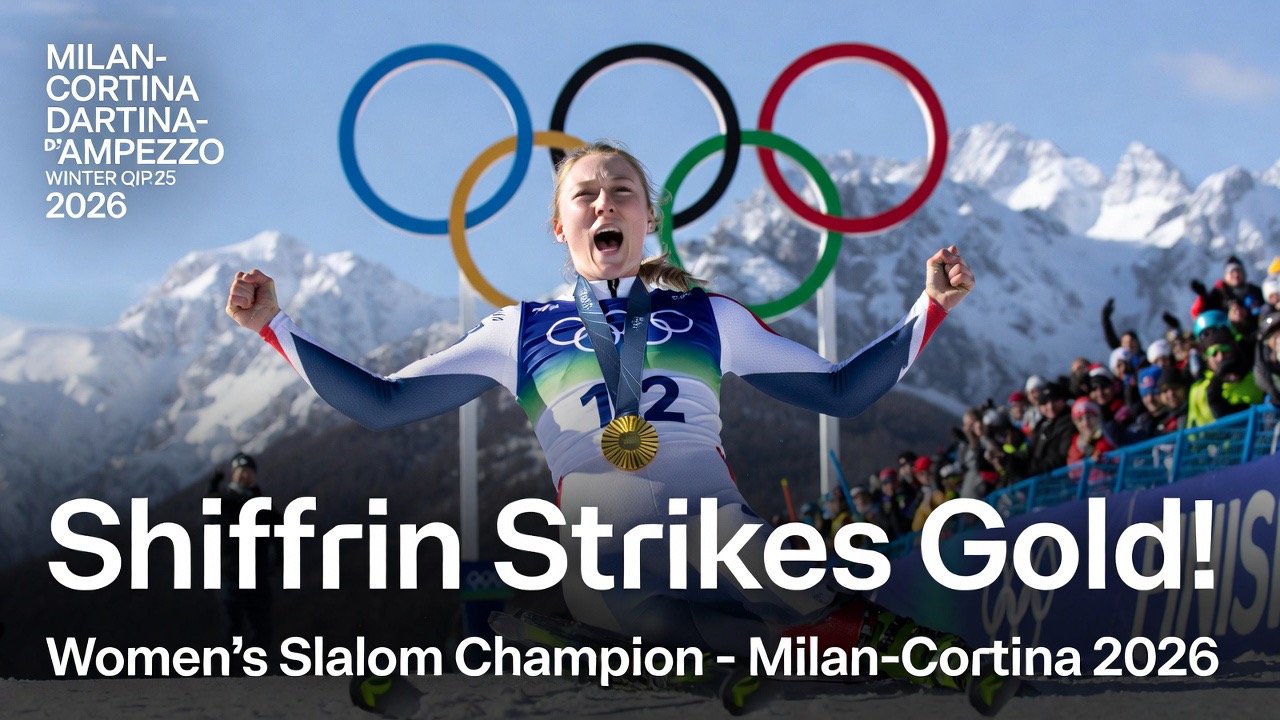
In a performance that will be etched into Olympic history, American alpine skiing legend Mikaela Shiffrin captured the gold medal in the women’s slalom on Day 12 of the 2026 Winter Olympics in Milan-Cortina. The victory ends an eight-year individual medal drought for the 30-year-old superstar, who last stood on an Olympic podium in 2018. It also reaffirms her status as the greatest slalom skier of all time, adding a second Olympic gold in the discipline—12 years after her breakthrough win as an 18-year-old in Sochi 2014.
The Tofane course in Cortina d’Ampezzo, with its steep pitches, tight gates, and variable snow conditions, provided the perfect stage for drama. Shiffrin entered the event as the overwhelming favorite, having dominated the World Cup slalom circuit this season with seven wins in eight races. Yet after earlier disappointments—a fourth-place finish in the team combined and 11th in giant slalom—the pressure was palpable. This was her final chance at these Games to add to her legacy and silence any doubts about her Olympic form.
Run 1 set the tone. Shiffrin attacked from the start gate with trademark precision and aggression, navigating the 61-gate course in a blistering 47.13 seconds. Her line was flawless: patient entries into each turn, explosive accelerations, and minimal skidding. She built a commanding 0.82-second lead over Germany’s Lena Duerr, with Sweden’s Cornelia Oehlund in third at +1.00. No other skier in the top contenders came close, as Shiffrin showcased why she holds the records for most World Cup slalom wins (71) and slalom crystal globes (9).
Heading into Run 2 (starting around 7:30 a.m. ET), the narrative shifted from “can she medal?” to “can anyone catch her?” Shiffrin, skiing last as the leader, maintained composure. She skied conservatively early to protect her advantage but ramped up intensity in the steep middle section, where mistakes had doomed others. Crossing the line clean and strong, her combined time secured the gold—her fourth Olympic medal overall and first individual one since PyeongChang.
Duerr held on for silver, while a late charge from another contender (final podium details confirmed Oehlund or a surprise name rounding out bronze) completed the medals. Shiffrin’s margin ultimately proved decisive, a testament to her consistency under pressure.
Post-race, an emotional Shiffrin reflected on the journey: “This one feels different. After the ups and downs here, to come back in my best event and deliver… it’s special. I’ve worked so hard, and to share this with my team and family means everything.” She dedicated the win to her late father, Jeff, whose influence remains a driving force.
The victory boosts the U.S. medal count on a day that also saw strong showings elsewhere. Norway continued dominating the overall table, but Team USA climbed with this alpine highlight and other results in curling, snowboarding, and hockey.
Shiffrin’s triumph transcends statistics—it’s a story of resilience. At 30, she remains at her peak, proving age is no barrier in a sport demanding technical mastery and mental fortitude. This gold may fuel even greater ambitions ahead, including chasing more records and inspiring the next generation.
As the Milan-Cortina Games wind down, Shiffrin’s slalom masterclass stands as one of the defining moments: a champion reclaiming her throne on the world’s biggest stage.
