

Meghalaya Illegal Rat-Hole Coal Mine Explosion Death Toll Climbs to 25 as Rescue Operations Continue Amid Harsh Terrain and Safety Concerns
An explosion inside an illegal rat-hole coal mine in Meghalaya’s East Jaintia Hills district has claimed at least 25 lives, with rescue teams still searchi
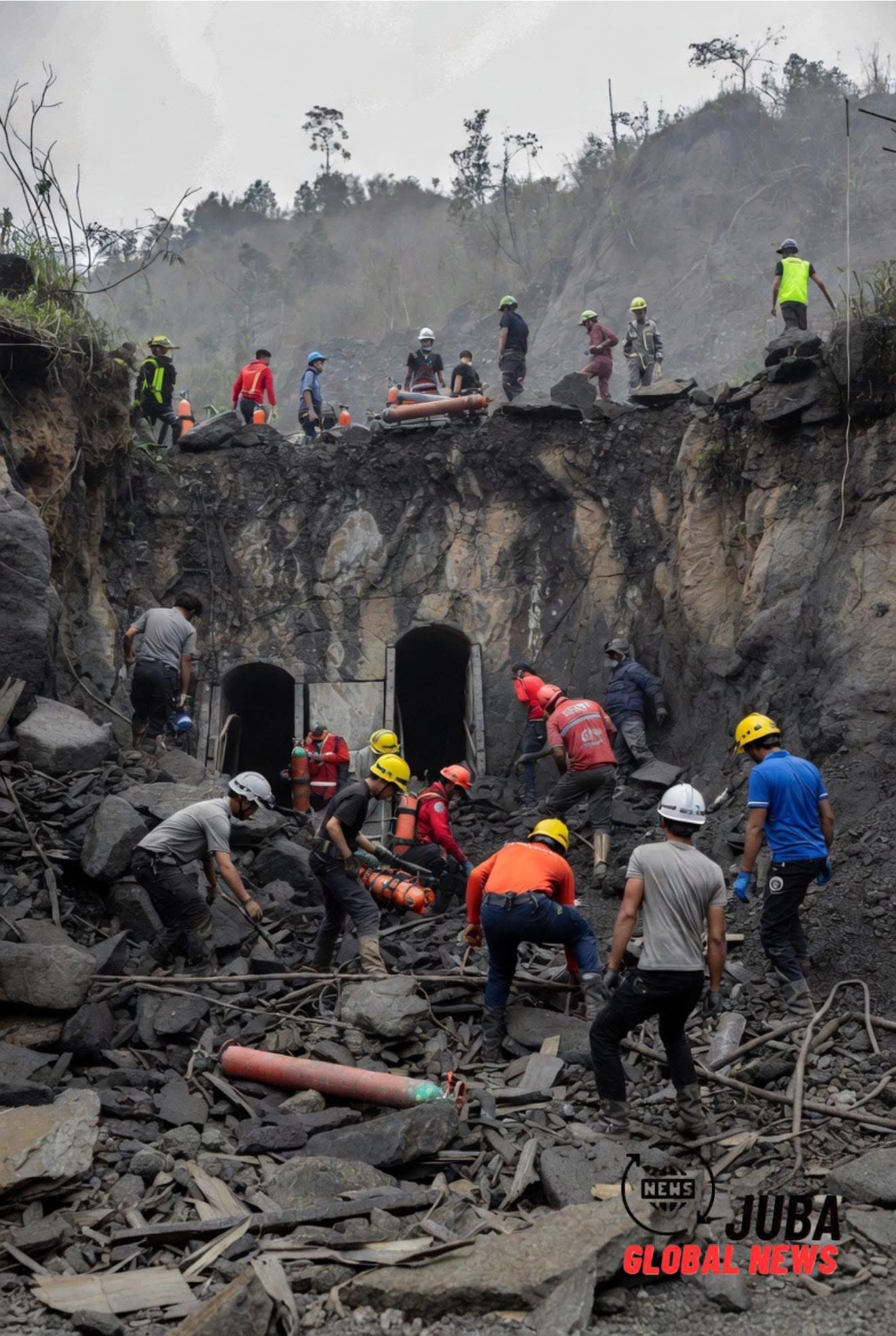
An explosion inside an illegal rat-hole coal mine in Meghalaya’s East Jaintia Hills district has claimed at least 25 lives, with rescue teams still searching for possible survivors as of February 7, 2026. The blast, which occurred late on February 5 in a remote, unregulated mine near the village of Musakhoh in Khliehriat sub-division, has once again spotlighted the deadly dangers of rat-hole mining—a banned but persistently practiced form of small-scale coal extraction in the state—and exposed deep-rooted issues of enforcement, corruption, and economic desperation.
According to Meghalaya police and district administration officials, the explosion took place around 8:30 p.m. on Thursday when miners were using explosives to loosen coal seams deep inside the narrow, horizontal tunnel. Preliminary investigations suggest methane gas accumulation, followed by a spark from improper blasting or electrical equipment, triggered the blast. The force of the explosion collapsed portions of the tunnel, trapping workers inside and blocking ventilation shafts. Initial reports from survivors who managed to escape described hearing a deafening boom, followed by choking smoke, falling debris, and total darkness.
By Saturday morning, the confirmed death toll had risen to 25 after recovery teams pulled out additional bodies overnight. At least 12 miners are still missing, though hopes of finding survivors have dimmed significantly due to the unstable tunnel structure, poor air quality, and the remote location—more than 100 km from Shillong and accessible only by rough, unpaved roads. Rescue operations involve the National Disaster Response Force (NDRF), State Disaster Response Force (SDRF), local police, and volunteer miners familiar with rat-hole systems. Teams are using manual digging, oxygen pumps, and limited heavy machinery, but progress remains slow amid continuous risks of further cave-ins.
Two individuals identified as the mine owners—both local coal traders—were arrested on Friday under sections of the Indian Penal Code for culpable homicide not amounting to murder, violation of the Meghalaya Mines and Minerals Policy, and operating an illegal mine. Authorities are questioning several contractors and middlemen suspected of facilitating the illegal operation. Police sources say the mine had been active for months despite repeated crackdowns, producing low-grade coal sold mainly to brick kilns in neighboring Assam and Bangladesh.
Rat-hole mining—characterized by narrow, horizontal tunnels (often just 3–4 feet high) dug into hillsides—has been officially banned in Meghalaya since 2014 following a National Green Tribunal (NGT) order. The tribunal cited severe environmental damage (acid mine drainage polluting rivers, deforestation, land degradation) and appalling safety conditions, including frequent flooding, gas leaks, explosions, and collapses. Despite the ban, enforcement has been inconsistent. Economic necessity, weak local governance, political patronage, and the high demand for cheap coal have allowed the practice to persist underground, often with the tacit knowledge of local authorities.
This latest tragedy is the deadliest in Meghalaya’s illegal mining sector since the 2018–2019 incident in which 15 miners drowned after a mine flooded in East Jaintia Hills. That event led to nationwide outrage, Supreme Court intervention, and promises of stricter enforcement—promises that critics say have largely gone unfulfilled. Environmental groups and rights organizations have repeatedly accused successive state governments of turning a blind eye to the mafia-like coal syndicates that control the trade.
Meghalaya Chief Minister Conrad K. Sangma expressed deep sorrow and announced ex-gratia payments of ₹5 lakh to the next of kin of each deceased miner, along with free education for children and medical support for the injured. He also directed a magisterial inquiry into the incident and reiterated the government’s commitment to eradicating illegal mining. However, opposition leaders and civil society groups have demanded a high-level probe, including possible involvement of politicians and bureaucrats, and immediate rehabilitation for families dependent on the hazardous trade.
The explosion has reignited calls for sustainable alternatives. Activists argue that the state must accelerate transition programs—offering retraining, alternative livelihoods (horticulture, tourism, small industries), and compensation packages—to break the cycle of poverty that drives men into rat-hole mines. They also urge stronger crackdowns on coal transportation routes and stricter monitoring of brick kilns and other end-users that fuel demand.
As rescue teams continue their painstaking work under floodlights and in freezing temperatures, the people of East Jaintia Hills mourn yet another preventable loss. The names and faces of the 25 confirmed dead—mostly young men in their 20s and 30s from poor tribal families—are now etched into the state’s long list of mining tragedies. Until enforcement matches rhetoric and economic alternatives become reality, Meghalaya’s hills will likely continue to claim lives in the darkness of illegal tunnels.
Our thoughts remain with the grieving families, the missing miners, and the brave rescuers risking their own safety in the search for answers and closure.
