

Kremlin Critic Poisoned: How a Rare Dart Frog Toxin Ended Alexei Navalny’s Life – The 2026 Revelations
The recent revelation that Russian opposition leader Alexei Navalny was killed by poisoning with epibatidine , a rare and deadly toxin derived from South A

The recent revelation that Russian opposition leader Alexei Navalny was killed by poisoning with epibatidine, a rare and deadly toxin derived from South American poison dart frogs, has reignited global outrage over his death and intensified scrutiny of the Kremlin. Announced on February 14, 2026—coinciding with the two-year anniversary of Navalny’s death in an Arctic penal colony—a joint statement from five European nations (the United Kingdom, Sweden, France, Germany, and the Netherlands) presented conclusive laboratory evidence pointing to this exotic neurotoxin as the cause.
This marks the most definitive Western attribution yet of Navalny’s murder to the Russian state, building on years of suspicion, a prior Novichok poisoning attempt in 2020, and Navalny’s unrelenting activism against Vladimir Putin’s regime.
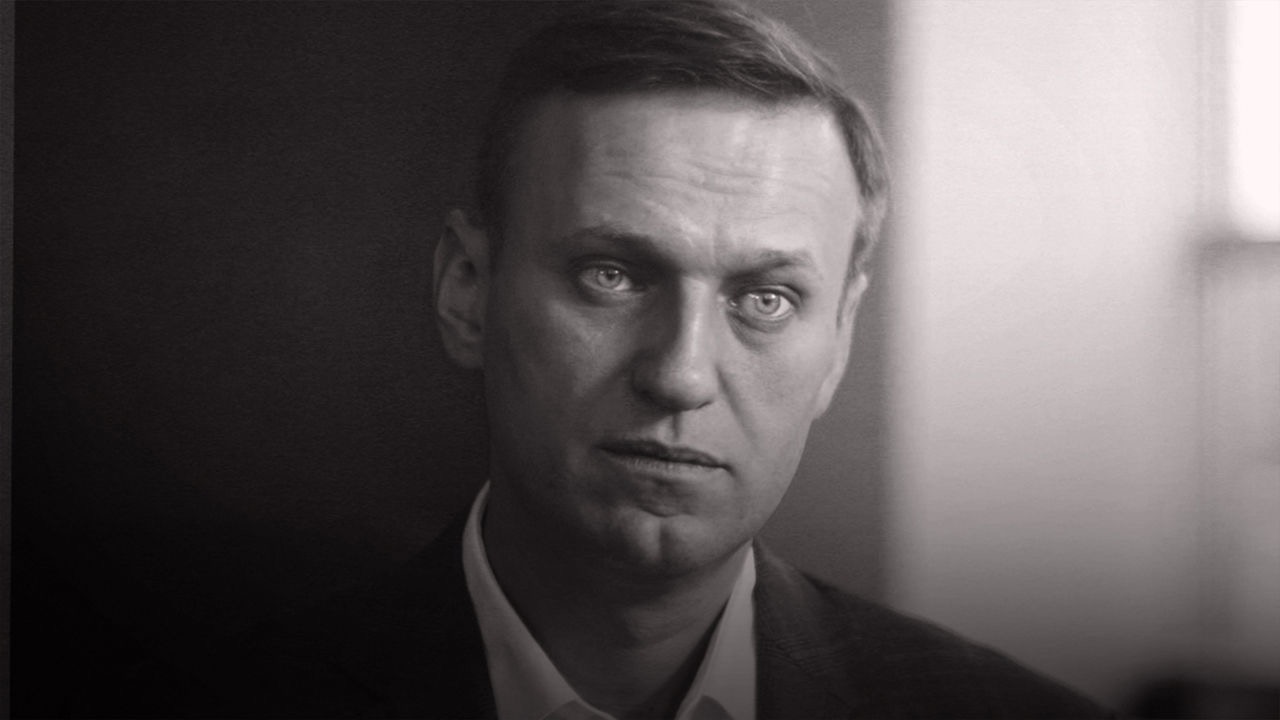
Who Was Alexei Navalny?
Alexei Navalny emerged in the 2010s as Russia’s most prominent anti-corruption crusader and one of President Vladimir Putin’s fiercest critics. Through his Anti-Corruption Foundation (FBK), he produced hard-hitting investigative videos and reports exposing alleged graft among Russia’s political and business elite. His exposés, often viral on YouTube and social media, targeted high-profile figures and revealed opulent lifestyles funded by corruption.
One of his most impactful works was the 2021 documentary “Putin’s Palace,” alleging a secret Black Sea mansion built for Putin with embezzled funds. The video amassed tens of millions of views and triggered widespread protests across Russia.
Known for his sharp wit, use of memes, and direct confrontations with power, Navalny became a symbol of democratic resistance. He survived a near-fatal Novichok poisoning in August 2020 on a domestic flight, received treatment in Germany, and boldly returned to Russia in January 2021—only to be arrested at the airport. Subsequent trials on charges widely seen as fabricated (extremism, fraud) resulted in sentences totaling over 30 years.
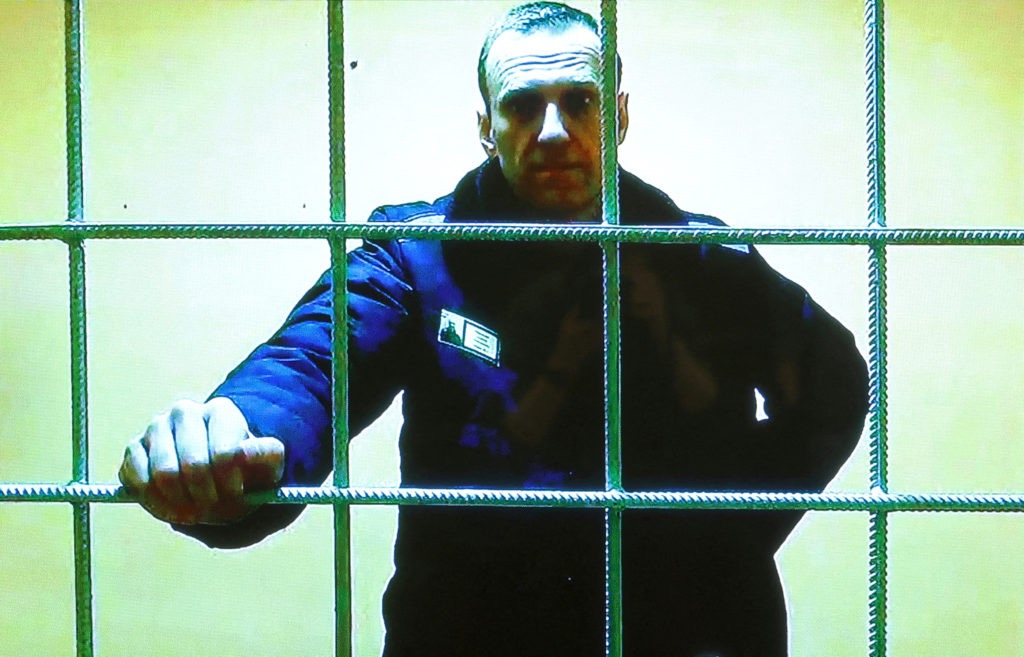
The Circumstances of His Death
Navalny died on February 16, 2024, in Penal Colony No. 3 (“Polar Wolf”) in the remote Yamalo-Nenets Autonomous Okrug, well above the Arctic Circle. Russian authorities claimed he felt unwell after a walk, collapsed, and could not be resuscitated, citing “natural causes” such as a blood clot or sudden cardiac event. No detailed autopsy was publicly released, and his body was withheld from his family for weeks under disputed circumstances.
From day one, Navalny’s widow Yulia Navalnaya, allies, and supporters rejected the official account. They cited reports of brutal prison conditions, medical neglect, sleep deprivation, and prior threats. Yulia Navalnaya and the FBK team insisted he had been poisoned again—possibly through a delayed or new method—pointing to the pattern of Kremlin actions against critics.
The 2026 Joint Findings: Epibatidine Confirmed
The breakthrough arrived in mid-February 2026 when national laboratories in the five European countries analyzed tissue samples from Navalny’s body (obtained through undisclosed channels, possibly diplomatic or independent means). Their analyses “conclusively confirmed the presence of epibatidine,” according to the joint statement from the foreign ministries.
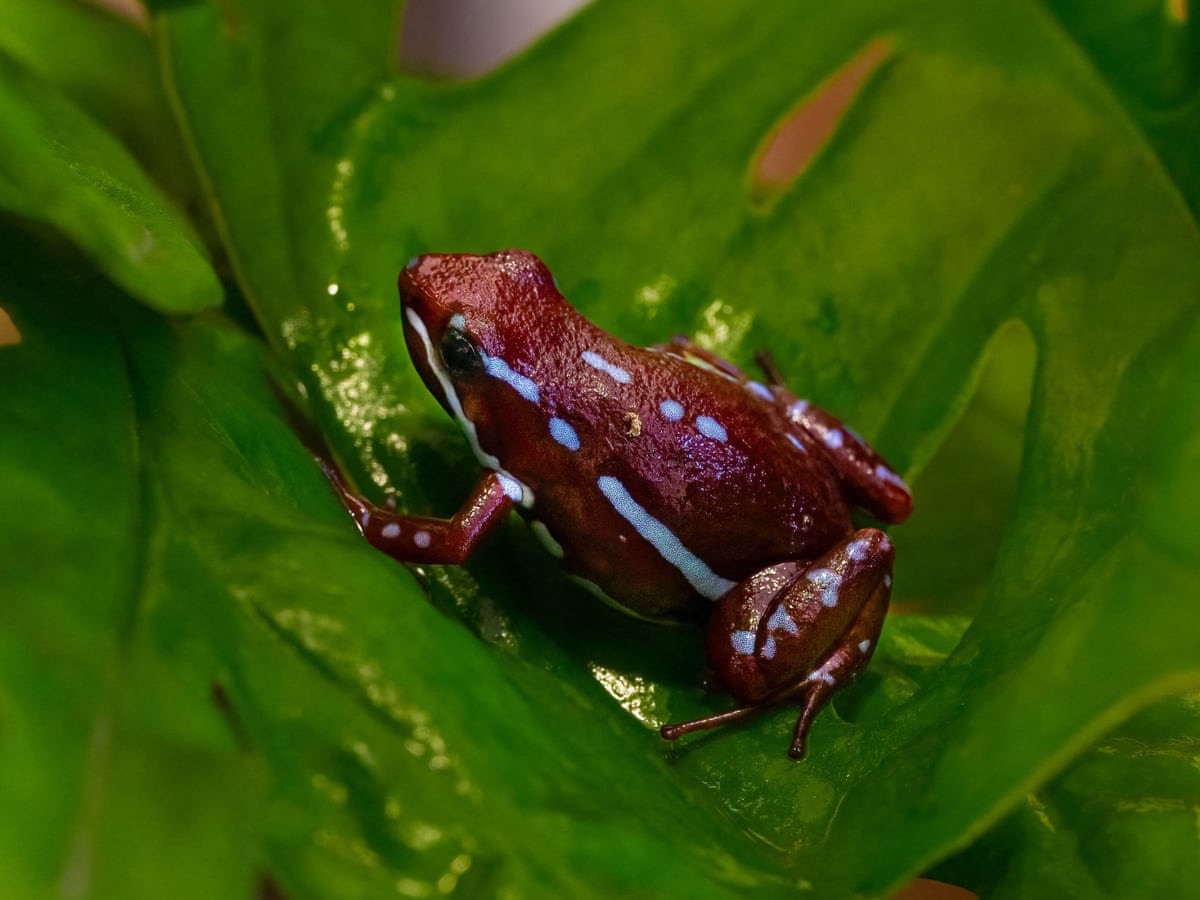
Epibatidine is a potent alkaloid neurotoxin originally isolated from the skin secretions of poison dart frogs (family Dendrobatidae), particularly species like Epipedobates anthonyi (Anthony’s poison arrow frog) native to Ecuador and other parts of South America. Indigenous peoples historically used these secretions to tip hunting darts.
The toxin is extraordinarily powerful—roughly 100–200 times more potent than morphine as an analgesic—but in lethal doses, it acts as a nicotinic acetylcholine receptor agonist. This leads to rapid onset of symptoms including muscle paralysis, respiratory failure, convulsions, seizures, slowed heart rate, and death, often within minutes to hours of exposure.
Key points from the statement:
- Epibatidine is not found naturally in Russia or Eurasia.
- While it can be synthesized in laboratories, its detection combined with Navalny’s reported symptoms made poisoning the “highly likely” cause of death.
- “Only the Russian state had the means, motive and opportunity to deploy this lethal toxin” during his imprisonment.
The five nations explicitly held Russia responsible, describing it as a violation of international norms, including prohibitions on chemical and biological weapons.
International Reactions and Russia’s Denial
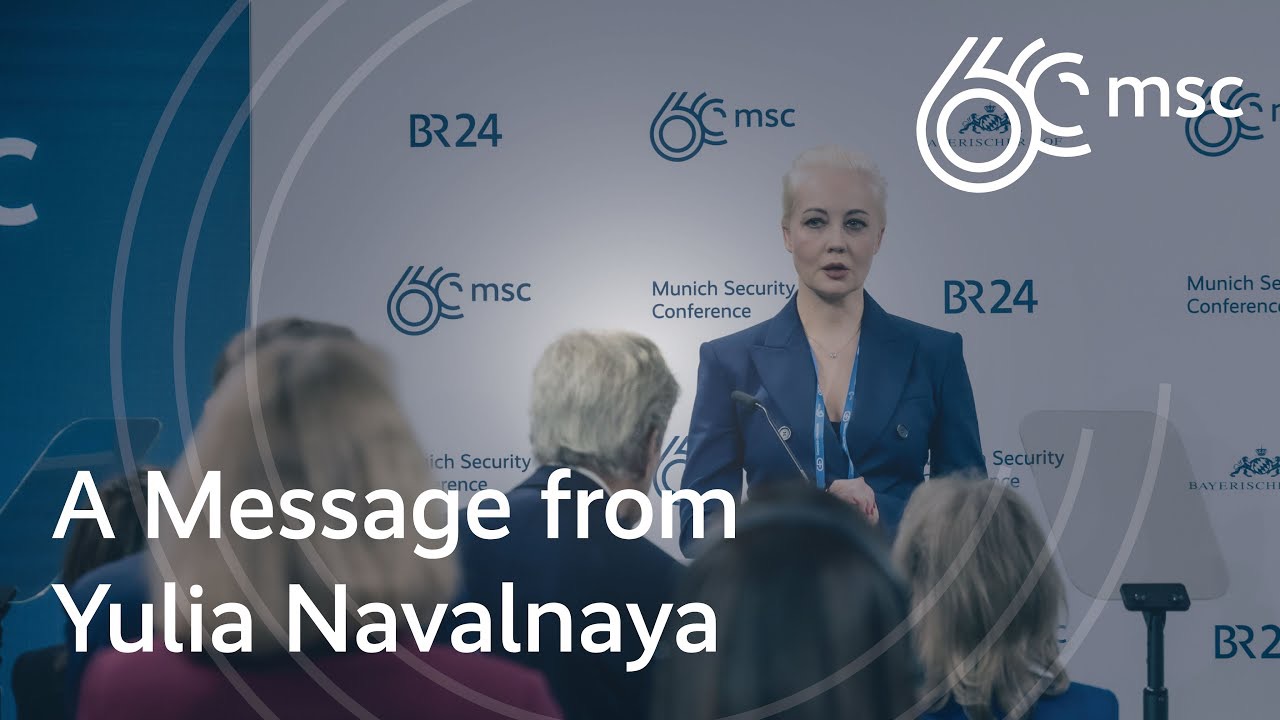
Timed with the Munich Security Conference—where Yulia Navalnaya was attending—the announcement prompted strong responses. UK Foreign Secretary Yvette Cooper called it “barbaric” and a clear breach of chemical weapons rules, signaling potential new sanctions. U.S. Secretary of State Marco Rubio termed the findings “troubling” and said Washington had “no reason to dispute” them.
Yulia Navalnaya declared she had been “certain from the first day” of poisoning and hailed the evidence as proof that “Putin killed [Alexei] with a chemical weapon.” She vowed continued pursuit of accountability.
Russia rejected the claims outright. State media and officials labeled it a “Western propaganda hoax” and “nonsense about a frog,” demanding full public release of test data (which has not occurred) and accusing the West of fabricating evidence to escalate anti-Russian measures.
Broader Implications and Historical Context
This case fits a chilling pattern of alleged state-sponsored poisonings of Kremlin critics: Alexander Litvinenko (polonium-210, 2006), Sergei and Yulia Skripal (Novichok, 2018), and Navalny’s own earlier Novichok attack. The shift to epibatidine—if confirmed—suggests adaptation: a rarer, exotic toxin potentially harder to trace or attribute, evading routine detection.
It highlights the extreme risks for dissidents in Russia and the difficulties of achieving justice. Navalny’s movement has splintered since his death, but his widow and exiled allies persist in advocacy. The findings may fuel renewed sanctions, support for Russian civil society, and diplomatic pressure amid broader geopolitical strains.
Two years after his passing, Navalny remains a powerful symbol of defiance against authoritarianism. The epibatidine revelation serves as grim proof: even obscure, frog-derived poisons can silence voices of opposition—but the ideas of freedom, transparency, and accountability they represent endure far beyond any prison walls.
