

JUST IN: Kenya Reaffirms Commitment to Regional Stability with Pledge of Technical and Institutional Support for South Sudan’s December 2026 Elections
On January 28, 2026, President William Ruto hosted a high-level diplomatic delegation from South Sudan at State House Nairobi, signaling continued Kenyan l
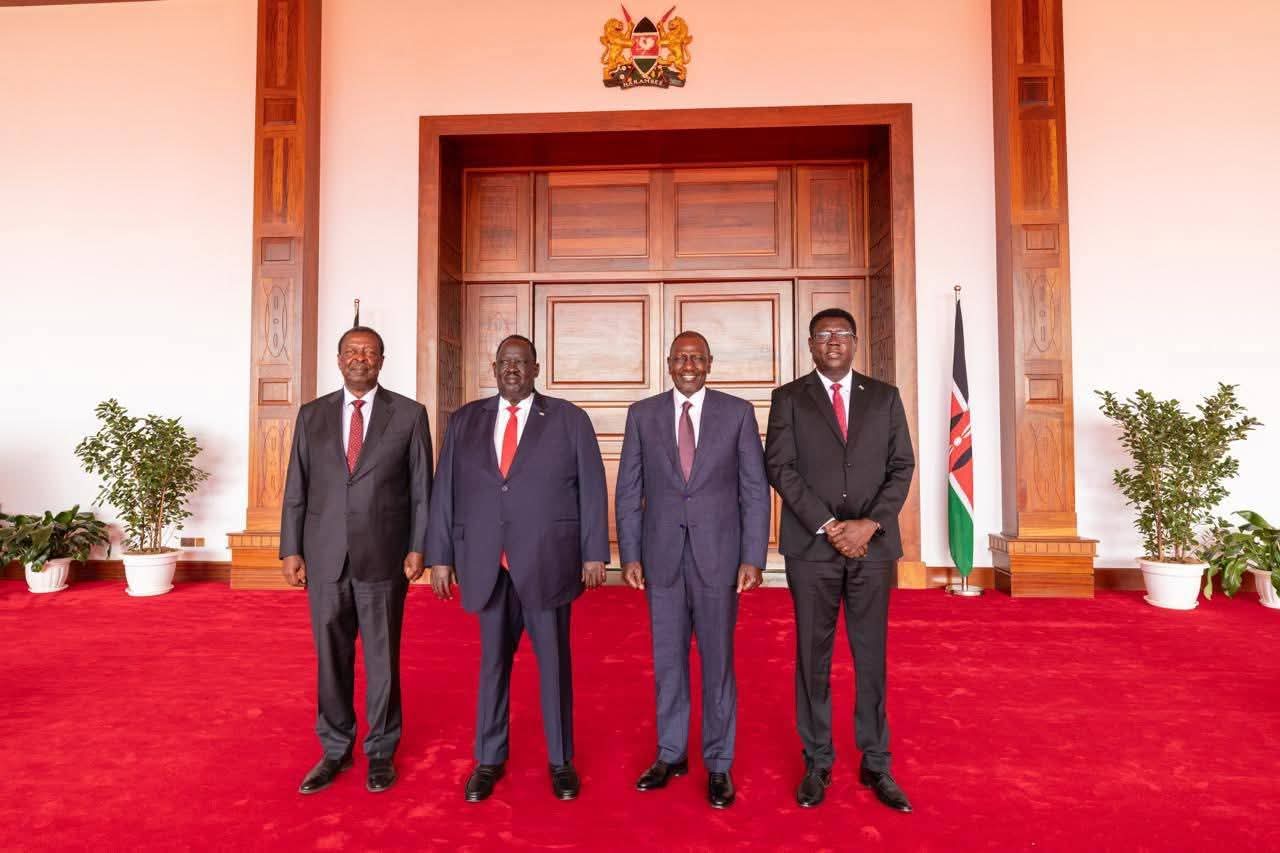
On January 28, 2026, President William Ruto hosted a high-level diplomatic delegation from South Sudan at State House Nairobi, signaling continued Kenyan leadership in promoting peace and democratic progress in the Horn of Africa. The meeting underscored Kenya’s readiness to provide technical and institutional assistance as South Sudan prepares for its long-delayed general elections, now scheduled for December 2026.
Key Participants and Diplomatic Significance
Leading the South Sudanese delegation was Presidential Special Envoy Tut Gatluak Manime, who delivered a personal message from President Salva Kiir. Accompanying him were Monday Semaya Kumba, South Sudan’s Minister of Foreign Affairs and International Cooperation, and Lazarus Sumbeiywo, the veteran Kenyan mediator who serves as Chief Mediator of the Tumaini Initiative.
The presence of these figures highlights the layered nature of the current peace and electoral process in South Sudan:
- The Revitalized Agreement on the Resolution of the Conflict in South Sudan (R-ARCSS) of 2018
- The ongoing Tumaini Initiative, which seeks to bring non-signatory opposition groups into the political fold
- The need for credible, inclusive elections to mark the end of the extended transitional period
South Sudan’s Electoral Timeline and Challenges
South Sudan has not held nationwide elections since gaining independence in 2011. The transitional roadmap established under the 2018 peace agreement has faced repeated delays due to:
- Incomplete unification of armed forces
- Lack of a permanent constitution
- Absence of a credible national census
- Insufficient voter registration infrastructure
- Persistent funding shortages
- Recurrent flooding and humanitarian crises
- Political mistrust among key actors
In September 2024, the transitional government formally postponed elections from December 2024 to December 22, 2026, extending the transition until February 2027. While the decision drew criticism from civil society, opposition figures, and international partners who fear further entrenchment of the current leadership, it has also been defended as necessary to create conditions for credible polls.
The December 2026 date is widely viewed as the last realistic window to avoid indefinite postponement and potential collapse of the peace process.
Kenya’s Role: From Mediator to Technical Partner
Kenya has played a central role in South Sudan’s peace efforts for over two decades. Notable milestones include:
- Facilitating the 2005 Comprehensive Peace Agreement between Sudan and South Sudan
- Hosting multiple rounds of talks during the 2013–2018 civil war
- Launching and sustaining the Tumaini Initiative since May 2024
Under President Ruto, Kenya has deepened its engagement by:
- Providing a neutral venue for dialogue between the government and holdout opposition groups
- Appointing General (Rtd.) Lazarus Sumbeiywo — one of Africa’s most experienced mediators — to lead the Tumaini process
- Offering consistent diplomatic pressure for implementation of the R-ARCSS and inclusion of non-signatories
- Now pledging concrete technical and institutional support for the electoral process
This latest commitment likely includes assistance in areas such as:
- Electoral administration training
- Voter education programs
- Support for voter register development and verification
- Logistical planning for polling in remote and insecure areas
- Capacity-building for South Sudan’s National Elections Commission
- Sharing lessons from Kenya’s own electoral management experience
Why This Matters Regionally
South Sudan’s stability has direct implications for Kenya and the wider East African region:
- Refugee flows — Kenya currently hosts tens of thousands of South Sudanese refugees
- Border security — Inter-communal conflicts and cattle raiding frequently spill across the shared border
- Trade and infrastructure — Reliable peace in South Sudan would boost regional commerce and open new transport corridors
- Counter-terrorism — Instability creates space for extremist groups to operate
By investing in South Sudan’s electoral process, Kenya reinforces its strategic interest in preventing a return to large-scale conflict.
Looking Ahead to December 2026
The State House meeting on January 28, 2026, is best understood as both a diplomatic courtesy and a practical step forward. The message from President Kiir, delivered by Envoy Tut Gatluak Manime, signals continued buy-in from Juba for the Kenyan-mediated process. Meanwhile, the involvement of Foreign Minister Monday Semaya Kumba ensures alignment between the political leadership and the diplomatic track.
For the elections to succeed, several milestones must still be achieved in the coming months:
- Finalization of a permanent constitution
- Completion of the unified national army
- Successful conclusion of Tumaini talks with holdout groups
- Execution of a credible census and voter registration exercise
- Adequate funding and international support for electoral logistics
Kenya’s pledge of technical support is a down payment on helping South Sudan clear these hurdles. Whether the December 2026 date will finally deliver the country’s first post-independence elections remains uncertain — but today’s meeting demonstrates that Kenya is willing to remain actively engaged until that goal is reached.
Credit: State House Nairobi
This development reaffirms Kenya’s position as one of the most consistent and invested regional actors working to bring lasting peace and democratic governance to South Sudan.
