

Japan Bids Emotional Farewell to Its Last Giant Pandas: The End of an Era in Panda Diplomacy
By: Juba Global News Network | JubaGlobal.com Published: January 26, 2026 In a moment that blended cuteness with geopolitics, Japan said goodbye this week
By: Juba Global News Network | JubaGlobal.com
Published: January 26, 2026
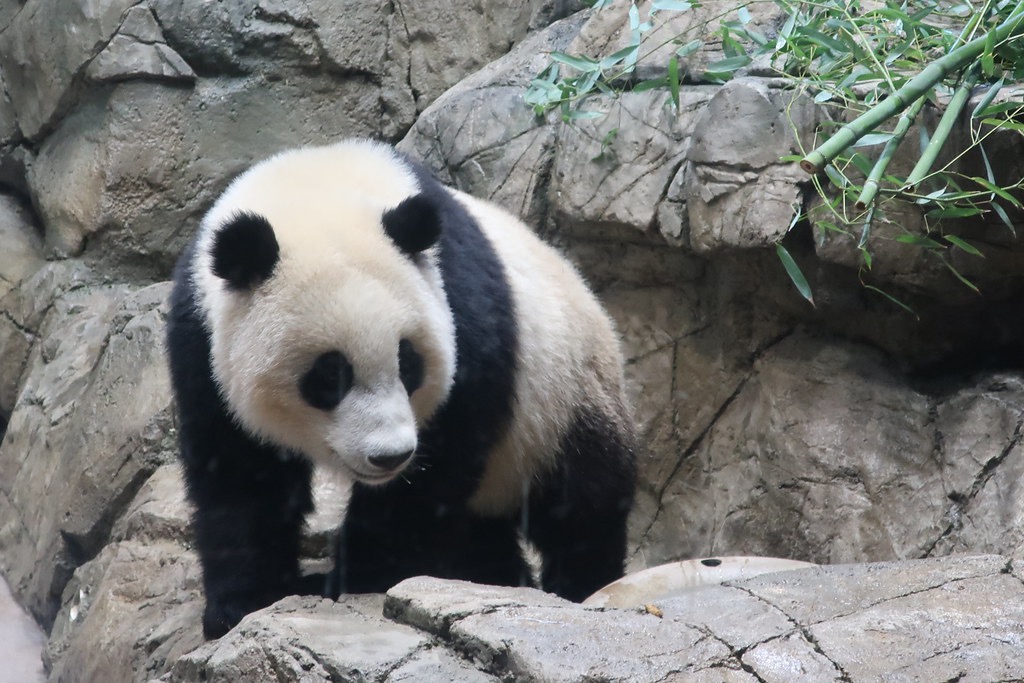
In a moment that blended cuteness with geopolitics, Japan said goodbye this week to its final two giant pandas, marking the first time the country has been without these beloved black-and-white ambassadors since 1972. The departure of four-year-old twins Xiao Xiao and Lei Lei from Tokyo’s iconic Ueno Zoo has sparked tearful scenes among fans, zoo staff, and visitors alike, while underscoring the deepening chill in relations between Tokyo and Beijing.
The twins, born in June 2021 to parents Shin Shin and Ri Ri at Ueno Zoo, were the last remaining pandas on Japanese soil. Their parents had already been returned to China in previous years—Ri Ri in 2023 and Shin Shin in 2024—following standard agreements under China’s strict panda loan policies. China retains full ownership of all giant pandas worldwide, leasing them to zoos abroad for conservation fees that support breeding programs back home. The loans are typically 10 years, with any cubs born overseas returned to China around age 2–4.
Over the weekend leading up to their departure on Tuesday, January 27, 2026, thousands flocked to Ueno Zoo for one last glimpse. Long lines formed as families, children clutching panda plush toys, and elderly admirers posed for photos and waved signs saying “Thank you, Xiao Xiao & Lei Lei” and “We’ll miss you forever.” Zoo officials reported record crowds, with many visitors visibly emotional—some wiping tears as the playful twins munched bamboo, rolled around, or climbed trees in their enclosure.
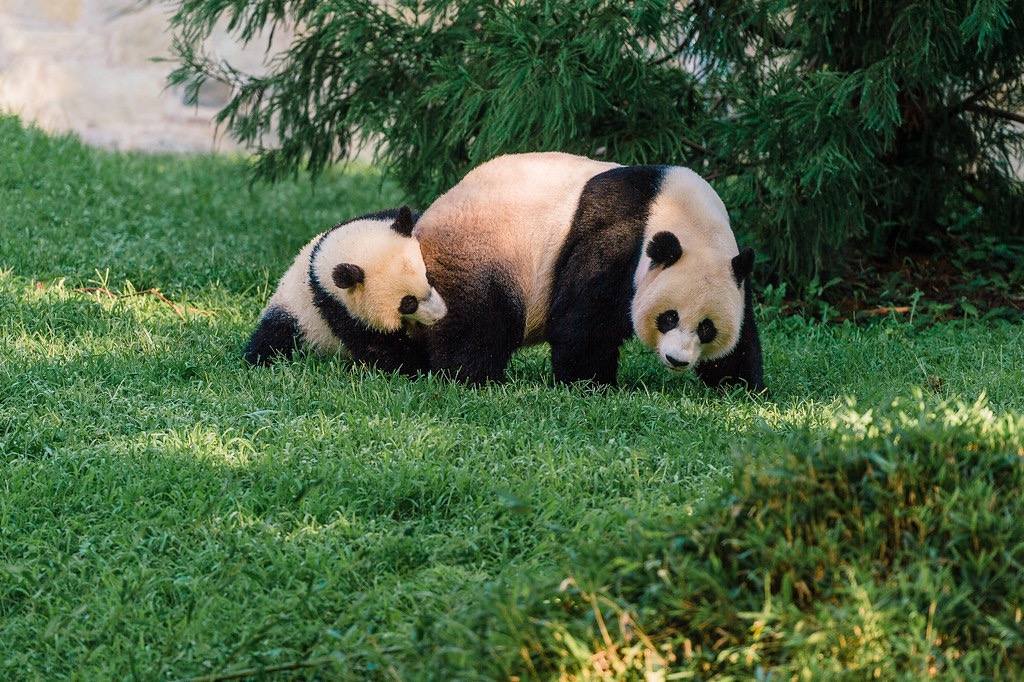
Xiao Xiao (male) and Lei Lei (female) had become national celebrities in Japan since their birth. Their playful antics, captured in viral videos and daily live streams, brought joy during tough times, including the lingering effects of the COVID-19 pandemic and economic pressures. “They were like family,” one regular visitor told reporters. “Seeing them every weekend was a highlight. Now Japan feels a little emptier.”
The pandas’ return is not just a logistical move—it’s steeped in symbolism. Panda diplomacy, a term coined for China’s strategic use of giant pandas as soft-power tools, began in earnest after the normalization of Sino-Japanese relations in 1972. That year, China gifted Japan a pair named Kang Kang and Lan Lan (later replaced by Ling Ling and Hsing-Hsing in exchanges with the U.S.). For decades, the presence of pandas in Japanese zoos served as a quiet barometer of bilateral warmth.
But ties have soured significantly in recent years. Territorial disputes over the Senkaku/Diaoyu Islands in the East China Sea, Japan’s alignment with U.S. security policies in the Indo-Pacific, historical grievances from World War II, and economic competition have all contributed to friction. Beijing has shown reluctance to renew or expand panda loans amid these tensions. Japanese officials, including Tokyo Governor Yuriko Koike, had requested new pandas or extensions, but Chinese authorities indicated no immediate plans.
Experts note that this isn’t the first time panda diplomacy has reflected politics. During periods of thaw, such as the early 2000s, more pandas were loaned out. In strained times, loans dry up or animals are recalled. Japan’s situation mirrors experiences in other countries; for instance, several U.S. zoos have seen their pandas returned in recent years without immediate replacements.
Conservationists emphasize that the moves benefit the species. China’s breeding programs, centered in facilities like the Wolong National Nature Reserve, have been hugely successful. The giant panda was downgraded from “endangered” to “vulnerable” by the IUCN in 2016, thanks to habitat protection and captive breeding. All pandas abroad contribute genetically to this effort, with cubs like Xiao Xiao and Lei Lei reintegrating into China’s populations to boost diversity.

Upon arrival in China, the twins will undergo quarantine and acclimation before joining a conservation center—likely in Sichuan Province, home to the majority of the world’s giant pandas. There, they may participate in breeding programs or public education initiatives.
For Japan, the absence of pandas is poignant. Ueno Zoo, which has housed pandas since 1972, plans to repurpose the enclosure for other animals or educational exhibits on conservation. Some hope the void might one day be filled if relations improve, but for now, the era appears closed.
As one zoo official poignantly said, “Pandas brought people together—across generations, cultures, and even borders. Their departure reminds us how fragile those connections can be.”
In a world of escalating great-power rivalries, the quiet exit of two cuddly bears highlights a larger truth: even the softest diplomacy can harden when politics intervene.
Juba Global News Network will continue to monitor developments in East Asian relations and global wildlife conservation. Stay tuned for updates.
Sources: BBC, CNN, AP News, The Guardian, Reuters, and official statements from Ueno Zoo and relevant authorities.
