

Israel on High Alert Amid Fears of U.S. Intervention in Iran’s Escalating Protests
As of January 11, 2026, Israel has been placed on high alert in anticipation of potential U.S. military intervention in Iran, where massive anti-government

As of January 11, 2026, Israel has been placed on high alert in anticipation of potential U.S. military intervention in Iran, where massive anti-government protests have gripped the nation for nearly three weeks. According to multiple Israeli security sources speaking to Reuters and other outlets, the Jewish state is closely monitoring developments, preparing for any fallout from American involvement in the biggest challenge to the Islamic Republic’s regime in recent memory.
This heightened state of readiness follows President Donald Trump’s repeated warnings to Tehran against violently suppressing peaceful demonstrators, with statements like the U.S. being “locked and loaded” and “ready to help” Iranians achieve freedom. The protests, sparked by economic collapse and evolving into calls for regime change, have seen hundreds killed, thousands arrested, and a prolonged nationwide internet blackout.
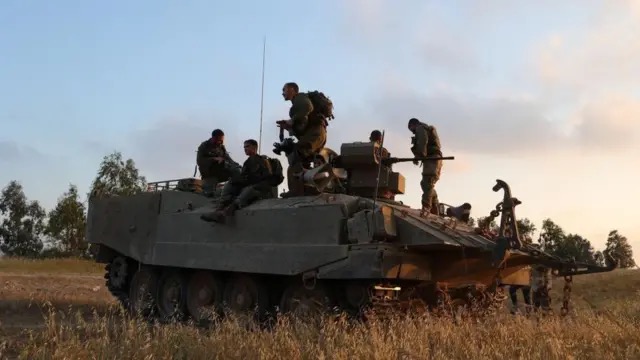
Here are images illustrating Israel’s military posture and regional tensions:
Diplomatic Coordination and High-Level Discussions
A key trigger for Israel’s alert status was a Saturday phone call between Prime Minister Benjamin Netanyahu and U.S. Secretary of State Marco Rubio. Sources confirm the discussion covered the possibility of U.S. intervention in Iran, alongside related issues in Syria and Gaza peace efforts. While U.S. officials confirmed the call occurred without detailing topics, Israeli insiders emphasized the focus on potential American action amid the protests.
Israel has not signaled any intent to intervene directly in Iran’s internal unrest. Tensions between the two arch-rivals remain extremely high, fueled by concerns over Iran’s nuclear program, ballistic missiles, and proxy activities—exacerbated by the 12-day Israel-Iran war in June 2025, during which the U.S. joined Israeli strikes.
Prime Minister Netanyahu, in a recent Economist interview, alluded to the protests while warning of “horrible consequences” for Iran if it attacks Israel, stating: “Everything else, I think we should see what is happening inside Iran.”
Iranian Threats and Escalation Risks
Iranian officials have responded aggressively to the prospect of foreign involvement. Parliament Speaker Mohammad Bagher Ghalibaf warned that any U.S. strike would make American forces—and now explicitly Israel—”legitimate targets.” The regime’s Defense Council has threatened unspecified “preemptive measures” against U.S. or Israeli exploitation of the protests, aiming to deter intervention.
Supreme Leader Ayatollah Ali Khamenei has labeled protesters as foreign-backed “vandals” and accused the U.S. and Israel of interference. The IRGC has declared regime security a “red line,” while arrests of alleged spies (including one purportedly for Israel) underscore Tehran’s paranoia.
These threats come against the backdrop of recent hostilities: Iran’s missile barrages on Israel in prior conflicts, and Israel’s demonstrated air superiority over Iranian defenses.
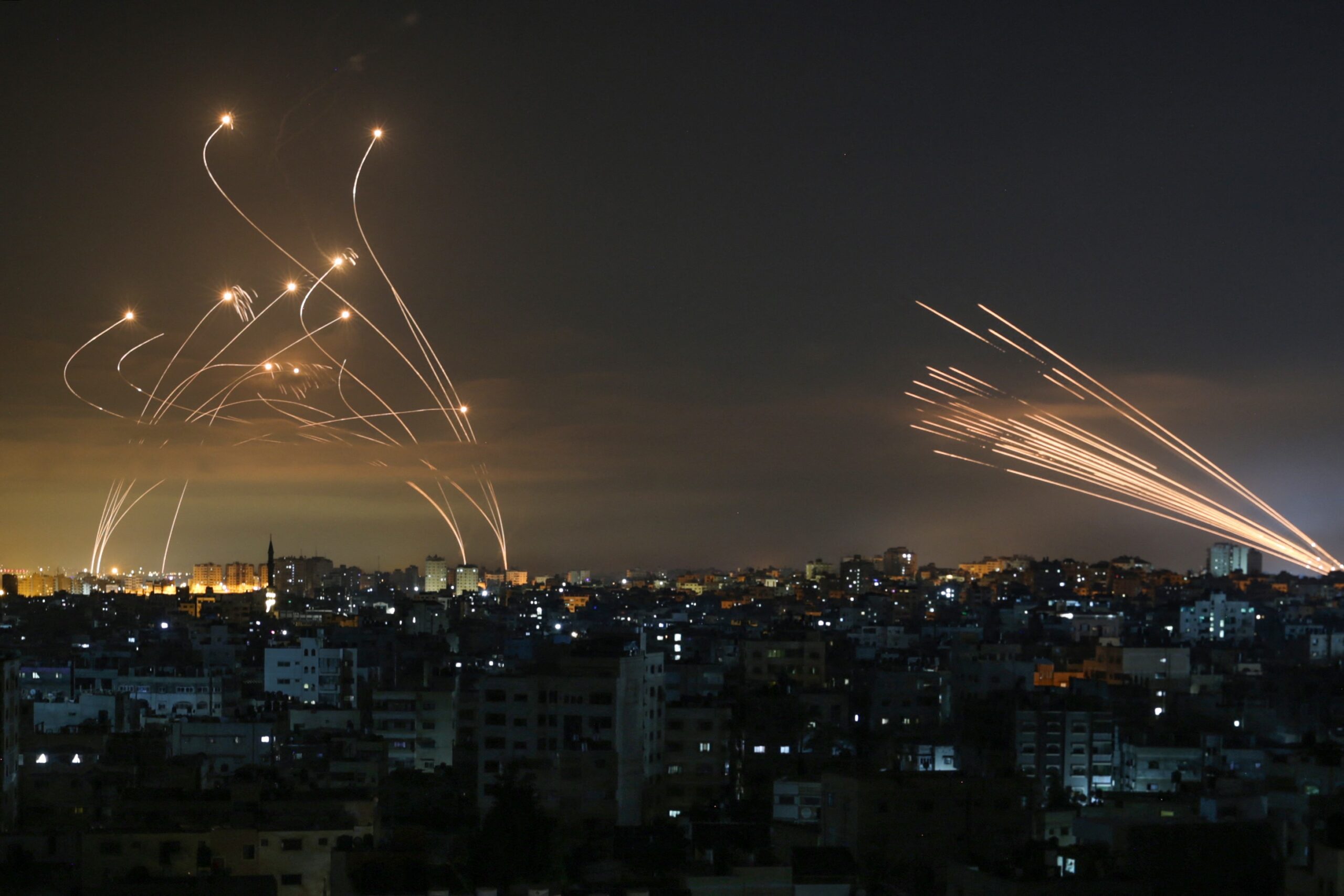
Here are visuals of Israel’s advanced defense systems, like the Iron Dome, central to any alert posture:
Broader Geopolitical Context
Israel’s high alert reflects strategic caution rather than aggression. Analysts note Jerusalem’s desire to avoid actions that could discredit Iranian protesters as “Zionist puppets.” At the same time, the regime’s vulnerability—economic woes, post-war damage, and defiant crowds—presents opportunities and risks.
The Trump administration’s recent actions, including strikes on ISIS in Syria and the capture of Venezuela’s Nicolás Maduro (a Tehran ally), have emboldened hardline rhetoric. Yet Israel prioritizes preventing Iran from rebuilding nuclear or missile capabilities, with Netanyahu vowing no restoration of Tehran’s ballistic programs.
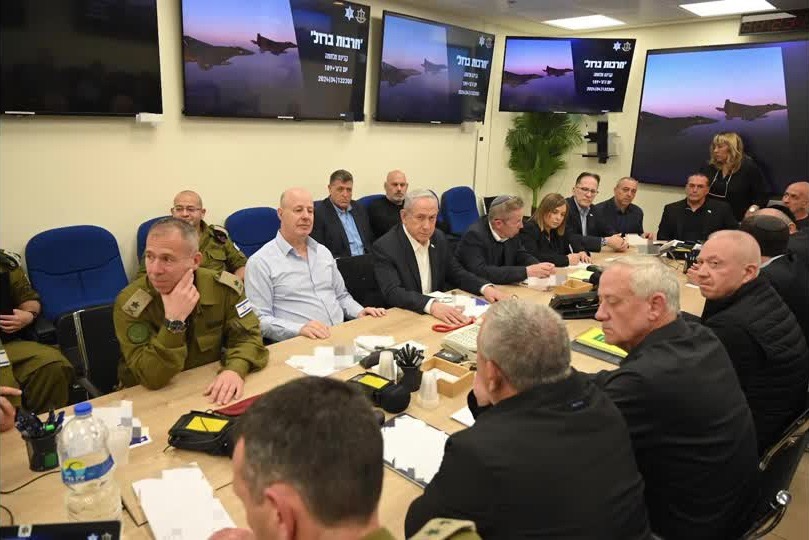
Scenes from high-level Israeli military and political discussions:
Outlook: A Tense Crossroads
As protests persist despite brutal suppression, Israel’s state of high alert underscores the fragile regional balance. Any U.S. move could trigger Iranian retaliation targeting Israel directly, risking wider escalation. For now, Jerusalem watches closely, coordinates with Washington, and prepares defensively—while the Iranian people continue their courageous stand against the regime.
The situation remains highly fluid in this volatile start to 2026. Developments could shift rapidly, with profound implications for the Middle East and beyond. Stay tuned for updates as events unfold.
